Flowers require a diverse range of factors to grow, maintain their physiological capabilities, and reproduce. Of these elements, carbon, hydrogen, and oxygen are absorbed from the air and from water. Others, such as chloride and nickel, are required in trace amounts, which are typically present in the soil. All of the rest need to be added through fertilization.
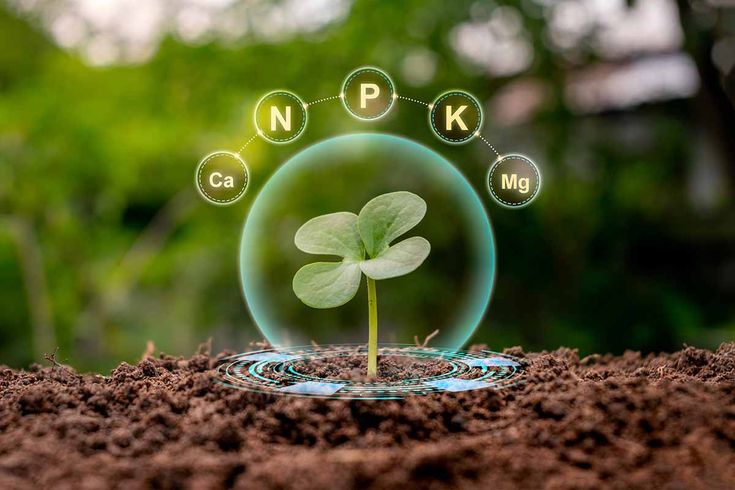
Plant nutrients are labeled into three main categories according to the relative quantities required. Flora are specific organisms that could absorb nutrients and water through their root system, as well as carbon dioxide from the environment. Soil quality and climate are the primary factors determining plant distribution and growth. The combination of soil nutrients, water, and carbon dioxide, along with sunlight, allows plants to grow.
What is Plant Nutrition?
Plant vitamins refer to the chemical elements that are required for plant growth and reproduction. Most plant life requires at least 16 essential elements. Those which are used in larger quantities (Carbon, Hydrogen, Oxygen, Nitrogen, Phosphorus, Potassium, Calcium, Magnesium, and Sulfur) are called macronutrients; Boron, Molybdenum, Chlorine, Nickel, and Cobalt are marginal elements named micronutrients. Both macro- and micro-nutrients are important to plant growth, with the prefixes referring to quantity required rather than importance.
Macronutrients:
The primary macronutrients are Nitrogen (N), Phosphorus (P), and Potassium (K), and you may be familiar with the terms N-P-K on the fertilizer packaging. Phosphorus is vital for the growth of flowers and fruit in general.
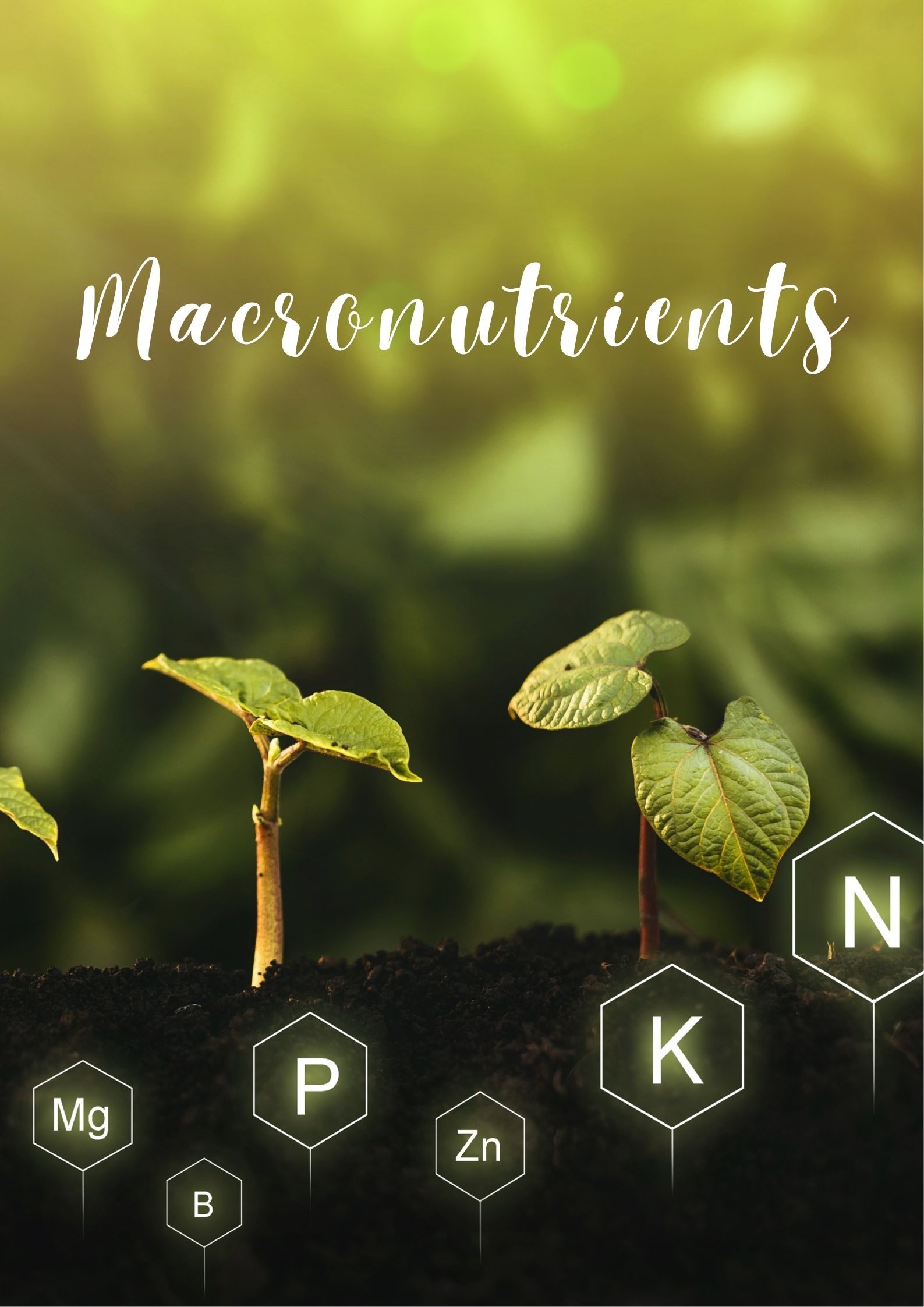
Phosphorus also facilitates healthy root development and enhances flower and fruit formation. If you find your soil to be deficient in this nutrient, bone meal is a great soil amendment that is guaranteed to give your summer fruiting plants and root vegetables a boost.
Types of Macronutrients:
Primary Macronutrients:
Nitrogen:
Nitrogen is the single nutrient that most often limits the growth of plants. The amount of nitrogen required differs for different plants. For example, tomatoes and vine crops (cucumbers, squash, and melons) develop excessive vine at the expense of fruiting with excess nitrogen. Potatoes, corn, and cole crops (cabbage, broccoli, and cauliflower) are heavy feeders and thrive with high soil nitrogen levels. Bluegrass turfs and many annual plants also have a positive response to routine nitrogen applications.
Potassium (K):
Functions: Potassium is required in the plant for the formation of sugars and starch. It takes part in synthesizing proteins and also in dividing cells. As an essential component of the cell wall, potassium increases rigidity and hardness in the plant. Potassium is also responsible for the opening and closing of stomata, thus necessary for the adjustment of water balance in the plant. Potassium also enhances flavor and color in fruit and vegetable crops, increases the oil content of fruits, and is important for leafy crops.
Secondary nutrients:
Calcium (Ca):
Calcium plays a vital role as a structural element of the cell wall. It is essential for cell proliferation and cell division. Moreover, calcium regulates water transport in cells. In some plants, it is an essential element for nitrogen absorption. Overall, calcium is a “quality nutrient” that improves the quality of crops and extends shelf life.
Characteristics of deficiency: localized tissue necrosis resulting in plant growth inhibition, scorched tips of leaves and roots. Blossom end rot (BER) is a widespread physiological disease of tomatoes and peppers caused by calcium deficiency.
Magnesium:
It plays a crucial role in the activation of enzymes in respiration and photosynthesis and aids in the production of DNA and RNA. Magnesium is an important component of ribosomes and maintains their structure.
Sulfur: It is an essential component of amino acids, coenzymes, and vitamins.
Micronutrients:
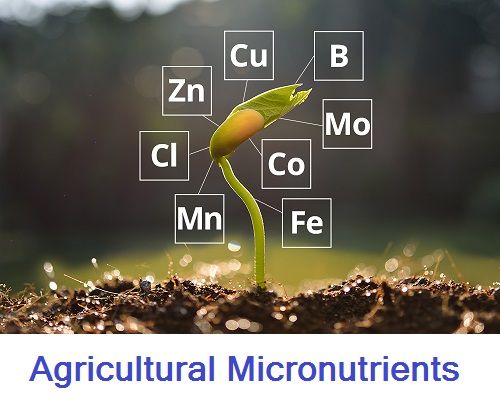
Boron:
Boron is needed in cell wall formation, membrane integrity, and the uptake of calcium. It also helps in the translocation of sugars, and it affects myriad functions of the plants like flowering, germination of pollen grains, fruiting, cell division, water relationships, and transport of hormones.
Molybdenum: Is involved in many enzymes and closely linked with nitrogen metabolism as it important component of nitrate-reductase and nitrogenase enzymes. Molybdenum deficiency symptoms are pale green leaves and rolled or cupped leaf margins” (NPK macronutrients, n.d.).
Manganese: Enzymes, which are involved in photosynthesis, respiration, etc, are catalyzed by this. It aids the splitting of water during photosynthesis.
Zinc:
Not only are the zinc concentrate levels naturally low, but those within soils with a high pH factor and that contain calcium carbonates are particularly low. Sweet corn, beans, and potatoes are the most popular zinc-deficient vegetables. Stunting of the whole vegetation due to shortening of internodes (stem length between leaves) is experienced. Bean leaves have a crinkly appearance and can either turn yellow or brown.
Zinc deficiency symptoms in young corn involve a broad band of white-to-translucent tissue on both sides of the leaf midrib, starting near the base of the leaf and failing to extend to the tip.
Iron:
Most of the iron in soil is in the form of stable mineral compounds. At high pH, iron oxides (rusts) resist entry into the soil water solution. Only at lower pH can iron be reduced to a form that is absorbable by plants. The solubility of iron goes down by a thousand times for every increase in pH value. Many soils in Colorado have high pH levels, and some plants grown in such soils are susceptible to iron chlorosis.
Iron chlorosis is the yellowing of leaves due to an iron deficiency in the leaf tissues. Interveinal chlorosis, or the primary symptoms is yellowing of leaves with their veins intact. Iron, which is incorporated in the cells, cannot be transported easily from one place to another; hence, the chlorosis symptoms show up on newly formed leaves or the youngest leaves. “In severe cases, the leaves may even be pale yellow or whitish, with the veins maintaining a greenish tint. Angular brown spots may appear between veins, and the leaf margins could be scorched (turn brown at the edge).
Symptoms appear on a part of a plant or on all parts of the plant.
Copper:
Copper is involved in nitrogen and carbohydrate metabolic processes. It is a component of many enzymes, including enzymes involved in photosynthesis and respiration.
Deficiency symptoms: Brown spots on terminal leaves, dieback of shoot tips.
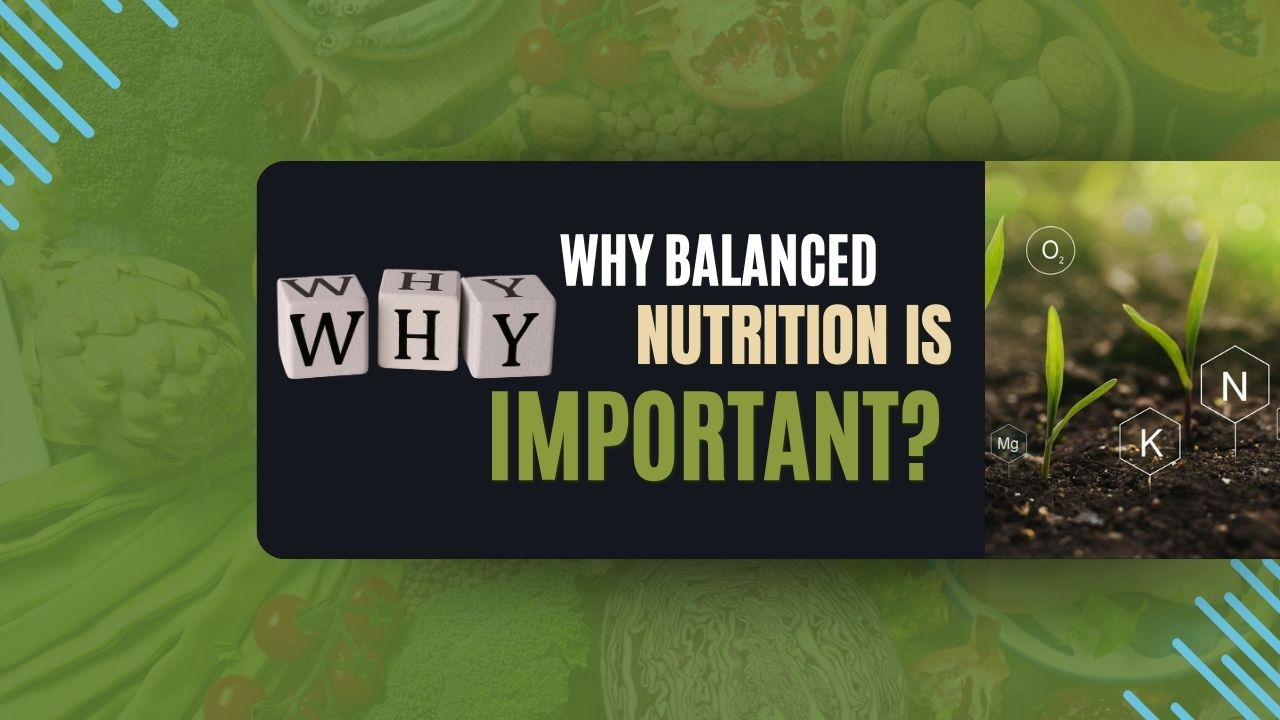
Why Balanced Nutrition Is Important?
The balanced nutrition of plants means giving the correct proportion of all the necessary nutrients in the proper ratio throughout the growth period of the plants. It can be compared to a balanced diet in humans, where they get all the necessary nutrients.
Why do we need balanced plant nutrition?
* Optimal Growth: Like us, plants need a balanced diet to grow properly.
* Greater Productivity: A proper diet will enable the plants to achieve maximum productivity by allowing them to develop up to their genetic capabilities.
* Higher Quality of Produce: Apart from achieving greater produce, a balanced nutrient will also ensure a higher quality of the crop.
* Protection Against Environmental Pollution: The application of too much fertilizer may cause environmental pollution, and hence, balanced plant nutrition is required.
Strategies for Maintaining Nutrient Balance:

Testing the Soil often:
It’s critical to test your soil at a minimum of once a 12 months.
This enables you to find out what nutrients are missing and which ones are in quick supply. With these records, you could use the right type and amount of fertilizer or soil improvements.
The use of organic substances:
Adding such things as compost, animal manure, or planting cover vegetation can help preserve the soil health and make nutrients more available for plants.
Fertilizing efficiently:
Deliver plants the exact quantity of fertilizer they need, based on what they require and the effects of your soil take a look at.
The usage of too much fertilizer can cause issues with the stability of nutrients and harm the environment.
Rotating plants and Planting associate plants:
Switching up which plant life you grow in a positive location and planting certain flora collectively can clearly help repair soil nutrients and prevent certain minerals from being used up too quickly.
Managing Soil pH:
The pH stage of the soil impacts how well plant life can absorb nutrients.
Preserving the soil pH in the appropriate variety, generally between 6. zero and seven for most plants, facilitates flowers getting the vitamins they need correctly.
Controlling Water Use:
Too much water can wash away nutrients from the soil, while no longer enough can prevent plants from taking in vitamins.
Maintaining the proper amount of moisture helps preserve an amazing stability of vitamins.
By following those practices, growers can hold a steady delivery of vitamins, which helps plant health and facilitates plant life development to their full potential.
Conclusion:
In particular, proper plant nutrients are vital for healthy growth and high productivity. Knowledge of the distinctive vitamins, where they come from, and how to maintain them in stability is key to developing sturdy, healthy plant life.
A complete method to plant nutrients approach, knowing the role of each predominant and minor vitamins.
Major nutrients like nitrogen, phosphorus, and potassium are required in larger quantities and are important for strategies like making meals through photosynthesis and moving electricity around the plant. Minor nutrients, including iron, manganese, and zinc, are required in smaller quantities but are important for such things as enzyme actions and hormone manufacturing.
Knowing where these vitamins come from is also critical. Flowers particularly get nutrients from the soil; greater assistance can come from using fertilizers, including compost, or making use of foliar sprays to enhance nutrient availability.




Leave a Reply