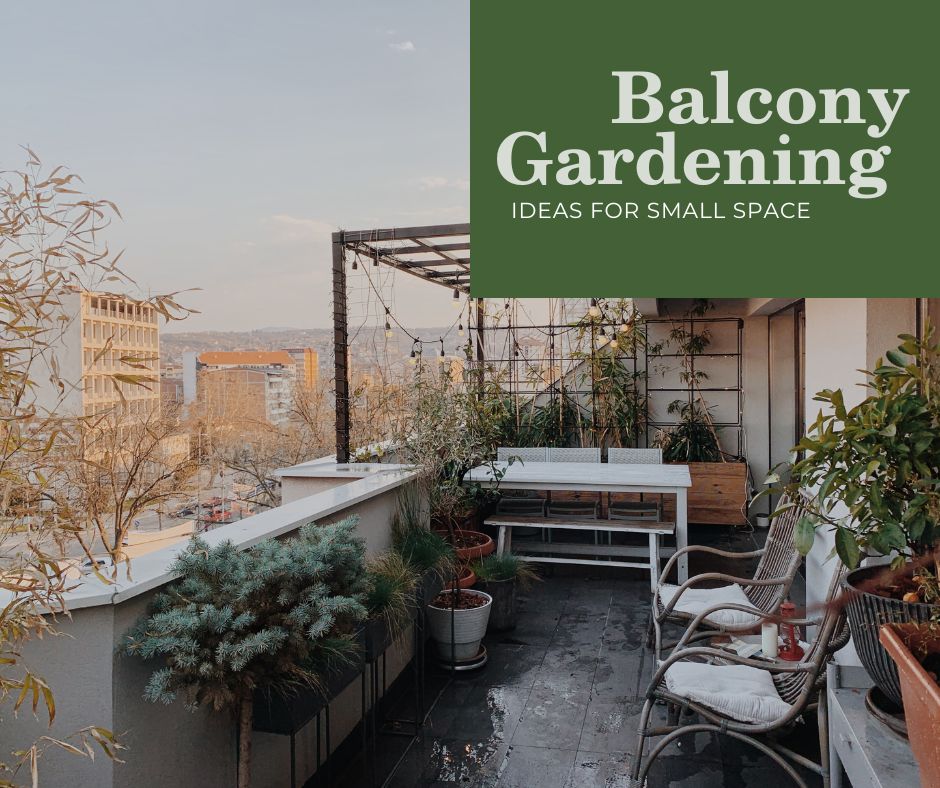
Growing plants on a balcony or terrace can be challenging for someone who is knowledgeable about gardening. It is also a fun way to be creative and enjoy nature.
Gardening on a balcony is a great idea for people who live in apartments or city homes where there is limited space to grow plants outside.
It lets you enjoy the outdoors, grow your plants, and make a calm and green space right near your home. Even a tiny balcony can become a lively area if you plan it well and use the right methods.
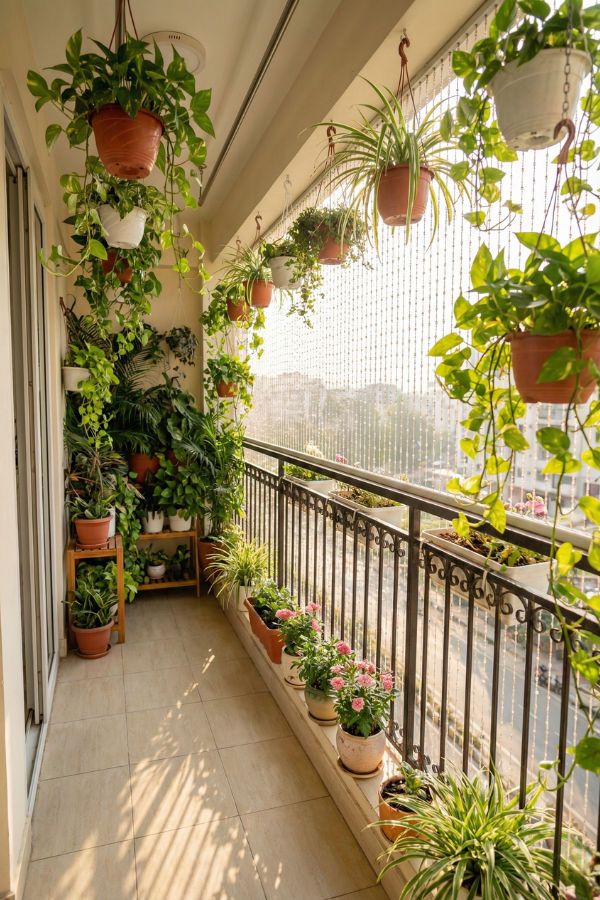
In areas, it is important to use every bit of space in a smart way.
Hanging baskets, containers on the wall, or stacked shelves are alternatives to big pots and taking up much floor space for gardening on a balcony. This allows you to grow plants without cluttering up the balcony space. Also, placing plants at heights gets one better sunlight and airflow for plant growth on the balcony.
To decide what plants to grow on your balcony, like a vegetable garden for city life, or a tropical garden. Container choices like a watering can or a wooden crate can be fun and a helpful part of the whole process.
Of course, you still need to work within the limitations of your space.
1. Vertical Balcony Garden Ideas:
When you do not have floor space, think about going up.
You can use planters that attach to the wall, pots that hang, or racks that stand up to grow plants. This way, you do not use up space on your balcony. It also makes your balcony look really nice with a lot of green.
It gives your balcony a nice green wall.
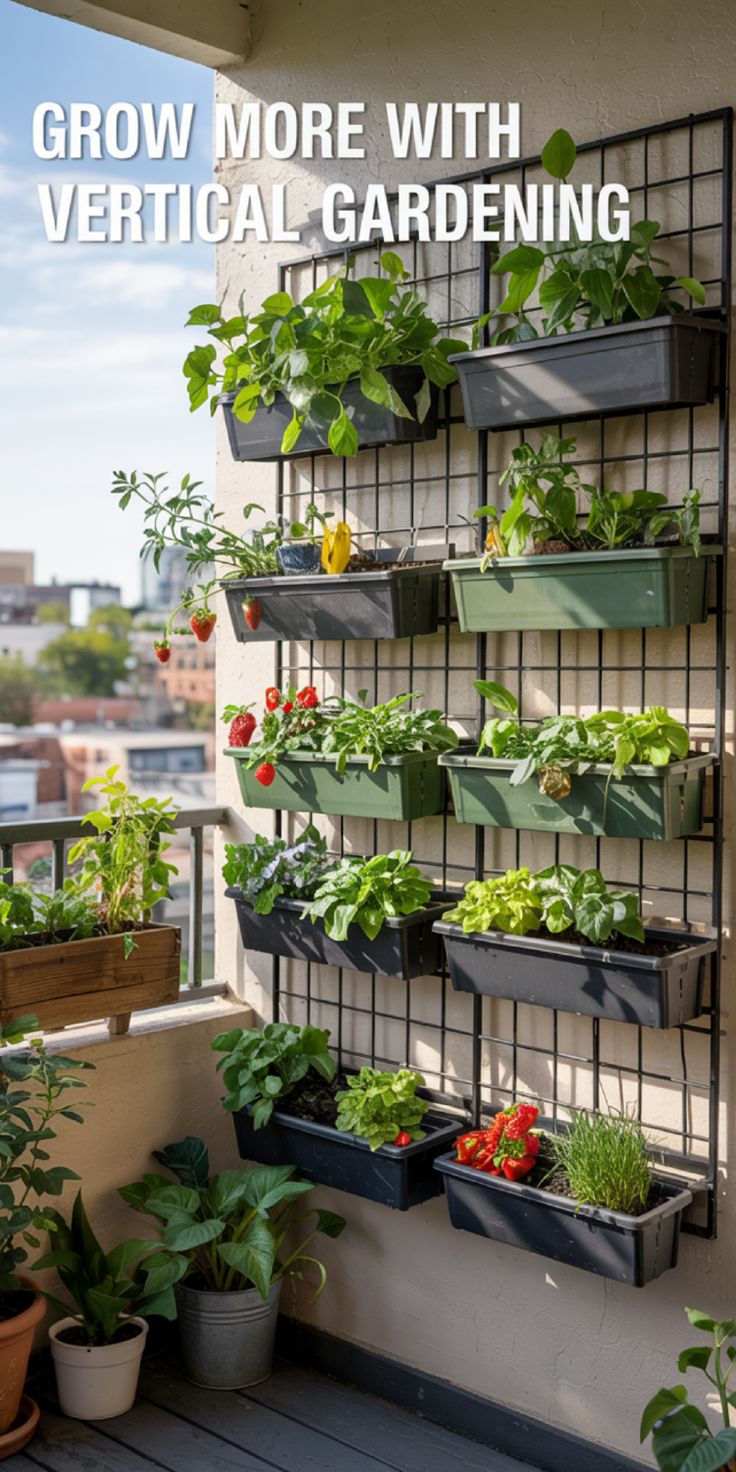
Vertical gardening is one of the best solutions for balcony and patio gardeners because it helps you use your growing space more efficiently without enlarging it in any way.
Whether it’s a small apartment balcony or a tiny concrete patio, a compact vertical system can accommodate the growth of many plants in a few square feet.
Vertical gardening is among our favorite balcony garden ideas.
It lets you use the vertical space of your balcony, so you don’t get limited by the small space your balcony offers.
It’s a great method to optimize your growing area. If done creatively, it can also afford you a nice privacy screen, lots of usable space, and a lot of personal style.
There are many great options to have a vertical garden, like growing vegetables vertically, flowers vertically, or even succulents.
One can also mix and match to give a big impact in a small space. Vertical gardening involves growing plants upwards rather than spreading them, where tiered planters, trellises, wall pockets, or stacked containers are used to grow plants.
Instead of using horizontal garden beds or posts across your patio, you layer plants vertically, which lets you grow much more food in a much smaller space.
For balcony and patio gardeners, growing upward rather than outward makes a big difference.
Hanging Baskets:
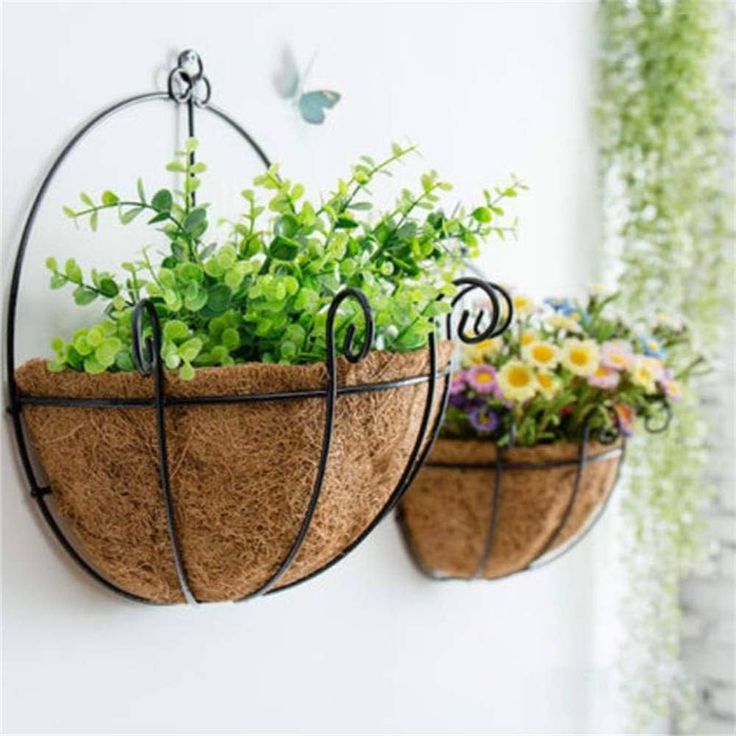
Hanging baskets are a great classic of balconies, which can be used to provide eye-level or above visual interest for a balcony garden.
These should not be used as the whole vertical garden system but rather alongside your primary vertical garden. Hanging baskets are a tried-and-true balcony feature and a good way to add interest at eye level or above.
Instead of using it as the whole system, they are best used as a portion of your principal vertical garden.
Freestanding Vertical Towers:
Freestanding vertical planters suit most patios and balconies well because they help in maximizing the available space, providing deep soil pockets that allow planting of a wide range of plants, and they do not require any drilling or installation.
While most stackable/vertical planters use shallow soil with limited root space or uneven watering, the Garden Tower 2 creates a full soil ecosystem like a raised bed, but in a vertical format.
2. Choose Compact Containers:
Balcony Garden Pots:
You already have some potted plants on your patio, but they can easily get overlooked. Make those pots the star of the show by adding vine trellises to them.
Hanging Planters:
Hanging planters include hanging baskets with pretty flowers and plants that hang down, as well as upside-down tomato planters and hanging terrariums.
These planters give you space to grow and can make your balcony feel bigger. They draw your eye up to just the pots on the ground. Hanging planters are really helpful.
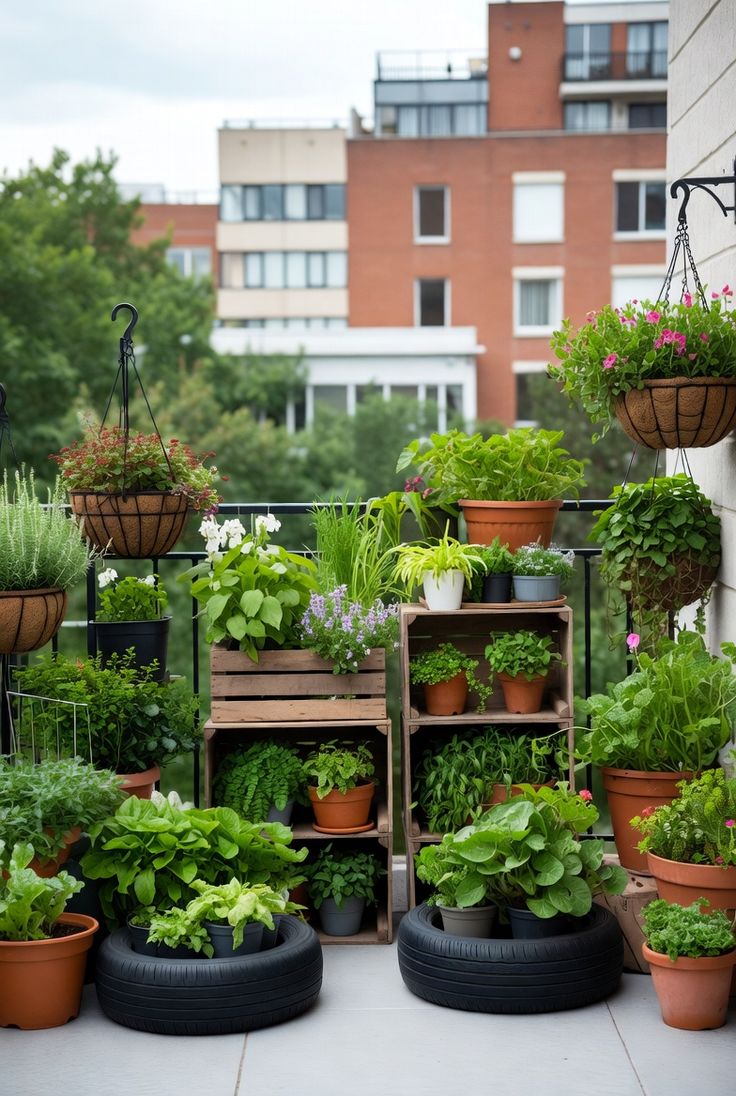
Balcony Garden Wall Planters:
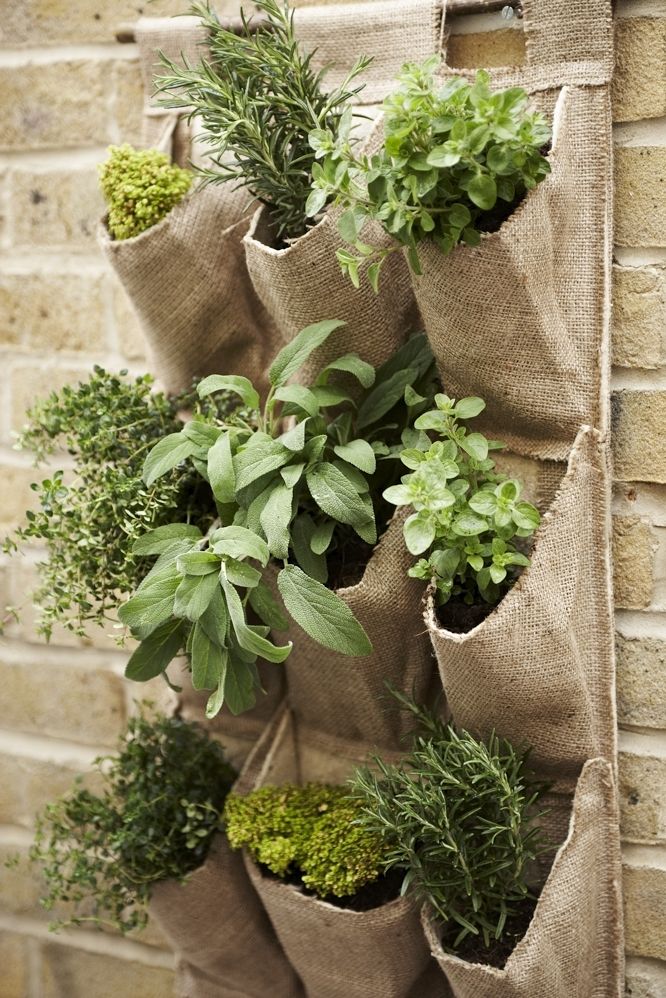
Walls are great for adding your style and making your space unique. Wall planters come in styles and often have planters, growing pockets, and buckets that fit right against the wall. This helps save space. You can use wall planters to make your balcony special.
Fill the planters with herbs, leafy greens, edible flowers, and succulents. You can also add plants to make it look nice.
Vary the textures to add interest. A simple wall shelf can be an addition. You can place pails and planters on it. It can also have hooks for holding gardening tools.
Balcony Garden Railing Planters:
If you want to add greenery, edibles, and colorful plants around your home, start with railing planters.
Many designs can fix bucket planters securely to rails that are 1 to 5 inches wide. You don’t have to worry about damaging the railing or planters falling. Some designs even go over the railing using space on both sides. Railing planters are easy to use.
Flower Boxes:
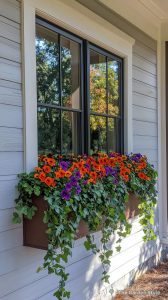
Place flower boxes filled with flowers like petunias, marigolds, or pansies along your railing.
Use toned granite tiles as a simple background. This helps make your colorful flowers stand out. Flower boxes look great on balconies.
Use Pots Strategically:
Small pots can get lost in a bigger space. Place them near patios, doorways, or seating areas. Use pots to show off small plants like bulbs, herbs, and succulents. You can easily move them around.
Plastic or Fabric Grow Bags:
Plastic and fiberglass plant containers are a choice for balcony gardens. They are lighter than terracotta or ceramic pots. Come in many styles and sizes.
However, on balconies, they can be blown over. You need to place them. Fabric grow bags are another option.
They are easy to store after the growing season. They have handles for carrying. Fabric grow bags are really helpful for balcony gardens.
3. Grow the Right Plants:
What Can You Grow in a Balcony Garden?
Almost any plant that grows well in a container can be grown as long as the gardener has enough space and can supply the garden with the correct amount of sunlight or shade. In case the area you are living in experiences cold winters, consider growing plants that can survive outside during winter or bring them inside to overwinter. That way, you won’t have to start over each spring.
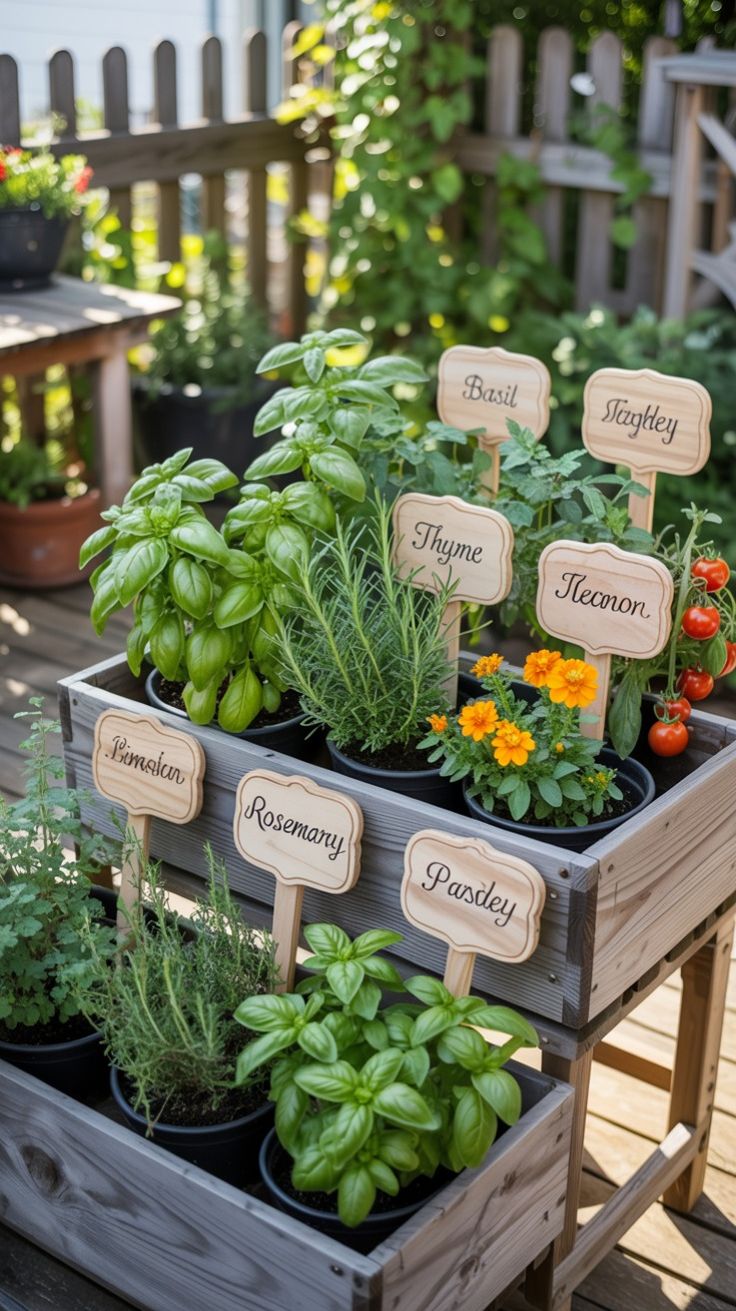
Some of the great picks include
- Herbs
- Vegetables
- Small trees, such as dwarf citrus trees or olive trees
- Small shrubs
- Container-friendly annuals and perennials for shade or sun
- Succulents
- Tropical houseplants, such as philodendrons or spider plants.
- Flowering vines and other climbing plants.
- Cherry tomatoes
- Chilies
- Leafy greens (lettuce, spinach)
4. Maximize Sunlight:
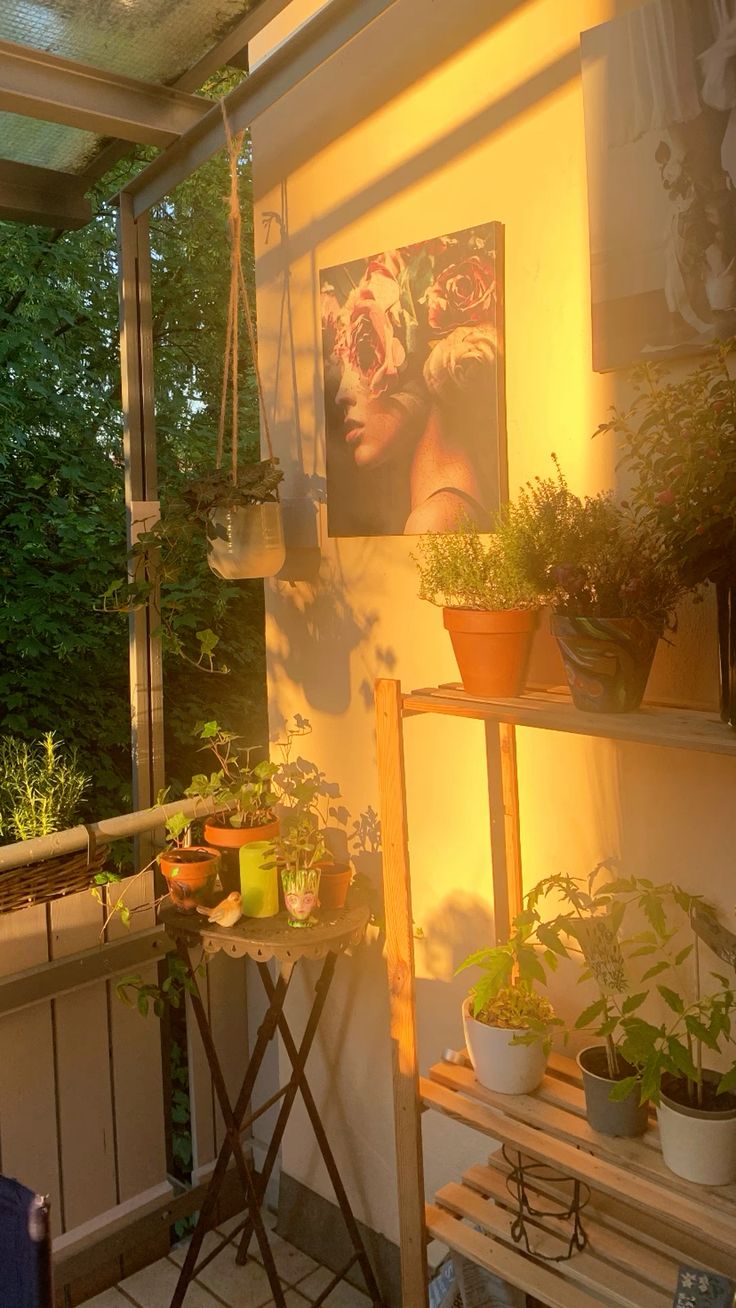
Before you start designing your balcony garden, take some time to see how the sun moves across the area during the day. Notice when the sun is shining and think about how much sunlight your balcony garden really gets. Is your balcony garden mostly in the shade? Does it get some sunlight like the trees in front of your balcony, or is it full of sunlight all the time?
If your balcony garden gets sunlight, do not worry, there are still many plants you can grow in your balcony garden.
Some great options for your balcony garden with low-light conditions include impatiens, hostas, ivy, succulents, and ferns. These plants are easy to care for in your balcony garden. Your balcony garden plants can thrive in these conditions.
You can also grow some herbs and vegetables in your balcony garden, even if your balcony garden does not get a lot of sunlight.
Your balcony garden plants like chard, kale, salad, and lettuce are some good choices for your balcony garden. These plants can produce well with some shade in your balcony garden. They are perfect for adding some greenery to your balcony garden.
5. Smart Watering Techniques:
Check your soil (finding moisture) regularly (at least once a day) so you know when to add water. Wait until the surface of the soil is dry before adding water, but don’t let it become completely bone-dry.
Self-watering planters with built-in drip trays or vertical gardens that are designed to use water efficiently are perfect choices when you want to grow plants on a small balcony.
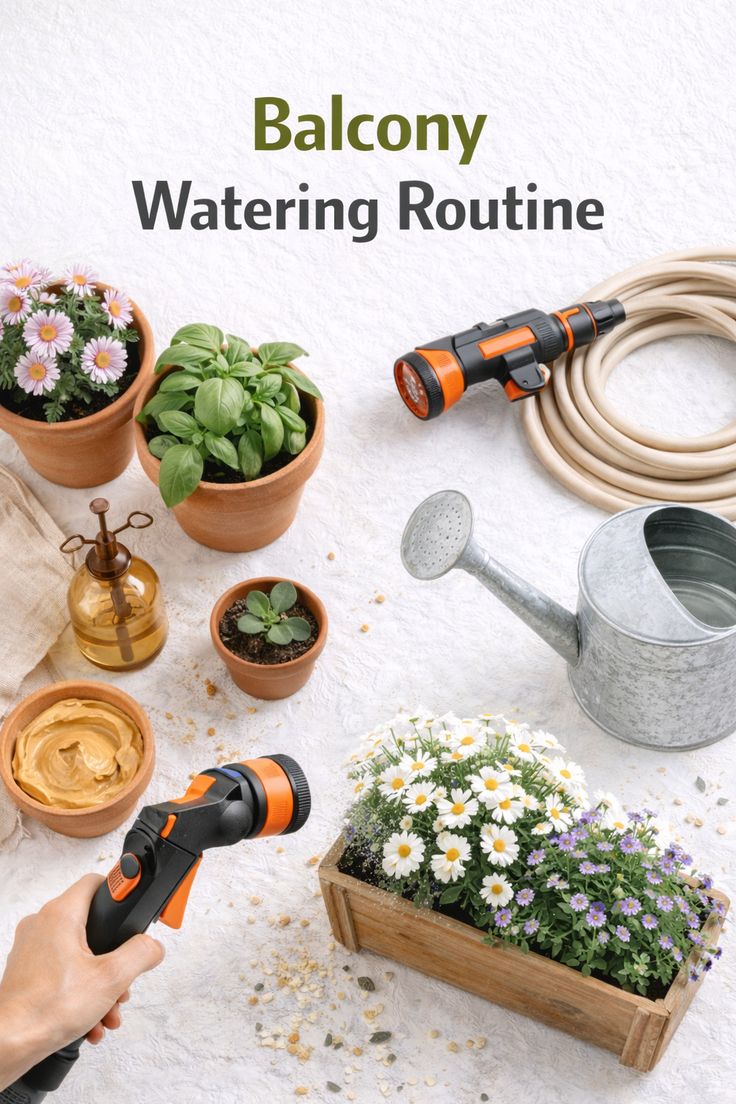
Grouping plants can save water and make caring for them easier. One way to do this is to use a large, lightweight watering can that you fill up in your bathtub, instead of a small one that you fill up at the sink. The best type of can for this situation is collapsible, as it will not take up space when not being used.
Put a tray or saucer underneath each of your plants so they catch any excess water, and you do not waste it.
Self-watering pots can also reduce how often you water because of their design.
If you do not want to use a watering can, you can purchase a lightweight, extendable garden hose that connects to your kitchen sink through an adapter. These hoses are available in many lengths (up to 100 feet) and can be rolled up for storage.
Keep It Low Maintenance:
When you are setting up a garden, it is a good idea to pick plants that do not need a lot of care, especially if you have a busy schedule. You want plants that are easy to take care of because you do not have a lot of time to spend on your balcony garden.
Plants like succulents are great because they can hold water in their leaves, so they can survive even if you forget to water them for a day.
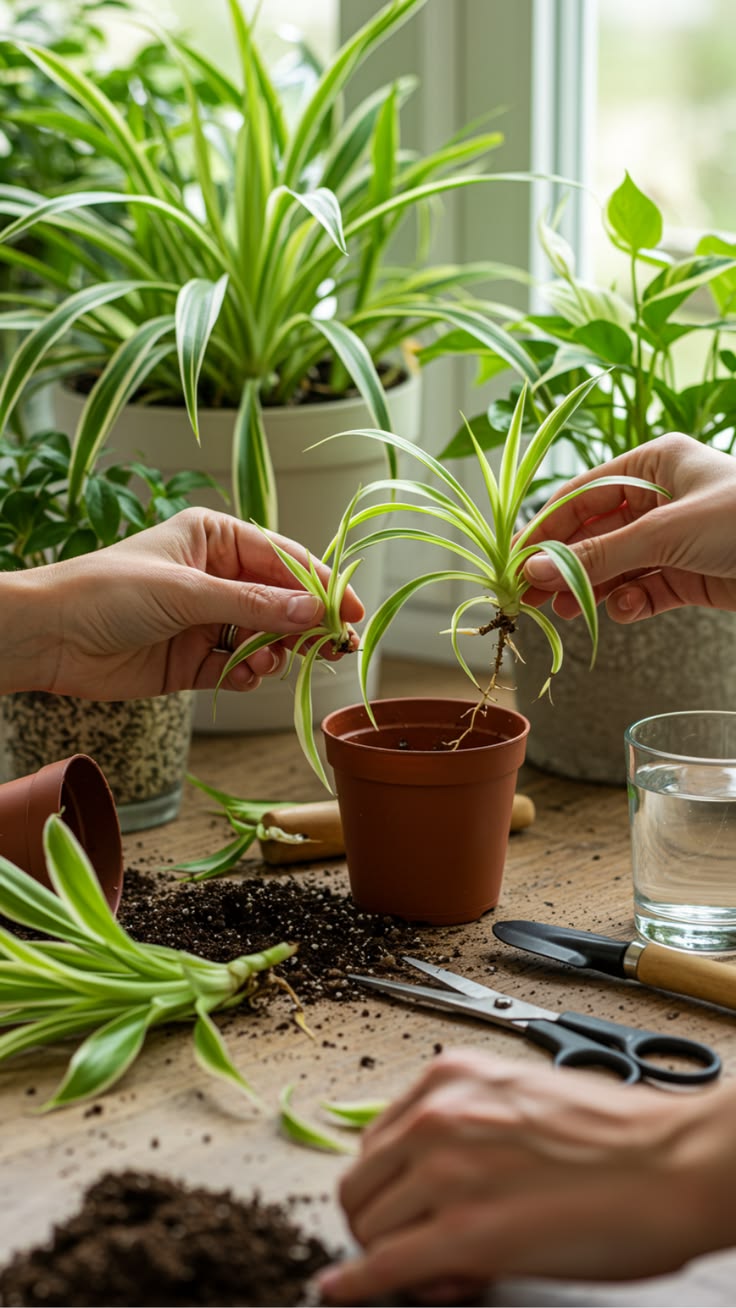
Succulents are really tough. Can thrive in small pots with very little effort from you.
Herbs like mint, basil, and coriander are also great because they grow quickly and just need some sunlight and occasional watering.
Mint, basil, and coriander are really useful for cooking, which makes your balcony garden more valuable.
Going for low-maintenance plants like succulents and herbs also means you are less likely to deal with pests or diseases, or plants that dry out easily.
A low-maintenance balcony garden saves you time. It lessens your stress, and it still lets you enjoy greenery and fresh food, like mint, basil, and coriander, without a lot of hard work.

Leave a Reply