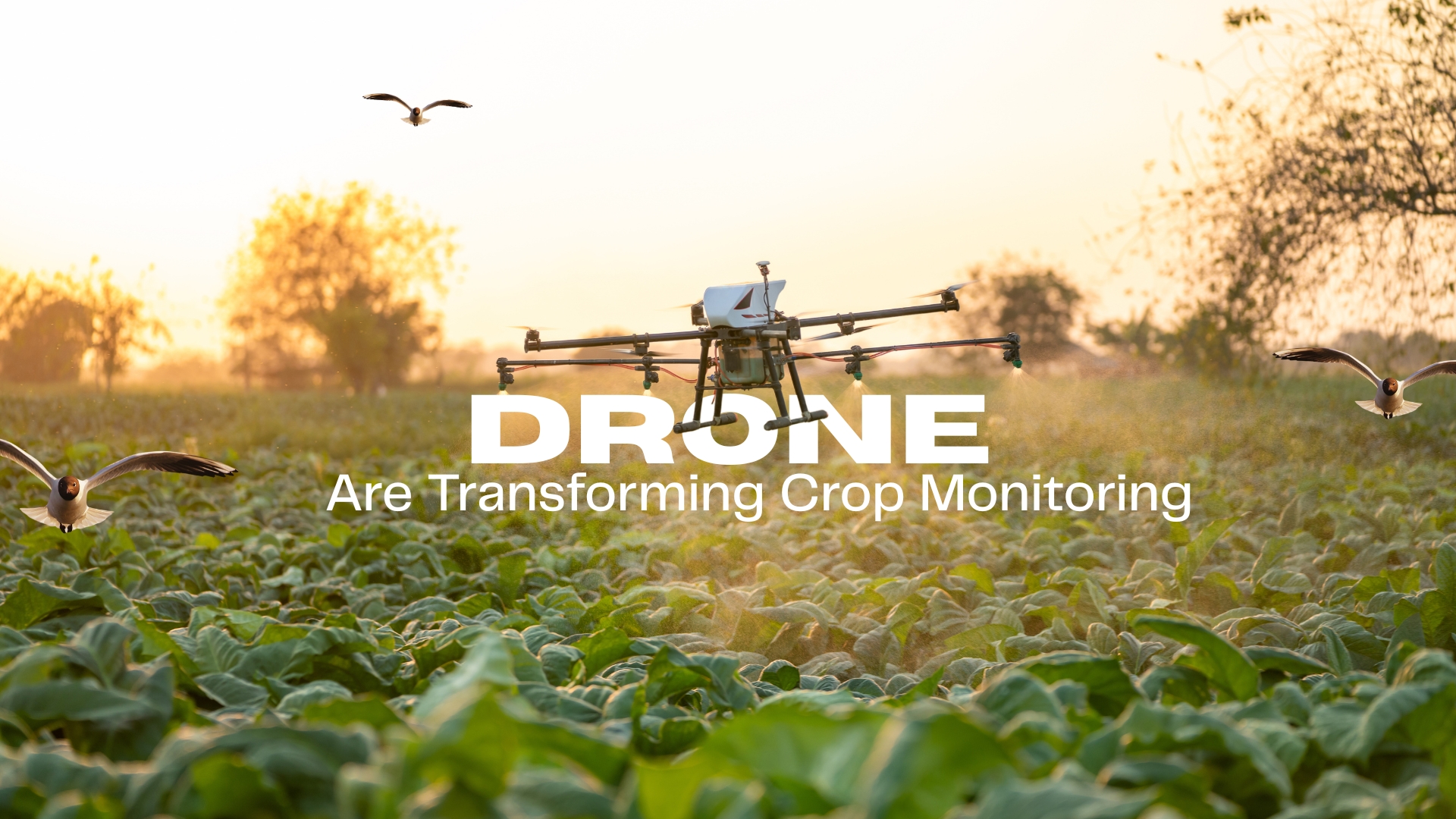
Drones are really changing farming. They provide farmers with tools to manage their crops and monitor the health of their fields. This helps farmers make their farms work better. Farming has numerous problems, including food shortages and unpredictable weather. Drones are helping to solve these problems.
Many big farms use drones now because they help farmers use precision techniques. The drones fly over the fields. Gather information that helps farmers decide what to do. They can see what parts of the field need water or special treatment.
Farmers can connect the pictures from the drones to their farm computers. This way, they can see how healthy their fields are and what they have done to them. They can see what they have sprayed and what they have harvested.
Using drones and computers together can make a difference. Some farmers have seen their crops get up to 5% bigger. This is a deal for farmers because they do not usually make a lot of money. Drones and computers are really helping farming. Drones are making farming.
Monitoring Plant Health:
One of the successful drone imagery applications is to check the health of plants.
Drones fitted with special imaging tools called NDVI (Normalized Difference Vegetation Index) provide data in colors that indicate vegetation health. The NDVI data allows prompt remedial measures if there is any threat to the plants’ productivity.
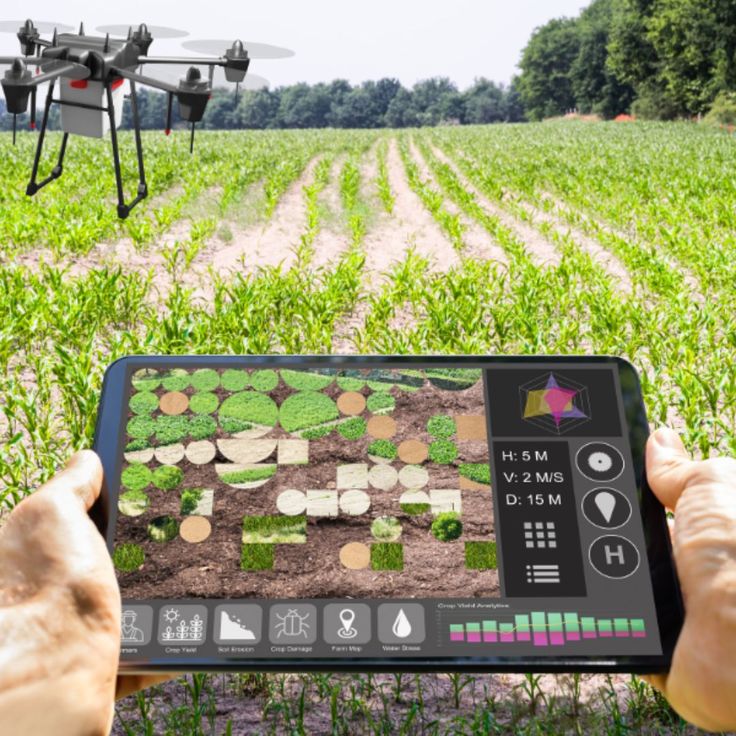
Drones with normal cameras are also used to monitor the health of plants.
For example, although many farmers use satellite images to monitor the growth, density, and color of crops, obtaining satellite data is costly and inefficient compared to drones.
Since satellites orbit at a far distance from the ground, their overview of agricultural fields is susceptible to interference caused by cloud cover and low lighting, which is of lesser concern with a drone flying directly over a field at a closer distance.
Satellites offer accuracy measured in meters, but drone images can be as precise as a millimeter.
This means farmers can locate points where plants are missing after planting and remedy the situation by replanting if required. Replanting can also be done after identifying empty spaces following seed planting, which is based on the available information on plant missing spots.
Drone sprayers:
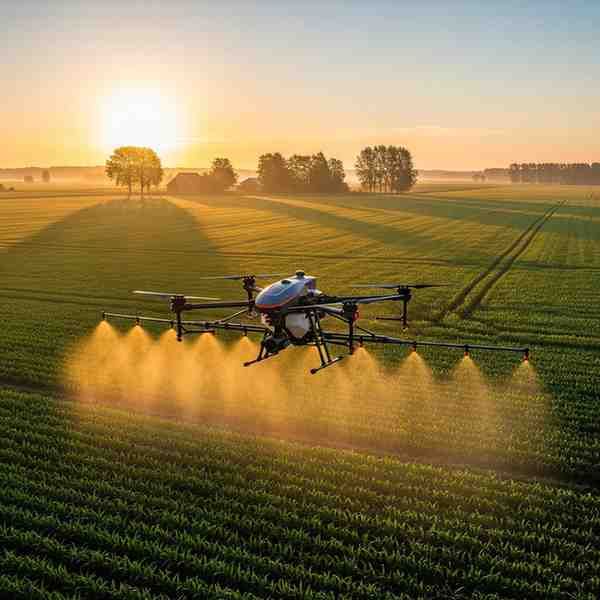
Drone sprayers can travel to tough-to-reach spots, like steep tea plantations in mountainous areas. They help workers avoid the dangers of using backpack sprayers in the fields, which can be bad for their health. Drone sprayers apply very fine sprays that target specific areas, which makes the process more efficient and lowers the cost of chemicals. Right now, the rules for using drone sprayers are different in each country. Drones with spraying systems are changing how pesticides, weed killers, and fertilizers are applied.
Using drones in farming allows them to fly low and spray crops with precision, making sure the coverage is even and cutting down on waste and runoff.
This method reduces the chance of people coming into contact with harmful chemicals. Drones can work in difficult-to-reach places without messing up the crops or the soil, making them perfect for tough terrains.
Reduced Operational Costs & Resource Optimisation:
Drones, therefore, are a means to enhance efficiency in farming by enabling farmers to apply the correct amounts of fertilizer or pesticide. Instead of treating the whole field at once, farmers can only work on parts that need treatment. The result is a reduction in financial expenses and resource wastage.
Overwatering is a serious farming problem. Drones can work in irrigation to save a lot of water. Also, they save on time and money that may be required in surveys or spraying operations that are carried out by humans.
Drones for Planting & Seeding:
Drones are changing the way we do farming. They are not just used for checking on crops and spraying pesticides. Now they are also used for planting and sowing seeds. This is an exciting development in farming.
Some companies are making drones that can plant seeds. They do this by dropping balls of nutrients into the soil. These balls have seeds inside. The forestry industry is already using drone seeders. They are great for planting in areas that’re hard to get to or not safe for people.
These drones are very effective. A small team can plant millions of trees in a day using drones. This technology has a lot of potential. It is especially useful in areas where planting by hand is difficult. As the technology gets better, drone planting could become a tool for making farming more efficient.
Drones are increasingly being used for seed planting in agriculture. At present, automated drone seeders are primarily utilized within the forestry industry, although there are ample opportunities for their expanded use. Drones can plant seeds in inaccessible areas without endangering the workers. Also, much fewer people are required to work in this area, as only two workers and ten drones can plant as many as 400,000 trees in one day.
It can help with one of the tasks in farming. Drones can make farming easier and faster.
Irrigation and Water Management:
Drones’ capability has been further enhanced by integrating thermal and multispectral cameras capable of determining the moisture content of the soil and identifying the exact location of those parts of the crops which experience excess water or moisture stress, thus change taking place in real time and allowing decisions to be made at the right time and place to water the crops.
Crop Yield Estimation:
Drones are, therefore, central to the accurate prediction of crop yields, as they can take images and collect data that indicate the health status and development of plants in terms of height and areal coverage of crop on the farm, with the help of data analytics and machine learning, precise forecasts can be made regarding the expected future harvest, which is essential for budgeting farmers’ activities on harvesting, storing, and marketing the produce, data analytics is crucial in not only improving the precision of yield forecasts but is also key in adjusting farming maneuvers and techniques aimed at improving the next growing season’s results, indicating the use of drones in crop yields estimation accentuates their importance as powerful tools for sustainable and efficient agriculture.
One of the benefits of drones in farming is their ability to cover large areas quickly and efficiently, whereas in a traditional farming setting, the only way of checking crops is to have the farmers or related workers walk through fields, which may take many hours or days, particularly on large farms, employing a lot of effort in the process.
Drone allows us to make this process much faster and more efficient: one flight takes several minutes, but during this time, it can cover several dozens or hundreds of acres, taking photos and videos of the entire field.
Data-Driven Decision Making:
The information gathered from drones is quite beneficial to farmers who want to make informed decisions concerning the management of their farms.
Predictive Analytics:
Using advanced analysis tools, drone data is information that can be made useful. This information allows the farmers to better predict the yield, plan the seed times, and even determine the crop types to be grown in the future.
Integration with Other Technologies:
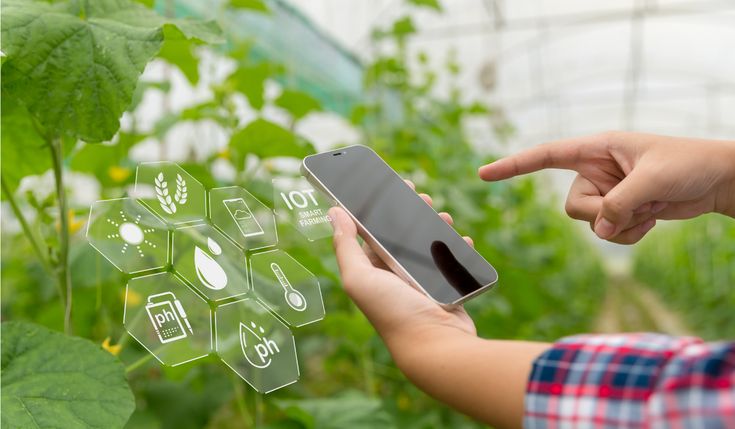
When drone data is combined with images from satellites, weather reports, and devices that connect to the internet (like IoT sensors), it creates a complete picture of the farm. This will enable farmers to adopt precision and intelligent agricultural practices.
Enhanced Environmental Sustainability:
Drones are helping make farming more eco-friendly in a number of ways. With less wastage, ecological systems become better for life, since drones are powered by electricity, compared to traditional machinery, which uses a lot of fuel.
The Final Thoughts:
Drones are changing agri-business because they provide farmers with the necessary tools to do their work more efficiently: they save time and money by helping with crop-monitoring and high-precision spraying.
The role of drones in sustainable farming is growing as they offer enhanced safety through the automated process of spraying pesticides and also collect data that helps farmers produce healthy crops and enhance yield sustainably.
They are changing traditional agricultural practices by making them more efficient, accurate, and data-oriented, and as technology evolves, drones will become even more critical in helping farmers optimize outputs while minimizing costs and adverse environmental impact.

Leave a Reply