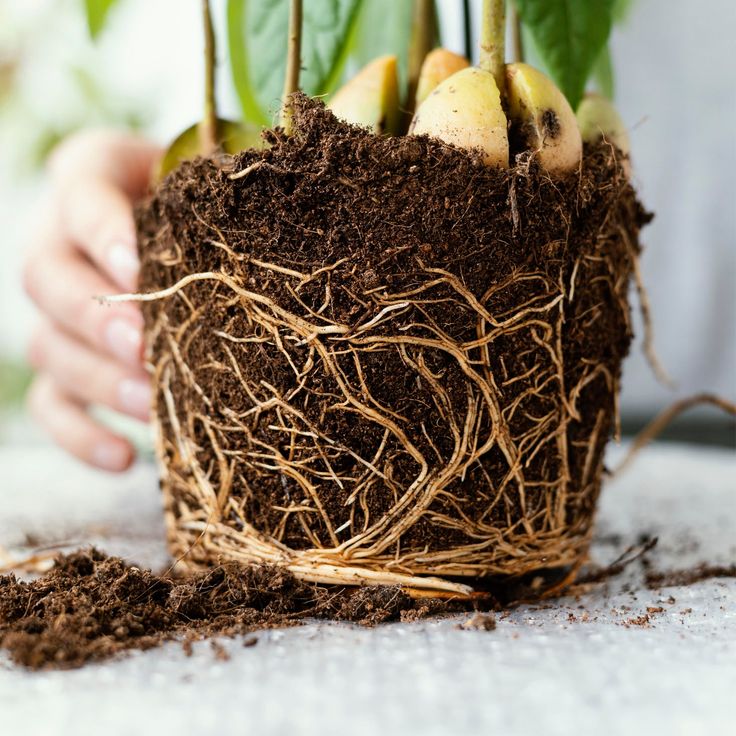
Root rot is a plant disease that can kill the plant, and it affects the roots of plants that are largely in wet soil in your containers without adequate drainage. It’s attributed to various types of fungus, including Fusarium and Pythium, and it rots out white, healthy roots and replaces them with soft, brown ones. This condition prevents the absorption of nutrients, and the signs visible to the naked eye include yellow or wilted leaves, stunted plant growth, and eventual plant death if not treated. Garden and container plants alike can suffer from root rot, but the condition is more common among the latter due to poorly drained soils.
Root rot is one of the most common and damaging plant diseases, especially in a desert and hot climate. Root rot is one of the most common and damaging plant diseases, especially in deserts and hot climates.
This guide will show you what needs to be done to prevent root rot and keep your plants healthy in a harsh, dry environment.
Look for these early warning symptoms:
Soft or mushy yellowing leaves:
Leaves turn yellow because the roots are damaged and hence, unable to absorb nutrients properly. They might also be soft or limp as opposed to firm and healthy. By this time, the affected plant is being overwatered, or there is poor drainage in place. If this is ignored, the leaves will eventually fall off.
Wilting after watering:
The leaves look limp despite the moisture in the soil. This happens because rotten roots are unable to take up water. It can be confused with dryness, which leads to more overwatering. The rotten core is proven by constant wilting.
Foul, musty smell near soil:
This smell is caused by fungal growth and decaying roots. This symptom appears when there is too much wetness in the soil. Fungus growth and decaying roots are responsible for the rotten smell that usually occurs when soil remains wet for an extended period.
Roots are black or brown:
Roots that have been infected are black/brown in color, while healthy roots are white. They become soft, slimy, and fragile to touch. The roots appear to be black and brown, slimy, and easily break apart. Such roots cannot support further growth or nutrient absorption.
Stem base becomes soft or discolored:
The stem base can also become brown or black. Instead of firm, the stem base feels weak and soft. The rot spreads to the stem from the roots first. Without timely treatment interventions, the plant may die altogether.
Common Causes of Root Rot in Desert Plants:
Overwatering – The most common culprit
Poor soil drainage – Using regular potting soil instead of cactus/succulent mix
Non-breathable containers – Especially ceramic pots without drainage holes
Frequent summer rains or over-irrigation systems
Mulch too close to the plant base – Traps moisture near roots
Non-Chemical Control Methods to Prevent Wet Conditions:
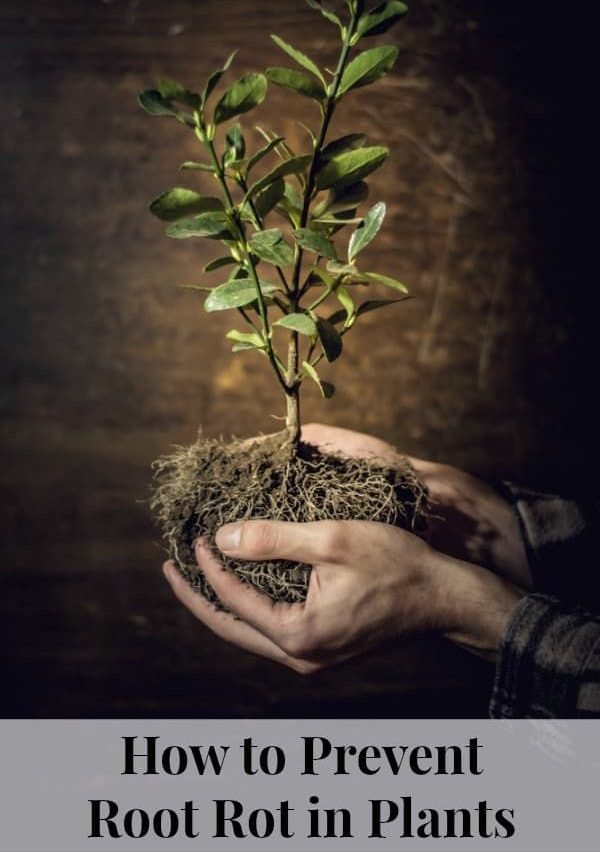
Monitor Watering Practices:
Overwatering plants provides favorable root rot conditions. Ensure to water them just enough, and not to cause soggy soils.
Check Root Health Regularly:
Keep an eye on the color and firmness of your plant’s roots – healthy roots should be white and firm. Plants can be saved if the disease is detected fast enough before it causes any harm.
Using Well-Draining Soil:
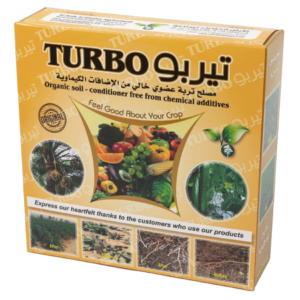
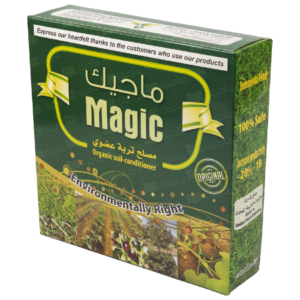
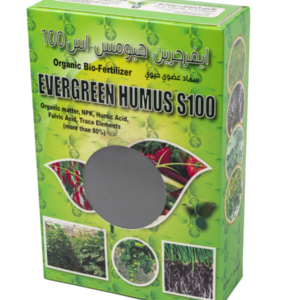
Using a well-draining soil is the most significant procedure in stopping root rot because it prevents excess water from staying around the roots. If we talk about the garden soil, sand, and compost mixture, every component has a vital role in forming a balanced growing medium. Composting enriches the garden soil with organic matter that stimulates healthy root growth, while sand promotes drainage by allowing percolation of water (Varkoni 124). Aeration is enhanced by adding soil conditioners, which means that air is free to move in the soil. This combination prevents soil compaction and waterlogging, and it ensures roots get adequate oxygen to thrive.
Optimize Plant Environment:
Ensure plants are kept in proper environmental conditions as per their nature – desert plants need dry conditions, tropical plants need humidity but not too much watering.
Clean and Disinfect Tools:
When root rot has been treated, always sterilize your scissors, shears, and other gardening equipment in a bleach solution.
Use Fresh Soil When Replanting:
If you’ve treated a plant for root rot and removed any damaged roots, put the plant in fresh soil with proper drainage.
Manage Sunlight & Temperature:
Managing sunlight and temperature is important to keep the soil balanced and prevent root rot. Proper sunlight helps excess moisture evaporate from the soil, keeping it from staying too wet. Placing plants in areas with good sunlight ensures healthy growth and supports natural drying of the soil. However, in very hot climates, too much direct heat can stress the plant and damage leaves. In such cases, providing partial shade during peak afternoon hours protects the plant while still allowing enough light for growth. This balance helps maintain healthy roots and overall plant health.
Conclusion:
Protecting the life force of garden plants against the looming danger of root rot requires a holistic strategy, including vigilant watchfulness and apt precautionary actions. Pythium and other fungi that cause root rot damage the root system and the overall health of the plant, causing it to wilt and rot. By employing non-chemical control measures to improve soil drainage, gardeners can discourage an environment that supports the development of root rot.
The importance of this preventative technique is its simplicity and directness. Preventative Measure Importance: Preventive Techniques. This preventative technique’s significance is its simplicity and direct impact.

Leave a Reply