
With their glossy, large leaves or tropical flowers, indoor plants add color to any space. In addition, they are good for our minds, bodies, and souls. Indoor plants are much more than just a pretty face. These plants scrub the air clean and add moisture to the dry air. At the same time, they release oxygen, the very air you need to breathe. At the same time, they can also remove toxins from the air we breathe, thus acting as an air purifier.

According to NASA, most houseplants remove more than 90 percent of toxins in the air. You can not see or smell these pollutants, but they can come from your regular household items. The EPA estimates indoor air can be up to 1,000 times dirtier than outdoor air. Yes, it is true. Indoor pollutants can build up and even increase asthma, allergies, and other illnesses. And we spend most of our time indoors – healthy, clean air quality should be our top priority.
How Plants Clean Indoor Air
Yes, green plants are indispensable to human life. Through photosynthesis, they convert the carbon dioxide we exhale into fresh oxygen. One famous NASA experiment, published in 1989, found that indoor plants can clean the air of cancer-causing volatile organic compounds such as formaldehyde and benzene. In their research, NASA researchers also found that soil microorganisms in potted plants played a vital role in cleaning indoor air.
Plants absorb gasses through their leaves. That is how they convert carbon dioxide and light into energy – the process is known as photosynthesis.

But that is not all they absorb. Researchers found that indoor plants can also absorb VOCs, volatile organic compounds, from the air. VOCs primarily include benzene from plastics, fabrics, or even formaldehyde in cleaning products.
The Air Cleaning Benefits of Plants
There are several benefits, including:
- Significantly reduce carbon dioxide levels
- Increases humidity
- Reduces levels of certain pollutants, such as benzene, formaldehyde, and nitrogen dioxide.
- Reduces airborne dust levels.
- Keeps air temperatures down.
Some common plants you can keep are baby rubber plants, snake floor plants, and money plants. These plants are perfect for purifying the air. Plants can remove these pollutants from the air.

Plants also absorb the carbon dioxide and viruses you exhale. When plants absorb gasses through their leaves, it stays or moves into their roots. Microorganisms living in the soil help breakdown and neutralize the toxins before turning them into food for the plant.
Therefore, filling your home with attractive indoor plants is a beautiful step in detoxifying the air. It is a good option as plants can serve as air purifiers. These plants will make people feel more relaxed and calm while beautifying every room in the house. However, it is essential to note that not all plants have air-purifying qualities like the others.
Can Indoor Plants Really Purify The Air – Act a Air Purifier
Based on research, some scientists confirmed that house plants are very effective natural air purifiers. The bigger and leafier the plant, the better air purification it can do. The amount of leaf surface area often influences the rate of air purification.
But it is impossible to guess exactly how many plants may be needed to clean a room of its contaminants. But experts suggest that at least two good-sized plants per 100 square feet of interior space are good enough.
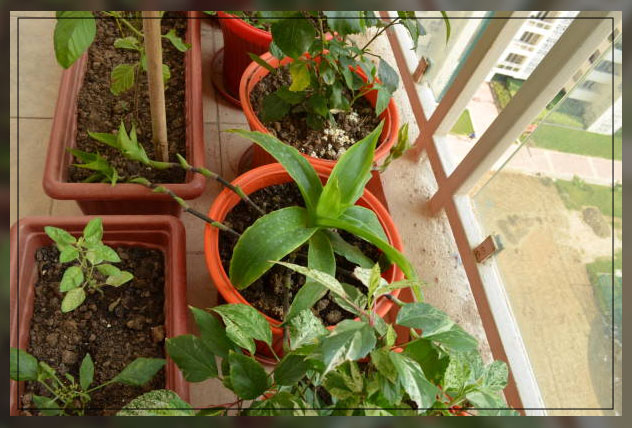
The Boston fern is known to be one of the most effective plants for removing airborne pollutants. But the irony is it is challenging to grow indoors. However, some recommend the golden pothos as the first choice since it is a popular plant and easy to grow indoors.
Though there are no definitive studies to show that growing indoor plants can significantly increase your air quality in the home. Which directly measurably improves your health. Many believe that house plants are not only pleasant living companions, but at the same time, they also provide several evidence-based health benefits.
Processes That Help Plants Act as Air Purifier
We all know plants are used as an efficient environmental cleaning system for the env. The process is known as Phytoremediation – which can be done via various techniques. Different processes in plants clear the env of pollutants.
Indoor plants are considered natural air filters as they can purify your air through different methods: absorption, dilution, precipitation, and filtration. However, a well-known process carried out by plants is photosynthesis. During this, plants clean the air by taking in carbon dioxide and releasing oxygen. Thus acting as air purifier.

Respiration is another process where plants absorb oxygen and release carbon dioxide. Through both these processes, air goes in and out of the stomata. These are the central apparatus plants may use in the absorption and filtration mechanisms.
Plants can easily absorb airborne molecules, thus restoring the ecological balance in the air. In addition, plants can also purify the air from pollutants like carbon dioxide, carbonyl, volatile organic components, and particulate matter. They can also filter organic compounds like nitrates, ammonia, sulfates, calcium, ozone, and even carbonate. You can consider indoor plants as a low-cost solution that reduces your levels of indoor pollutants and minimize human exposure to several harmful compounds.
Indoor Relative Humidity – An Important Factor
Indoor relative humidity or RH is considered an essential component that may cause an interaction between humans, viruses, and plants.
Recommended interior humidity levels for humans usually range between 30 and 60 percent. But 40 to 60 percent can prevent viral transmission. Research has shown that indoor plants can absorb tiny airborne water vapor particles. As a result, it can improve indoor humidity and work as air purifier.
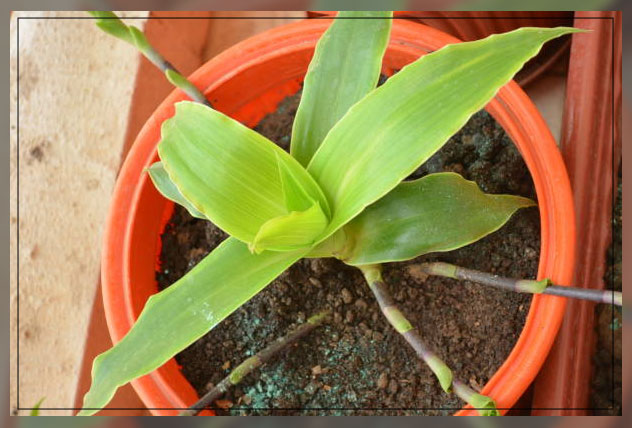
Concerns were raised that indoor plants can transpire through stomata which release tiny water droplets into the surrounding air, thus increasing humidity. Plants can maintain the interior humidity at suitable levels for human beings.
Humidity, as you know, is highly correlated with the abundance and presence of bacteria, mold, mildew, and other biological pathogens, which drastically impact human health. Plants are known for the potential to enhance humidity through foliar water uptake at high humidity. In turn, they reduce bioaerosols. It means plants can control air humidity, maintaining it at intermediate levels, which lowers the viability of SAR-CoV-2. Therefore, decreasing the efficiency of viral transmission.
Bring Home Plants That Can Act As Air Purifier
Do you know that the air inside your home is no fresher than outside? Want to breathe cleaner air at home? Bringing in air-purifying indoor plants or anti-pollution plants will purify the air inside the house. At the same time, it will add freshness and color to your home. So, without further delay, bring these plants home.
1. Money Plant
These powerful air purifying plants will clean the air inside your house effectively. The plant requires regular watering and thrives in indirect sunlight. The best part is these plants propagate rapidly. Therefore you need to prune them regularly. Be warned the leaves of these plants are toxic for dogs, cats, or even small children if ingested.
2. Snake Plant
Snake plant is a hardy, easy to grThis plant requires little-to-no maintenance. It is one of the best air purifying plants having medicinal properties. The plant requires regular sunlight, so the best place to keep them would be near a window. And, yes, don’t forget to water these plants regularly.ow and propagate easily requiring minimal attention. You need to plant them in free draining soil. These air purifying plants are one of the top air purifying plants for living rooms or bedrooms as identified by NASA. They can have low light and humid conditions. It filters out formaldehyde easily which is commonly found in personal care products.
3. Basil
This plant requires little-to-no maintenance. It is one of the best air purifying plants having medicinal properties. The plant requires regular sunlight so the best place to keep them would be near a window. And, yes, don’t forget to water these plants regularly.
4. Green Spider Plant
These useful air-purifying indoor plants for the bedroom grow quickly and require minimal care. The plant needs well-drained soil and should be watered two-three times a week. The spider plant is also an air purifying plant as it eliminates the presence of xylene and formaldehyde indoors. This plant is non-toxic and very safe for pets and small children. It needs bright indirect sunlight to stay alive. One plant is enough to clean the air in a 200 sq. m space.
5. Bamboo palm
The bamboo plant is perhaps one of the best air purifying plants. A hardy plant, it can filter benzene, formaldehyde, and trichloroethylene. The plant needs moist soil and should have good air circulation. It is a natural humidifier which makes it all the more valuable during the dry winter. The plant can thrive in areas with bright sunlight. The plant will require regular pruning.
Take Away
When it comes to indoor plants that act as air purifiers, the rule of thumb is that the more, the better. Yes, each plant can pump loads of fresh oxygen and naturally clean toxins out of the air in your room. If you are ready to go all in and upgrade your indoor air quality, just follow the steps above. You may also know them as air purifying plants or anti-pollution plants.
Read related topics on sprinkler system, water sprinkler, drip irrigation, ground water, vegetable farm, sprinkler irrigation, cruciferous vegetables, plant nursery, and more.


Leave a Reply