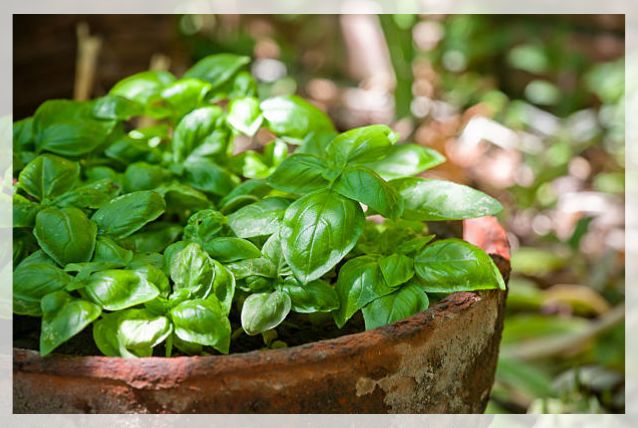
If you have a herb garden, then you would also have a basil plant in it.
Basil plants tend to grow until the frost while it is still good, and you can keep on harvesting and trimming the flowers to keep the plant strong.
The most common type of basil you can have in your home is sweet basil, while other types are purple basil which is less sweet than common basil.
Moreover, you can have lemon basil, which has a lemon flavor, and Thai basil which has a licorice flavor.
One of the fun things about this plant is that it is easy to grow. However, it only grows outdoors in summer and once the soil warms up.
Therefore, you should plan to grow basil accordingly.
In case you are planning to make a pesto, you can grow several plants. While basil also has other uses as well.
Keep on reading.
Basil Plant
Sweet basil, Ocimum basilicum is a member of the mint family and is closely identified with Italian cooking.
Though it tends to be from India originally.
The extremely aromatic leaves also have a variety of flavors, ranging from the lemony mint of sweet bail to cinnamon and licorice.
Moreover, its leaf colors span from rich green to deep purple, with either smooth or crinkled leaves.
The flowers are insignificant, however, are very popular with bees.

It is important to note that all types of basil tend to grow in warm sunny weather.
You can use its leaves in cooking, however, the flower buds are also edible,
This fast-growing herb tends to thrive well in both gardens and containers.
With enough warm weather, new basil plants are ready for pruning, and to encourage new growth you can prune your plant in about 6 weeks.
Learn more about Herbs That Grow Year Round here.
Quick Facts about Basil Plant
Some quick facts about basil plants are:
| Common Name | Sweet basil |
| Botanical Name | Ocimum basilicum |
| Family | Mint |
| Plant Type | Perennial or annual herb |
| Size | 18–24 in. tall and wide |
| Sun Exposure | Full sun (likes some shade in very hot climates) |
| Soil Type | Somewhat rich soil |
| Soil pH | 5.1–8.5 (acidic to alkaline) |
| Bloom Time | June to frost |
| Hardiness Zones | 10–11 (grown as an annual elsewhere) |
| Native Area | Central Africa to Southeast Asia |
Planting Basil Plant
Basil plant is a warm-weather herb, so you plant often get them from plant nurseries and transplants that you can start in greenhouse conditions.
If you grow basil from the seeds, you will need to start them indoors about 6 weeks before the last spring frost.
Basil is ready to harvest in about 60 to 90 days from seeding.
You can prevent the basil from blooming for as long as possible by harvesting or pinching off the top sets of the leaves.
Do this as soon as the plant reaches about 6 inches in height.
However, if the plant sets flowers, it is one of its ways to seeds and not grow bushy and fill out with a lot of tasty leaves.
Moreover, the size of your plant depends on the variety you are growing, the growing conditions, and how much you harvest.
Sweet basil or Ocimum basilicum can reach about 6 feet in height, however, often grows to about 18 to 24 inches or even short.
This is because when you keep its height in check if you are harvesting regularly and not letting your plant flower.
Continuous pinching and using your basil will coax it into becoming bushy with more leaves.
There are also short 6-inch dwarf varieties, which work well in pots.
Basil Care
Growing conditions for basil are:
Light: Basil grows best with 6 to 8 hours of full sun every day.
Enough sun also means fewer disease problems and sturdier plants. This is the case except in the hottest climates where they prefer partial shade.
Soil: This plant tends to thrive well in moist, rich, well-draining soil.
Gardners often amend the soil with compost or other nutrient-rich mulch.
Water: You will need to water your plant on regular basis, but make sure its soil is well-draining.
You can also use a mulch to help keep moisture in.
Temperature and Humidity: Basil is a heat-loving plant.

Do not plant them until the daytime temperature remains in the 70s and the night temperature is above 50 degrees Fahrenheit.
It is important to note that basil is very sensitive to frost and will be one of the plants that die in the fall.
However, you can extend the season a little by covering your plant with row covers when there is the threat of frost.
Do not let the row cover touch the leaves, however, frost on the outside of the row cover is sufficient to damage the tender leaves, turning them black.
If you live in a frost-free area, you may want to allow some basil to set flowers and self-seed in the garden.
However, it is important to note that not all varieties will do this successfully.
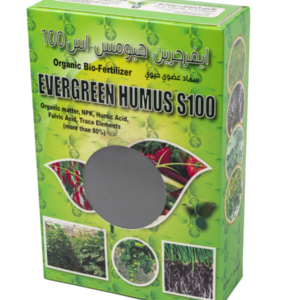
Fertilizer: As you will harvest leaves from the basil plant, you may need to fertilize them a lot.
An all-purpose fertilizer will work well and will help to make sure that the new leaves will grow continuously.
Learn more about Why Use Organic Fertilizer? here.
Types of Basil
There are a number of cultivators of sweet basil, as well as other related species with unique tastes.
You can try these different kinds of basil:
‘Genovese’ or Ocimum basilicum ‘Genovese: This one tends to have larger leaves than the species with sweet basil, will all the flavor.
‘Cinamon or ‘Mexican Spice’ Ocimum basilicum ‘Cinnamon’: You can enjoy its green foliage, purple flowers, and spicy, cinnamon scent.
Lemon Basil, Ocimum basilicum x citriodorum: This one is a hybrid plant with a distinct color and taste of citrus.
Thai Basil, Ocimum. basilicum var. thyrsiflora: This variety of sweet basil will have a sweeter taste with a hint of licorice.
Moreover, it is very common in Asian cuisine, particularly Vietnamese dishes.
Harvesting the Plant
You can harvest your basil plant when its leaves are about 6 to 8 inches tall.
Even when you are not using the leaves in cooking or drying or freezing them, you can pick the leaves regularly to improve the vitality of the plant.
Moreover, you can either dry or freeze the leaves of basil after harvesting them.
Dried basil is easy and convenient to use but at the cost of some flavor.

While frozen basil will have a strong basil flavor than dried ones but at the cost of texture.
You can use frozen basil in cooked dishes. If you like to cook with this plant and olive oil you can blend fresh basil with your favorite olive oil.
And then portion it into an ice tray for freezing.
Store the frozen cubes in an airtight container for later use.
Growing Basil in Pots
It is important to note that a basil plant will work in any type of pot or container even a kiddie pool.
However, there are two rules for success.
Keep the soil moist and avoid crowding your plants. The easiest way to follow both of the above rules is to plant them in large, deep pots.
This means that there should be more soil for moisture retention and more real estate for spreading out multiple plants and making sure there is enough air circulation.
Moreover, you can choose to plant them as close as 6 to 8 inches apart if you want a full look at your containers.
However, spacing them 12 to 18 inches apart is better for air circulation.
Overcrowding your plant will make them vulnerable to fungal problems.
To make sure that the container you are using is properly hydrated, make sure to check the soil daily by sticking your finger in to the second knuckle.
And water when the soil feels dry at this depth.
Use quality potting soil that drains well so the roots do not sit in water.
Furthermore, make sure that the container has drainage holes.
However, if you do not premix the soil with fertilizer, you can add some organic plant food and mix it well when filling the pot.
Thereafter, you can feed the plants every 2 weeks with diluted liquid fertilizer.
Learn more about Container Farming: A New Way of Agriculture here.
Common Pests and Plant Diseases
One of the biggest basil pests is Aphids, especially when your plant basil indoors.
However, beetles and slugs can also be an issue outdoors, thus creating holes in the leaves of your plant.
Cover your whole plant with a soap solution of 2 teaspoons of dishwashing liquid to a full gallon of water to remove or eradicate these pests.

It is important to note that basil tends to be susceptible to powdery mildew.
You can control it by providing plenty of space between the plants to improve air circulation and avoid overhead watering.
This is because when you overhead water your plant, it can splash fungal spores onto the plants.
Moreover, severely affected leaves should be picked off and discarded.
Learn more about Organic Pest Control here.

Leave a Reply