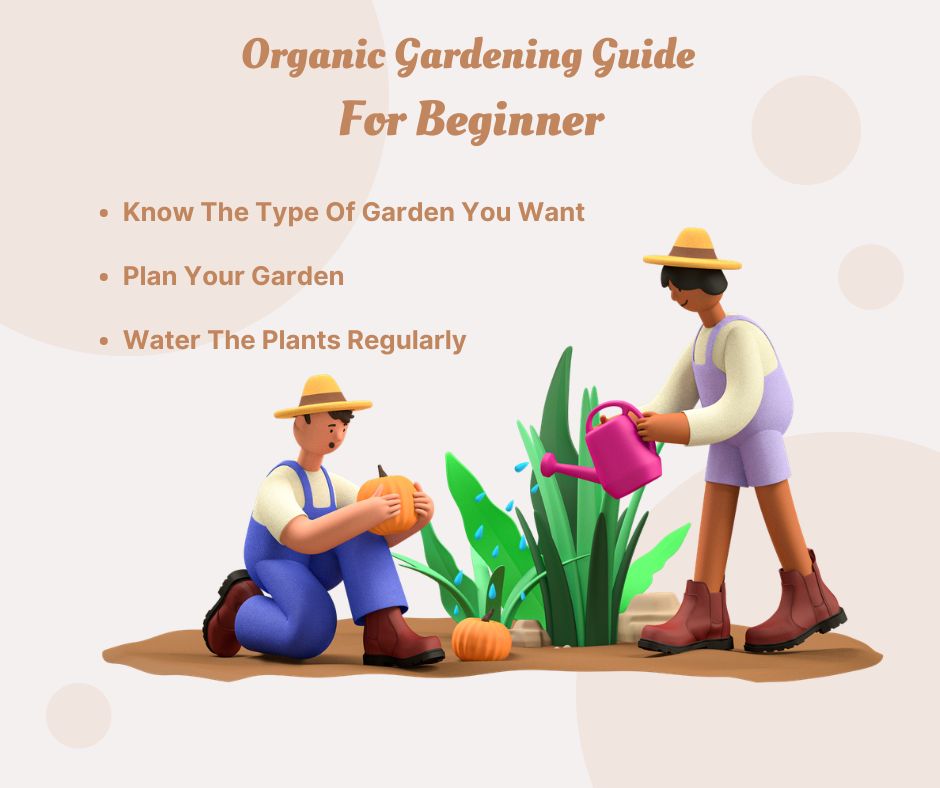
Certainly one of the biggest advantages of natural gardening is that you have complete control over what is going into your meals. Plus, developing veggies, herbs, and flowers organically creates a tremendous domain for birds, bees, and butterflies. Developing an organic garden is in reality simpler than you might assume.
Natural gardening is a manner of developing plant life without using synthetic chemicals like artificial fertilizers, pesticides, or herbicides.
Rather, it uses natural substances and techniques to make the soil richer, manipulate pests, and help flora develop healthily.
In organic gardening, the primary idea is to work with nature as opposed to fight against it.
This indicates the usage of compost and manure to improve the soil, letting beneficial insects assist in controlling pests, and maintaining the lawn surroundings balanced. Healthful soil is fundamental to organic gardening, as it gives the vitamins flora need and supports beneficial microorganisms.
Organic gardening is important because it offers you meals that are unfastened from harmful chemical compounds, safe to devour, and full of nutrients.
It also helps guard the environment by way of enhancing soil first-class, saving water, and lowering pollutants from dangerous chemical compounds. Plus, it helps biodiversity by means of growing a natural domain for bugs, birds, and other creatures.
- A safe garden for people, animals, and birds.
- Improved soil for strong and healthy plants.
- It uses less water, which can help you save on water bills.
- Enjoying healthy, delicious, and fresh food.
- Growing organic food can help you save money on your grocery bill.
- Performing activities like turning the soil, carrying compost, pulling out weeds, and picking vegetables can improve your mental as well as physical health.
Select Your Location:
Fruiting vegetation like tomatoes, peppers, cucumbers, and melons needs complete sun to do nicely. However, don’t fear in case your garden is a bit shady. Leafy vegetables consisting of lettuce, kale, and plenty of herbs can take care of partial sun so long as they get at least 3 hours a day. Keep away from regions near huge timbers or roots that could do away with nutrients and water from your veggies. Additionally, make sure you’ve got smooth access to a water source.When deciding on a vicinity, most greens do exceptionally well in a sunny spot (at least eight hours of daylight every day) that’s sheltered from wind and has lots of water.
Comply with the planting instructions to make certain you plant your seeds or seedlings at the proper depth and spacing. Right spacing also makes it simpler to attain your plants when it’s time to reap them.

The small tomato vegetation you positioned out in spring will soak up 3 square feet of area through the summer season. Rather than rows, take into account the usage of blocks in your garden format. This uses much less area for paths and allows you to plant more.
Soil Test :
Correctly preparing your soil is vital for successful organic gardening because your soil will provide nourishment for your plants. The very first step in your transition to organic gardening is to test your soil.
You can learn the basic texture and pH of your soil through the soil test, plus compare existing nutrient levels to determine the nutrients in your soil you will need to add for proper plant growth. Poorly grown plants will be under stress throughout their lives, therefore making them susceptible to insects and diseases.
Among other factors, a soil test evaluates acidity versus alkalinity (pH), which can affect how well plants grow. The ideal pH for a vegetable garden is 6.8 (this is the pH level at which most nutrients are available to your plants). Your soil test will provide information about the pH of your soil and will recommend how to increase the pH of acidic soils by applying lime or how to reduce the pH of alkaline soils by applying sulfur (both lime and sulfur can be purchased from your local garden center).
Your soil test will also provide the current levels of nitrogen, phosphorus, potassium, calcium, and other natural elements that you need for your plants to thrive.
Compost:
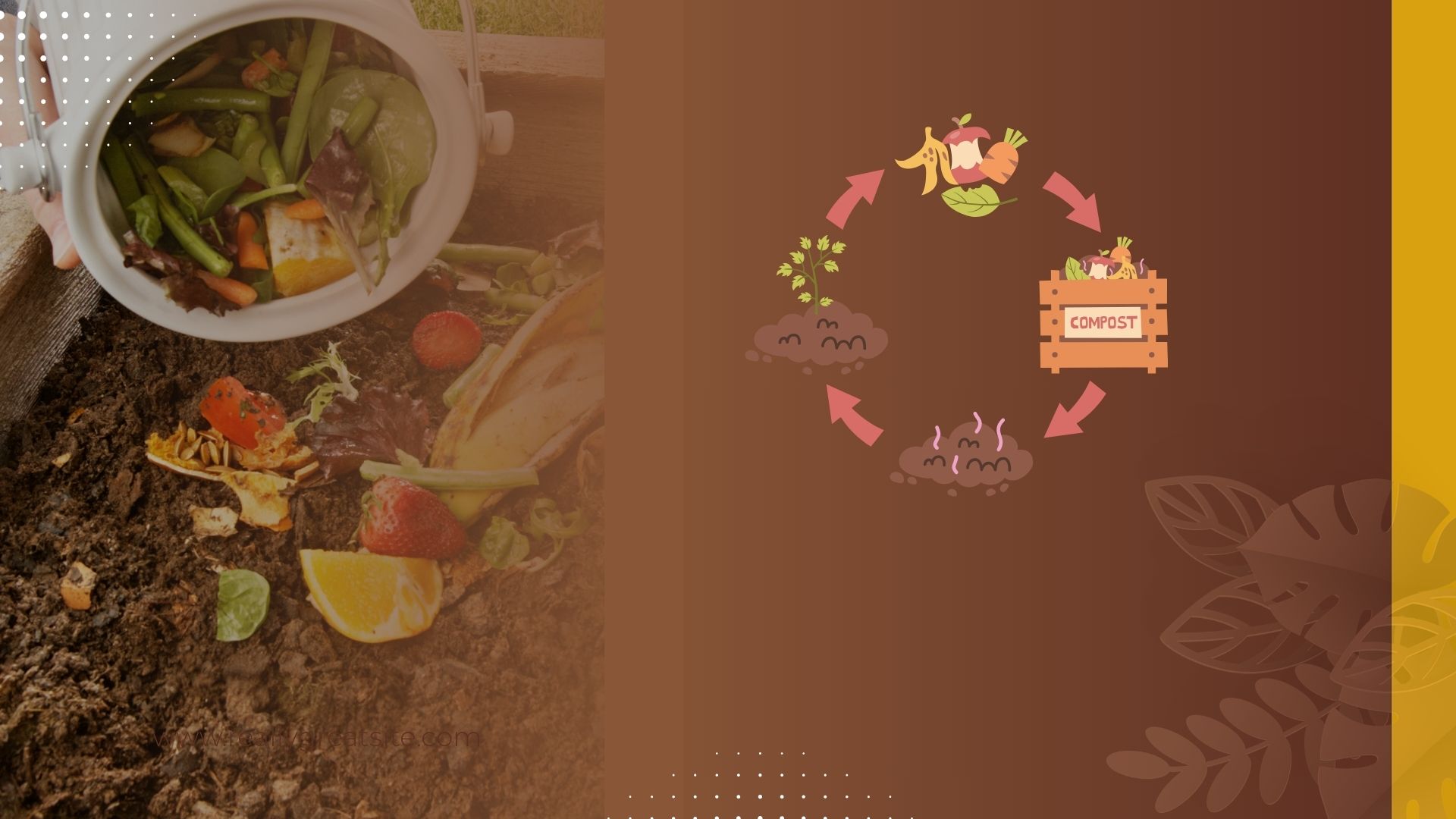
In case you don’t already have a compost pile, start one now in a nook of your yard.
Compost is the high-quality sort of soil conditioner and slow-release plant food you could use—and it is free to make! It is packed with tiny vitamins that help beneficial soil organisms grow, build soil fertility, and make any form of soil better.
Making your very own compost is one of the nice methods to improve your soil.
It has critical nutrients, helps the soil breathe better, and is complete with useful microbes. You could without difficulty make your personal compost pile at home through using natural materials you locate in your yard and around your kitchen. You could also buy finished compost from a nearby lawn shop or soil supplier. They normally have differing types like several–cause compost, mushroom compost, manure compost, and malicious program castings.
Another way to compost is called vermicomposting.
It makes use of red worms to break down things like kitchen scraps, paper, cardboard, eggshells, and espresso grounds into nutritious compost castings. Composting enables speeding up the breakdown manner by means of creating the correct environment for bacteria and fungi to paint. Exact matters to compost consist of banana peels, espresso grounds, and eggshells. Backyard waste like grass clippings and leaves additionally paint without a doubt well.
So, blend some compost into your soil.
It will enhance the soil’s structure, assist it in holding onto water, and make the developing situations higher in your plant life.
Maintain With Mulch:
Cover the soil with a layer of mulch. Besides controlling weed growth by blocking the sun they need to grow, mulching enables keeping the soil moist. It also makes the lawn look neater. A few common mulch alternatives include untreated grass clippings, chopped leaves, aged wood shavings, and pine straw. It additionally adds nutrients to the soil.
It improves your garden soil; this means that your flora develop more healthily and happily.
That’s no longer all!
There’s a lot more to mulching than just improving soil nicely on your lawn. A thick layer of organic mulch no longer handily allows control of weeds by blocking the solar energy they need to grow; however, it additionally facilitates holding the soil moist, so you won’t need to water as much. Mulch also offers your garden a tidy, fine appearance. At the same time, while pine straw and wheat straw are popular mulch picks, untreated grass clippings, chopped leaves, and even aged wood shavings are also good options. Mulch finally breaks down and provides nutrients to the soil too—and your vegetation will love that!
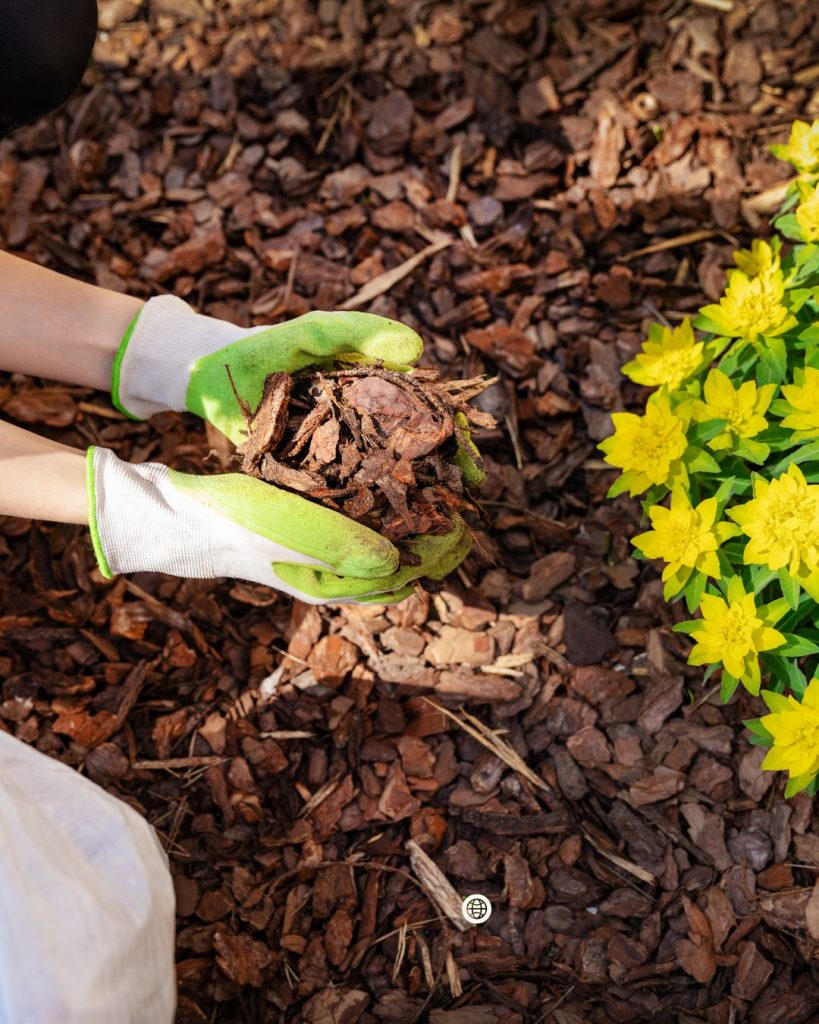
Including organic materials to mulch your lawn makes the soil more proof against pests and illnesses.
For the reason that organic mulch breaks down into the soil, it releases nutrients slowly and gradually, preventing the lack of nutrients in plants.
Mulched soil keeps moisture for longer, so you use less water. Mulching additionally reduces water runoff at some point during the monsoon season.
Mulch acts as an outstanding insulator for the soil, helping to adjust temperature and decrease plant strain from excessive temperatures.
Mulching is one of the simplest ways to create a barrier towards undesirable weeds that grow within the garden.
It frequently stops weeds from developing, lowering opposition for the various plants’ vitamins.
Mulching your lawn soil usually increases the biological activity in the soil.
It benefits microorganisms and offers food for creatures like earthworms.
It even gives a secure and cozy domicile for plant-friendly bugs consisting of floor beetles and female beetles.
Applying mulch to sandy soil allows it to bind collectively, at the same time as mulching clay soil loosens it up, making it greater fertile.
Gardening is all about recycling and reusing organic materials.
You can recycle your waste like grass clippings and leaves and turn them into mulch for your lawn soil.
Decide What To Grow:
When starting out with gardening, it seems so natural to want to grow many different types of vegetables, fruits, and flowers. However, you should try to keep it as easy as possible.
Choosing what to grow in your garden is one of the most crucial steps in gardening. If you pick foods that your family will enjoy eating, then you will not have wasted money on growing uneaten food. Some types of vegetables will produce more fruit than others (e.g., zucchini and tomatoes), while others will only yield a single harvest (e.g., carrots and garlic). It’s also important to look for varieties that are appropriate for your garden, including its location and climate.
Plants that are suited to your area will usually grow better and will likely be less prone to pests and disease. Therefore, you may not need to use as many fertilizers or chemicals on these plants. In addition, if you grow from seed, your seeds will have already been somewhat conditioned to your gardening environment and will be more successful.
Recommended easy vegetables for new gardeners:
• Carrots
• Cucumbers
• Beans
• Lettuce / salad greens
• Onions
• Peas
• Peppers
• Radishes
• Tomatoes
Organic Seeds:
Deciding on organic seeds and flora is a critical consideration in natural gardening. While searching out natural alternatives, search for “certified natural” labeling because of this, so the seeds and plant life meet the USDA National Organic Program’s strict quality standards. Developing natural seeds and vegetation takes extra work and care, so they are normally much higher priced and much less to be had than traditional seeds and flora. the use of organic seeds is an critical a part of organic gardening, as it provides assurance that your vegetation are developing certainly without out the use of harmful chemical compounds. maximum Natural seeds also are non-GMO and untreated.
This means that they haven’t been genetically engineered or handled with chemical substances or insecticides. This enables you to maintain your crops’ natural state and supports natural methods of developing. Flowers that are started from organic seed typically show elevated fitness and higher adaptability to developing situations, which creates more potent flowers and extended resistance to pests and illnesses. The capacity to use organic seed permits gardeners to help sustainable growing practices, growing safe and chemical-free fruits and veggies.
Water Properly :
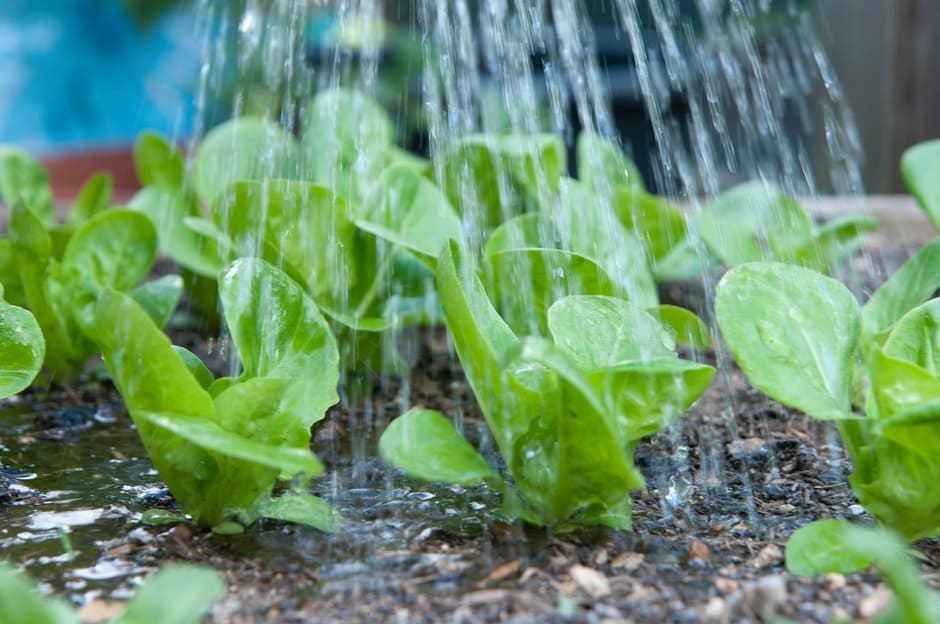
Too much water or no longer enough can both be harmful. A great way to check is to stick your finger into the soil about an inch deep. If the soil feels moist, don’t water it. If it feels dry, then water it at the base. Watering the leaves isn’t beneficial and can result in troubles like diseases. The satisfactory technique for watering an organic lawn is drip irrigation.
Newly planted seeds need common watering, perhaps even each day.
Newly planted plant life usually needs watering every 2 to 4 days. With the aid of overdue spring, you may water less often, but make certain the water goes deeper to assist the roots to grow down.
Of course, those guidelines can alternate depending on where you live; however, that’s the general concept.
While you water, the time of day matters plenty for how nicely the flowers use the water.
Watering early in the morning is the pleasant time.
In this manner, much less water evaporates, and the plant life can use the water in the course of the day.
Watering in the evening is k, but moist leaves overnight can lead to pests and fungal problems.
Keep away from watering for the duration of the hottest part of the day because tons of the water will evaporate before it even reaches the roots.
Crop rotation:
One of the most effective ways of keeping your organic garden healthy is through crop rotation. Crop rotation is the practice of changing the location of different crops every year. Crop rotation is an effective method of keeping your garden free from insect pests and diseases. The insect pests and diseases that attack specific crops, such as tomatoes, peppers, or eggplants, will survive the winter season in your garden and attack your crops when you plant them back into the garden. Crop rotation will help you avoid the build-up of pests and diseases in the soil.
FERTILIZING:
Water-soluble fertilizers are quicker acting and applied for the duration of the developing season. those can be crafted from fish emulsion, kelp, or seaweed extract. home made liquid fertilizers can be crafted from compost or manure, which are steeped in water and brewed into tea. Liquid fertilizers can be watered into the soil or used as a foliar spray.
Animal-based manures incorporate nutrients and improve soil shape. these may be mixed into the soil earlier than planting and include horse manure, hen manure, and cow or steer manure.
earlier than the usage of fertilizers, test your soil for pH tiers and to find out what nutrients can be lacking. For each sort of fertilizer you propose on using, studies the nutritional content material, ensure it’s the right fertilizer for the proper plant on the right time, and use consistent with instructions.
Natural Pest Controls:
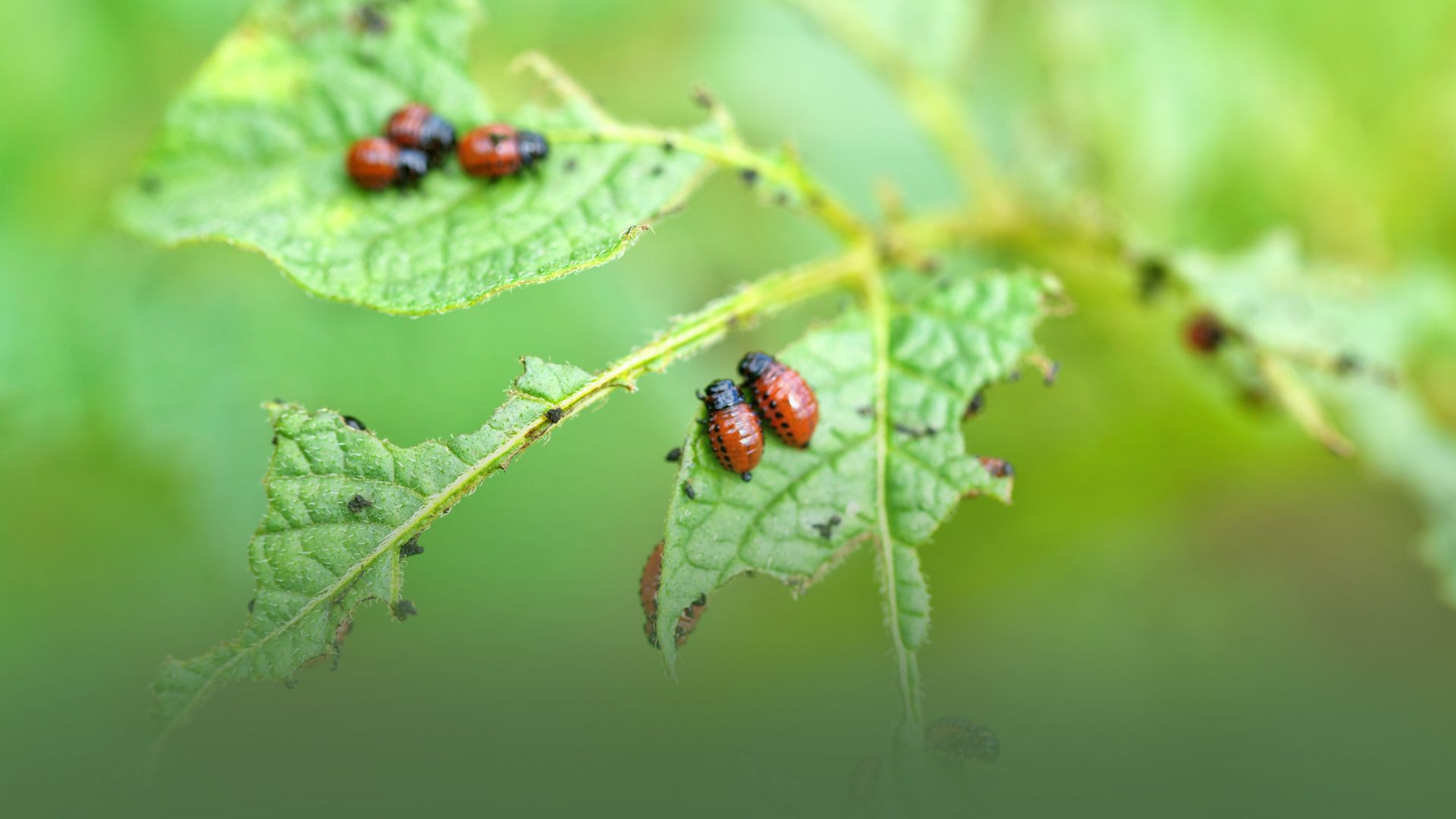
One of the biggest challenges in gardening is controlling or getting rid of the pests.
Garden pests can cause a lot of damage, especially by eating the plants, which can weaken or even kill the plants. Some of the garden pests can also spread diseases among the plants. The pests can be animals like deer, moles, or chipmunks, but the majority of the garden pests are insects. However, not all the insects are harmful to the plants, as some of the insects are actually harmless or even helpful to the plants.
Organic gardeners prefer to control the pests by using natural methods instead of using chemical pesticides or insecticides.
The intention is not to eliminate the pests, but to control them to the extent that they do not damage the plants too much.
Organic farming is all about preventing problems from occurring in the first place. It involves finding out what the problem is and doing something about it before it becomes a bigger problem. It is very important to find out what kind of pests might damage the plants and how you can avoid the problem from occurring in the first place.
Soil Management:
Soil management is an essential factor in organic gardening.
Soil is an essential factor in organic gardening. Good soil is beneficial in that it provides plants with water and nutrients for healthy growth. However, managing your soil is also about how you maintain it as well as how you improve it.
Adding leafmould to your soil can improve its structure as well as its water-holding capacity. Leafmould is rich in nutrients and can improve even heavy soils.
Using green manure in your garden is beneficial in that it can improve your soil structure. Green manure crops include field beans or winter tares. These crops are planted in your garden and left to grow. In springtime, they are dug back into your soil together with their leaves, stems, and roots. These crops can improve your soil structure even if you do not have access to manure or compost. These crops can also prevent your soil’s nutrients from leaching.

Leave a Reply