
Do you know that dracaena fragrans is a very popular and famous houseplant?
It is also known as the Corn plant and may also be known as Dracaena massangeana.
This genus has a number of well-known members that you can have in your home.
With a little bit of care and attention from time to time, corn plant will show off their shiny good looking leaves and help remove a number of indoor air toxins.
Moreover, if you treat them well, after several years you should get a bold ascent specimen with a number of crowns and opportunities for it to produce a small spray of fragrant white flowers.
These are simply beautified with a minimum plant.
Furthermore, they will either come attached and sprouting from a brown textured stem or Ti Tree.
Or the stem will still be “alive” green and resemble that of the lucky bamboo.
Keep on reading to learn more about dracaena fragrans here.
Fast Facts about Dracaena Fragrans
The popular corn plant or dracaena fragrans is a tropical African evergreen tree plant famous in Europe as an indoor plant since the mid-1800s.
While in the U.S the plant has been popular since the 20 century.
Moreover, these plants tend to grow fairly slowly, from thick canes or stems that produce long, narrow leaves like stalks of cron, growing upward.
This growth habit also makes them look like palm trees, which is why you may hear people calling them “false palms”.
They make good house plants as they are tall and narrow, often only reaching about 4 to 6 feet tall in containers.
These plants are not high maintenance, once you get their growing condition right.
Furthermore, springtime tends to be ideal for starting new plants, tough you can also have a pot nursery plants indoors any time of the year.
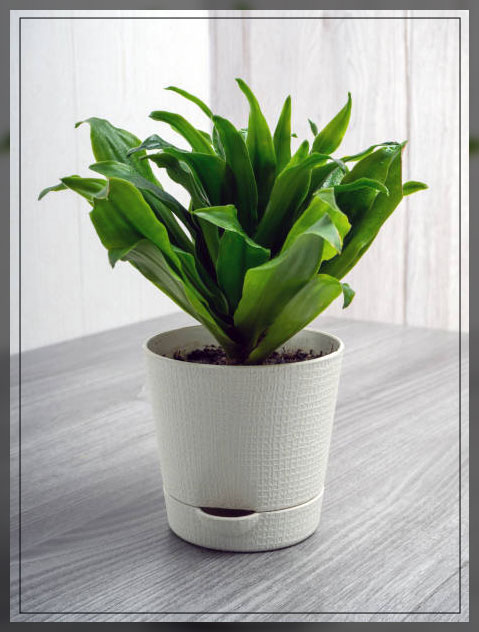
However, it is important to note that if you have cats or dogs, these plants can be toxic to both.
| Common Names | Corn plant, dracaena, false palm |
| Botanical Name | Dracaena fragrans |
| Family | Asparagaceae |
| Plant Type | Broadleaf, evergreen, shrub/tree |
| Mature Size | 15–50 ft. tall, 3–10 ft. wide outdoors; container-grown plants can grow up to 6 ft. tall |
| Sun Exposure | Partial |
| Soil Type | Moist, well-draining, loamy |
| Soil pH | 6.1 to 6.5 (Acidic) |
| Bloom Time | Late fall and then again in late spring; nighttime bloomer |
| Flower Color | White, yellow |
| Hardiness Zones | 10–12 (USDA) |
| Native Area | Tropical Africa (tropics) |
| Toxicity | Toxic to dogs and cats |
Learn more about Pet-Friendly Gardens! here.
Dracaena Fragrans Care
Home gardeners often grow corn plants as large potted plants indoors as they are tropical plants that will need climate-controlled conditions.
Moreover, corn plants will thrive best in indoor locations that are protected against sunlight, drafts, air conditioning, and heating vents.
These plants also prefer a high-humidity environment.
You can also put dracaena fragrans outdoors during the summer season if you place them in a shelter or a somewhat shady location.
Make sure to protect them against strong winds.
Bring the plant indoors once the temperature begins to fall into the 60s F.
Light and Soil Requirments
The best indoor location for this plant is near a window that filters sunlight.
Too little light can result in the leaves losing their color variegation and may also stunt the growth of your plant.
While exposure to direct sunlight can burn the leaves of the plant and cause them to with.
Outdoors, make sure that the location of your plant is a shadier spot and will do best there.
Moreover, a loose, loamy potting soil mix is the best option for growing corn plants.
Make sure that the soil has good drainage as its roots will not do well in standing water.
Water, Temperature, and other Requirments
Keep the soil evenly moist but not soggy during the growing season or spring through the fall.
Reduce watering, however, in late fall to winter.
Never let the soil completely dry out, while soil that is too wet or too dry can lead to plant health issues.
Dracaena Fragrans will do best in temperatures from 60 to 75F. Therefore, avoid exposing them to temperatures in the 50s F.
If you are temporarily moving your corn plants outdoors for summer, make sure that you bring them indoors before the temperature reaches this point.
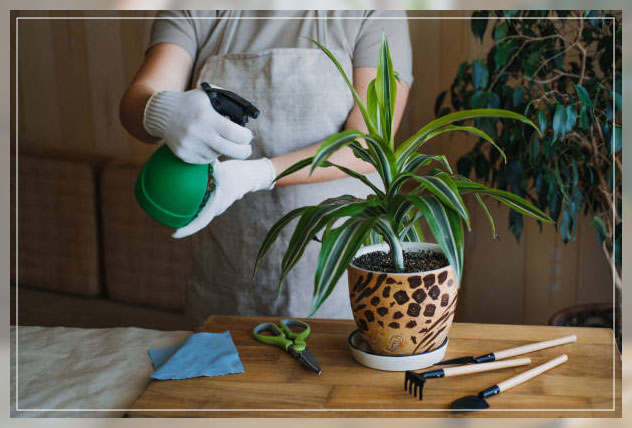
Moreover, maintain a humidity level between 40 to 50% which also mimics the native environment of the plant.
To raise the humidity around your plant, you can use an air humidifier or place the pot on a tray of water pebbles.
However, do not let the bottom of the pot touch water and you can also mist the leaves regularly.
It is important to note that corn plants prefer organically rich soil.
You can use a balanced liquid fertilizer every month throughout the growing season and feed sparingly, if at all, during the winter.
Types of Dracaena Fragrans
Some famous types of dracaena fragrans are:
Dracaena fragrans ‘Massangeana’
This one is one of the most common varieties and features a yellowish lime-green stripe down the center of the leaves.
Dracaena fragrans ‘Lindenii’
The leaves of this one tend to have yellow edges rather than a stripe down the center.
Dracaena fragrans ‘Victoria’
This variety is pretty much just like Massangeana.
Moreover, it also has a yellow stripe running down the center of its leaves, however, it has smaller, wider, and almost triangular leaves.
It is, however, rarely available in garden centers.
Dracaena fragrans ‘Lemon Lime’
This variety tends to have leaves with white-yellow stripes around gray-green centers.
Dracaena fragrans ‘Limelight’
This cultivator has glossy yellow-green leaves that gradually turn lime-green as they mature.
Pruning and Propagating Dracaena Fragrans
One of the important things to note about Dracaena fragrant is that it can begin to yellow in approximately two to three years, which is the natural lifespan of the leaf.
Once the yellowing of the leaves begins, remove them.
However, if the plant grows too big for your space, you can cut the tops of the chances, and new leaf buds will appear near the cut.
It is important that you propagate corn plants during spring or summer.
However, if you keep your plants indoors in a climate-controlled room, you can propagate them any time of the year.
While the best time to propagate them is when the plant starts to grow taller than your room.
Moreover, you can make another plant by cutting the top off the original parent plant.
Aslo, top cutting is a great way to rejuvenate the leaf growth of the plant.
Top cutting or stem cutting is the best method of propagation.
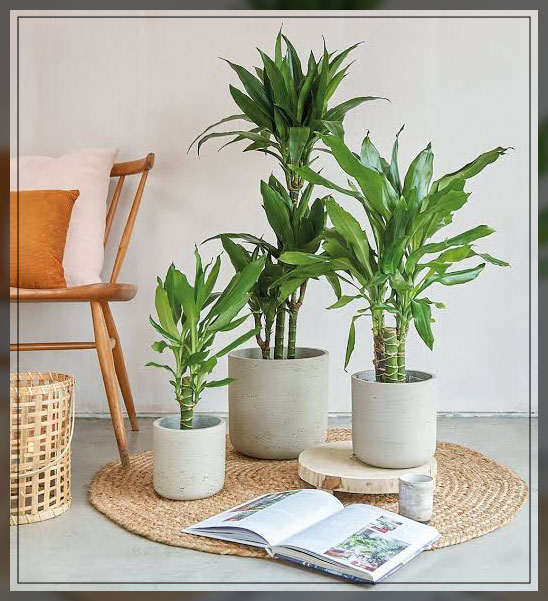
Here’s how you can do it:
- both propagation methods will involve using clean hand pruning shears, a jar of water, a pot, and moist peat moss
- if top cutting is the method, snip the top off the plant just below the leaf lime and include one node, i.e. round white bumps on the stem
- however, if stem cutting is the method, snip an 8-inch stem segment.
- in a clear jar of fresh, filtered water(preferable) submerge the cut end in the jar of water, allowing the other half of the stem to remain uncovered
- place it in a warm, partially sunny spot
- watch for root growth at the leaf nodes underwater and some leaf growth at leaf nodes at the top end
- top off the water every few days as it evaporates, and every other week, change the water completely to discourage algae or bacterial growth
- one the stem produces roots over1-inch long, pot the rooted end in moist, peat moss
- place it in a warm, partially sunny spot
One option you can have is to plant a fresh-cut stem cutting in moist peat moss and watch and wait for new leaf growth.
It will likely grow root, however, you cannot see the root growth, unlike in the clear jar of water.
Moreover, propagation tends to be successful when rooting the stem in water.
To increase the likelihood of soil rooting, you can put rooting hormone on the cutting end.
Growing Corn Plants from Seeds
To enhance germination, soak the seeds of the Dracaena fragrans in room-temperature water for 3 to 5 days.
Sprinkle two to three seeds in a small pot of moistened seed starting mix.
Then cover the seeds lightly with the seed starting mix and place the pot on a warm, germinating mat.
Cover it with clear plastic wrap. Make sure to maintain soil temperature between 68 to 80F under a grow light or bright, indirect sunlight.
Moreover, the soil should remain slightly moist.
However, if the soil is too damp, the seeds can rot. Once you notice some growth, remove the plastic.
It is important to remember that it can take as long as 4 to 6 weeks to see any growth.
Lastly, transplant once the seedling develops two true leaves into a 3-inch pot using potting soil.
Potting and Repotting Dracaena fragrans
Repot your corn plant every year or two into a slightly larger container, about 2 to 3 inches larger and deeper with fresh potting soil.
When you are ready to repot the plant, remove the loose soil around it.
Then carefully lift the plant from its base.
Put a couple of inches of fresh soil at the bottom of the new container and center the plant in its new container.
While making sure you do not damage the roots of the plant during this process.
Fill the space around it with fresh potting soil.
However, do not pack it too tightly, making sure that the container maintains good drainage.
Overwintering and Common Pests
It is important to note that you should bring your dracaena indoors when the temperatures start to go below 60 F.
Or if you have a plant in the ground, you will need to dig out the root ball, if you have a planter large enough for it, and pot it.
However, if you live in an area cooler than zone 10, leave the plant in the ground, and it will die.
Before the first frost, you can take a step cutting or cutting off the plant top, propagate it indoors during winter, and plant it again once spring begins.
Moreover, make sure you monitor your plant for spider mites, trips, and scale which are common problems with a number of houseplants.
These can cause the leaves to look damaged and unhealthy, and you may even notice small insects moving around the plant.
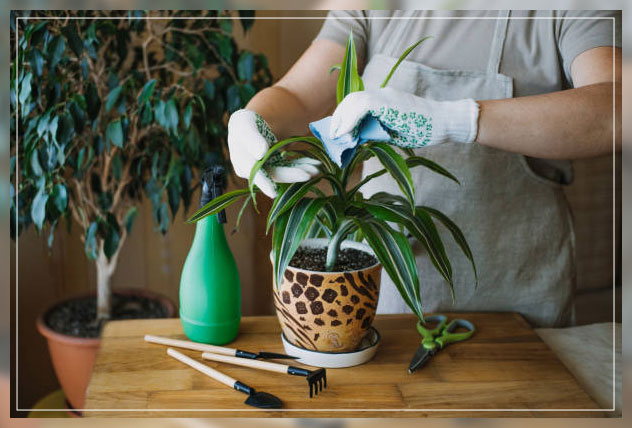
Dust the leaves of the plant regularly with a damp cloth to keep it looking its best and to disrupt pests from colonizing.
Learn more about 9 Flower Garden Pests and How to get Rid of Them here.
How to get Dracaena fragrans to Bloom?
These plants are not reliable bloomers, however, when you grow them in the right conditions, and the plant is mature, i.e. more than 5 years old, it can bloom about one to three times per year.
Chances of blooming, however, reduce when you keep the plant indoors.
The flower stalks emerge out of the center of the leaf whorl and can also grow up to 3 feet long.
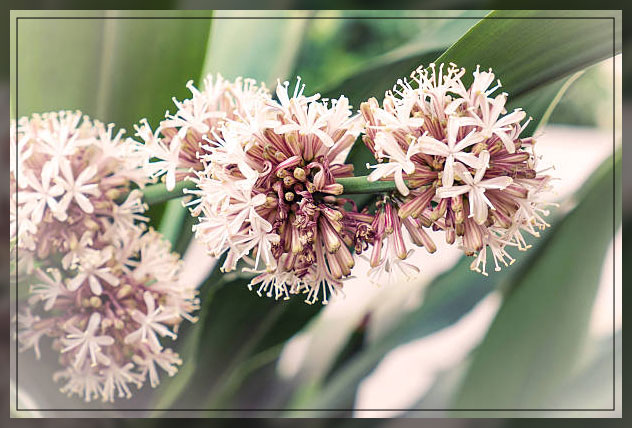
Moreover, the flowers of this plant look like white spike balls, and as its botanical name suggests, it has a sweet fragrance when it blooms.
The scent can smell like a combination of jasmine, lilac, honey, and freshly cut grass.
Furthermore, it flooms as the sun set each night for about a month, and each bloom drops at daylight, spurring another bloom to open the following evening.
Common Problems
The corn plant is an easy houseplant to keep once you get the growing conditions right, which are water, light, temperature, and humidity.
It also does not like cold temps, high heat, or drafty spots.
However, if any of these conditions are prolonged, the plant will likely exhibit some health issues.
Dry Leaf Tips
Plants that get either too little or too much dry air can get dry leaf tips and edges.
Adding a humidifier or misting the plant regularly can help increase humidity. Increase the water you give your plant, but never let the soil get soggy.
Yellowing tips can also occur due to too much plant food or fluoride in the water.
Therefore, use distilled water to avoid leaf tip burn.
Sudden Loss of Leaves
Too much water and poor drainage can cause a sudden loss of leaves or root rot.
Thus, make sure that the soil is well-draining and that the pot of the plant has a number of drainage holes.
Dry Patches on Leaves
if you put your plant in direct sunlight, your dracaena plant can get round dry patches and streaks on the leaves.
Make sure to move to plant to a spot with less sunlight.
Foul Aroma
If you notice the bottom half of your plant blackening or smelling foul it has likely developed soft rot.
It is a bacterial infection with no remedy.
The plant will start to look and smell like it is rotting, while the plant in this condition is not salvageable. So discard it.



Leave a Reply