What are exotic fruits?
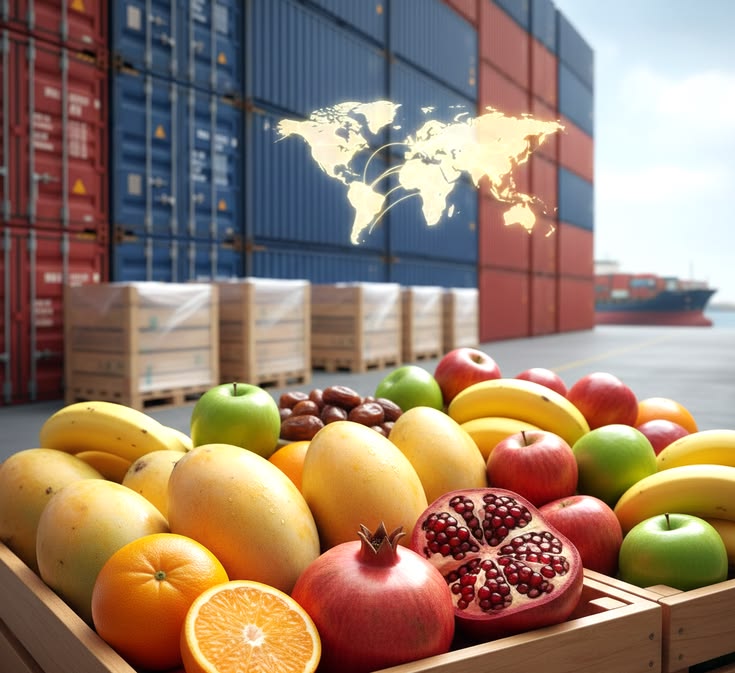
A wide range of fruits from the tropics and subtropics are known as “exotic” fruits. The list of exotic fruits includes many fruits that are not widely spread in global markets, but that might be popular due to their looks, taste, and nutrition. These fruits are considered exotic because of their uncommonness, rarity, and unusualness in a particular region or among a community. Exotic fruit farming is one of the fastest and most profitable agricultural ventures in modern agriculture. Due to this increasing demand for exotic fruits in international markets by demanding consumers, farmers have a great opportunity to tap into international markets and earn high profits.
Exotic fruits bring freshness and color to any meal and provide special flavors and nutrients that enhance the enjoyment of food. These exotic fruits—blueberries, avocados, kiwis, and pineapples, to name a few—are healthy, readily available, and fit for both savory and sweet culinary creations. They are rich in nutrients, as well as being attractive.
They contain vitamins, minerals, and antioxidants and are a rich source of fiber, which can improve immunity, support digestion, and promote cardiovascular health. Blueberries are known for their antioxidant nature, while avocados contain healthy fats. Various exotic fruits in meals can keep the taste buds excited and also provide a host of health benefits.

Examples of exotic fruits include:
Dragon fruit
Avocado,
Kiwi
Passion fruit
Blueberries
Mangosteen
Rambutan
Strategies for Enhancing Export Growth:
The fruit export business is one of the most lucrative sectors in the agricultural market on a global scale. The fruit export business has become one of the most lucrative sectors in the global agricultural market. Conducting a fruit export business involves growing, collecting, and exporting fruits to international markets. Exporting is very different from domestic sales because it requires knowledge of foreign market standards, adherence to regulations, and functioning logistics. Some of the common fruits that are exported include mangoes, bananas, pineapples, avocados, and berries.

Strategies for increasing export growth include a focus on exotic and high-value fruits like dragon fruit, passion fruit, lychees, and avocados. The global market for these fruits is growing fast, particularly in the USA, Europe, and other developed parts of the world. Pakistan, with its suitable climate, could tap into this demand by producing more of these exotic fruits and enhancing the quality of its fruit exports.
Second, there is a need to raise the volume of fruit per hectare. The Pakistani average of 8.23 tons per hectare is relatively low compared to other global averages. Pakistan can enhance the yield through modern agricultural techniques like precision agriculture, drip irrigation, and better soil management methods. Also, increased research and development on agricultural technology will help farmers adopt the best and most efficient farming technologies.
The demand for exotic fruits increases around the world due to changes in consumer habits and rising awareness regarding health and nutrition.
Why the demand is increasing:
– Health Awareness: People are moving toward foods that offer nutrients, vitamins, antioxidants, and other health-related matters. Such fruits as kiwi, avocado, and the blueberry are often referred to as “superfoods.” – Changing Lifestyles: Urban populations seek variety in convenient food choices, including imported fruits. – Expanding Retail Market: The introduction of supermarkets, online grocery stores, and international trade has increased the accessibility of exotic fruits for consumers.
Exotic fruits usually bring in higher profits than traditional crops because they are seen as premium products in international markets. The uncommon nature of such fruits in most regions creates a shortage of such fruits, hence increasing their value.
Why profits are high:
– Limited Supply: Many countries do not widely grow some fruits, such as the dragon fruit, avocado, and blueberries, which makes them rare and more expensive.
– Premium Pricing: Supermarkets and importers in markets such as Europe, the Middle East, and North America are ready to offer a higher price for quality produce.
– Export Value: The farmers get foreign exchange earnings, which generally result in higher earnings than would be if funds circulated locally.
Farming Techniques for Export Quality:
GAP stands for Good Agricultural Practices, and its implementation quality begins from the initial stages of the process. Implementing Good Agricultural Practice (GAP) standards ensures food safety and environmentally friendly agricultural products. This includes a responsible selection of seeds, management of soil and water conditions, prudent use of pesticides during planting, growing, and harvest, and hygiene maintenance. Farmers should also be trained regularly to ensure that the same standards are observed at all times.

Handling and Storage: The duration between harvesting and reaching the port affects product quality. After picking, the crops need to be washed with care, damaged ones removed, and, if the product is perishable, swiftly cooled. It is important to use correct packaging materials that are permeable to air and are not harmful to the environment. Effective regulation of the cold chain during storage helps to maintain the freshness of the produce and prevent spoilage.
Integrated Pest Management (IPM): These are natural, environmental, and farming approaches to dealing with pests to minimize our dependence on chemicals. This is important as it helps satisfy the requirements set by the international community on chemical residues.
Precision Farming: Technology in this category, which tracks various parameters, such as soil, weather, and the amount of water or fertilizer needed, helps make decisions. This ensures that the crops are healthy and yields are maximized.
Crop and Farm Management: Giving plants enough space, trimming them, and planting different crops efficiently uses resources, improves air circulation, and reduces pests. In this way, crop and farm management become sustainable and efficient. Crop rotation, tree planting in farming zones, and growing disease-resistant and high-yielding crops contribute to maximizing food production on farms.
Difficulties in Exotic Fruit Farming :
1. High Initial Investment:
Exotic fruits require huge sums of money to start a farm, which is not easily accessible to most farmers.
These costs involve the purchase of good-quality seeds or young plants, the construction of irrigation systems such as drip systems, and preparing the soil properly. In most of the cases, the farmers are also supposed to construct greenhouses or other protective structures to control the environment. And costs of post-harvest equipment, such as cold storage and appropriate packaging, also exist. Farmers may not realize immediate profits because exotic crops need time before they begin to bear fruit. This implies the fact that good financial planning and money access are indeed crucial to success.
2. Inadequacy of Technical Knowledge:
Farmers do not have the appropriate knowledge or experience since exotic fruits are not often grown in many regions.
These crops require special attention in terms of soil, temperature, watering, and nutrients. In the absence of the appropriate guidance, farmers may face the problem of slow growth, low productivity, or even failure of their crop altogether. Knowing how to prune and when, and how to deal with pests and when to harvest is also important. Different kinds of fruits also require different needs, and this complicates the process of managing various crops even more for beginners. It is quite significant to address this problem by getting training, consulting experts, and carrying out research.
3. Export Certifications and Regulations:
It is not that easy to sell exotic fruits in foreign markets as compared to local markets.
Farmers have to adhere to strict international guidelines regarding product quality, safety, and packaging. Certifications like GlobalG.A.P. and phytosanitary papers are usually needed to get into global markets. Adherence to these standards involves appropriate documentation, examinations, and highly regulated regulations regarding the use of pesticides and cleanliness. Any error may translate to rejection of shipments and, hence, loss of money. Knowing how to go about export processes, logistics, and legal regulations can also be confusing. This implies that farmers should be able to keep abreast of the new information or collaborate with the individuals who specialize in exports.
4. Climate Sensitivity of Selected Crops:
Many exotic fruits are highly sensitive to weather, and they require certain temperatures and humidity to grow.
Shocks such as hot weather, frost, or heavy rainfall may damage crops and reduce production. In regions where the natural climate does not fit, the farmers may have to construct controlled environments, making it more expensive. The short growth period of some of the fruits also puts them at greater risk due to climate change. Plant health can also be affected by water shortages (or improper watering). Therefore, the growth of these crops requires proper planning and control of the climate to be successful.
Best Exotic Fruits for Farming:

Dragon fruit:
Dragon fruit is a nutritious fruit whose water consumption is minimal, and it grows within one year, making it highly compatible with modern agriculture.
Avocado:
It is very nutritious with a high protein and oil content and is now becoming increasingly important as an export crop. The fruit is sodium-free and rich in potassium, dietary fiber, and vitamins B6, C, D, and E. It is eaten as fresh fruit, in salads, soups, and ice cream, and it is also used to make avocado oil, perfumes, and avocado pastes.
Soil:
Avocado grows successfully on many types of soil as long as they are deep, have adequate water-holding capacity, and are free-draining. Not suited to this plant are waterlogged and saline soils, since avocado is highly intolerant to excessive soil moisture and high salinity. Growing demand worldwide.
Passion Fruit:
Passion fruit is a vigorous, shallow-rooted, perennial vine that climbs by tendrils. It can grow up to 20 ft (6 m or 600 cm) tall, while a cautious expectancy on its life span would be 3–5 years. It is primarily cultivated for the fresh market and juice preparation. Furthermore, it is preferred, with small-scale farmers preferring good returns. Exports mainly to Uganda and Europe: France, Denmark, and the UK.
Kiwi:
Kiwi is a highly valued exotic fruit best suited to the cooler and temperate regions. It requires moderate temperatures, well-drained soil, and appropriate chilling hours for its successful growth. Kiwi farming yields well in areas where the summers are not too hot and the winters are cold.
The fruit is rich in vitamin C, antioxidants, and fiber, which has led to demand for this fruit in international markets. Kiwi is therefore sold at premium rates internationally, thus making it a lucrative fruit for farmers.
Nonetheless, kiwi requires proper training systems (trellising) and meticulous management for quality production. Kiwi farming with proper conditioning and care can become a stable, high-income agricultural venture.
Blueberries:
Blueberries are regarded as a premium fruit with high demand in the global export markets owing to their high nutritional value and health benefits. They are rich in antioxidants and popularly consumed as a “superfood,” which is an added value in increasing their market price.
However, it takes very particular soil conditions, especially acidic soil with pH levels between 4.5 and 5.5, to farm blueberries. They also need to manipulate the soil composition, irrigation, and organic matter content to ensure optimal growth.
They are sensitive to improper conditions, and even trivial errors in soil management may impact the yield and quality of fruit. Furthermore, they also rely on constant watering and protection from harsh weather conditions. Despite these challenges, however, blueberries have high returns as their export value and global demand continue to rise.





Leave a Reply