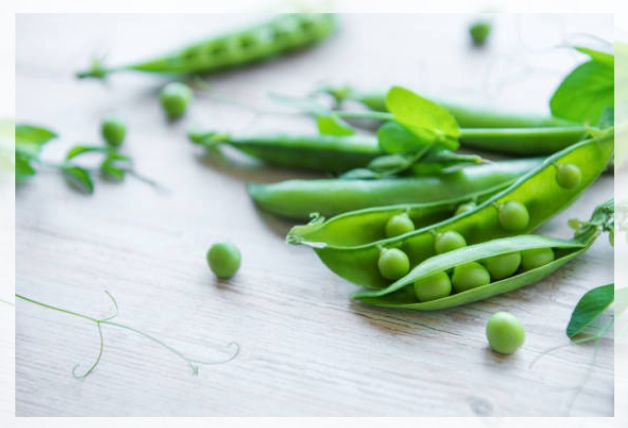
If you are looking for a guide to growing sweet peas, you have landed on the right page.
Nothing beats the sweet taste of garden-grown peas, in comparison to the ones you find in the grocery store.
They are nature’s candy off the vines and one of the season’s first crops.
Sweet peas are easy to grow, however, the growing period is very limited.
It is important that you plant them early enough in spring so that they can mature with the weather is still cool.
This means that you will need to plant them in February, March, or April in most cases.
However, you can also grow them as fall or winter crops in warmer regions.
Sweet peas do not stay after harvest, so you can enjoy their taste as you can.
The peas you find in the grocery are starchy in taste, which is of no comparison to garden-fresh peas.
Keep on reading.
Sweet Peas
Sweet peas plant, Pisum sativum is a cool-season annual crop that you can primarily grow for edible seeds, and in some cases for seeds pods.
It is important to note that these are short, bushy varieties as well as long vining ones.
Moreover, there are three main types that you can grow to eat: sweet peas or garden peas.
They have starchy seeds and inedible pods.
Snow peas, which have small seeds and flat edible pods, and snap peas which have large seeds and juicy pods.
Peas are often planted in the spring, though you can also grow them in the fall.
They have a fairly quick growth rate.
Learn more about Annuals vs. Perennials: Overview here.
Quick facts about Sweet Peas
Some quick facts about sweet peas are:
| Common Name | Pea, garden pea |
| Botanical Name | Pisum sativum |
| Family | Fabaceae |
| Plant Type | Annual, vegetable |
| Size | 12–18 in. tall, 6–12 in. wide |
| Sun Exposure | Full sun, partial sun |
| Soil Type | Moist, well-drained |
| Soil pH | Acidic, neutral |
| Bloom Time | Spring, fall |
| Hardiness Zones | 2–11 (USDA) |
| Native Area | Europe. |
How to Plant Sweet Peas?
To plant sweet peas, keep in mind the following:
When to Plant: You can directly plant the seeds in your garden roughly four to six week before the last projected spring frost date in your area.
It is important to note that pea plants do have some frost tolerance, though prolonged periods of temperatures well below freezing may kill the earliest planting.
You can try using a cold frame to shelter your plants if you live in a region with a cold climate.
Moreover, a number of areas can accommodate a late summer or fall planting at about 6 to 8 weeks before your projected first fall frost date.
Selecting a Planting Site: You will need to pick a sunny spot that has sharp soil drainage.
Make sure to avoid a garden location where you have previously grown sweet peas.
A crop rotation of several years is the best option as pests and diseases that tend to target peas can linger in the soil.
Moreover, you can also choose to grow sweet peas in the container.
If you do not have good soil drainage or get lots of rainfall in the spring that results in wet soil, you can consider growing peas in raised garden beds.
Spacing, Depth, and Support: Make sure to plant seeds about 1 inch deep and 2 inches apart.
Rows should be at least 7 inches apart.
If you have a vining variety, make sure to add poles or pea fencing at the time of planting.
Sweet Pea Care
When growing sweet peas in your garden, keep in mind the following:
Light: It is important to note that peas tend to thrive best in full sun which means that they will need at least six hours of direct sunlight on most days.
They can, however, tolerate a bit of shade, though this can hinder the production and affect the taste of the peas.
Soil: These plants tend to grow in a variety of soil types as long as there is good drainage.
Moreover, in order to get the best results, make sure to plant your peas in loamy soil that is rich in organic matter.
A slightly acidic to neutral soil pH is ideal for your pea plants.
Water: Proper watering is one of the most important factors to consider for a successful pea crop.
Do not let the soil ever fully dry, but also do not let it become soggy.
An inch of water per week is sufficient for this plant.
Temperature and Humidity: This plant will do best in mild temperatures of about 60 to 70 degrees Fahrenheit.
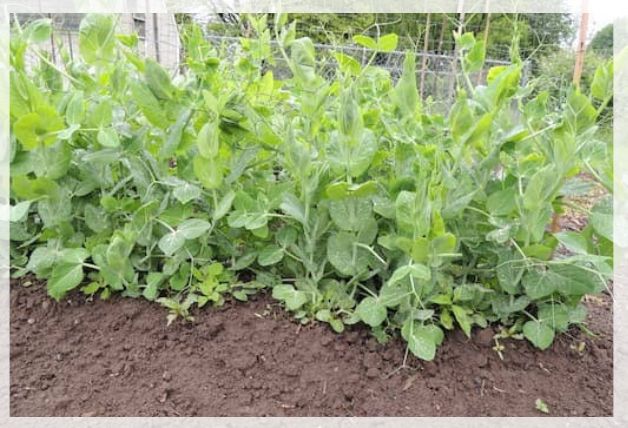
Though they do have good cold tolerance.
Once the temperature is warmer than 85 degrees Fahrenheit, the plant tends to struggle.
Humidity often is not an issue as long as the soil moisture needs are met.
Fertilizer: This is often not needed for pea plants.
However, adding compost can be helpful to the soil before planting, especially if you do not have nutrient-rich soil.
Moreover, you can also give your plants a boost with some organic liquid fertilizer when the seedlings first emerge.
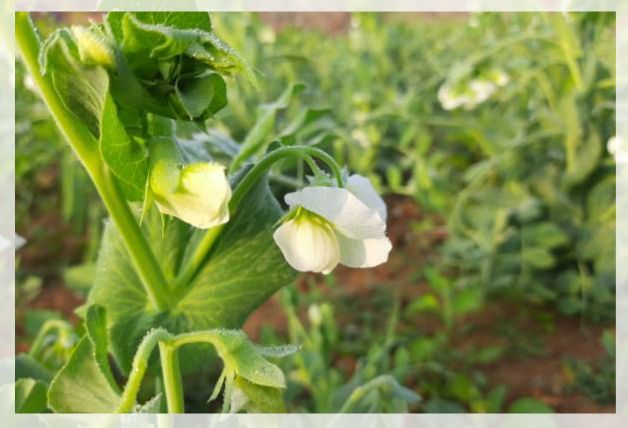
Pollination: It is important to note that peas are self-pollinating plants.
There are no separate male and female plants.
Types of Peas
There are a number of different types of peas. These include:
‘Green Arrow’: This one is a vining garden pea that tends to produce high yields.
‘Early Snap’: This one is ready for harvesting earlier than many other varieties.
‘Snowbird’: This one is a snow pea that tends to have resistance to fusarium wilt.
Sweet Peas vs. Black-eyed Peas
Pes and black-eyed peas may have a common name and are of the same family, however, they are not the same species.
Moreover, black-eyed peas are categorized as beans.
In terms of their growth, they tend to prefer much warmer conditions than peas.
Learn more about Black Eyed Beans here.
Harvesting Sweet Peas
Once your pea plant is in bloom, you will need to check regularly for harvestable peas.
In general, most varieties will take an average of 65 days after you plant them to be ready to harvest.
It is important to note that snow peas are ready to harvest when their pods show small peas inside.
Snap peas are ready to harvest when the pods tend to be plump and glossy.
Moreover, garden peas are ready to harvest when the pods are fully formed but not fully dull or waxy.
The best time to pick them up is in the morning, as they will have the most plumpness then.
You will just need to gently twist the pods off the vines with your hands, and make sure to be careful not to damage the vine and pods that are still developing.
You can use peas at their best as soon as possible after harvesting them.
Growing Peas in Pots
When you do not have space in your garden or the right soil condition to grow peas, you can try a container.
You will need to use a pot with drainage holes that are at least 12 inches wide and deep.
An unglazed clay container is a good choice as it will allow excess soil moisture to evaporate through its walls.
Moreover, make sure to have a plant in a container that will fit that mature size of the plant, as peas do not do well when you transplant them.
Make sure to use fast-draining organic potting soil made for vegetables.
Furthermore, if you are growing a vining variety, you will need to add a support structure to the container.
Pruning and Propagation Tips
For peas plants, you will not need to propagate the plants.
However, you can trim off the small tendrils or shoots for eating.
They tend to have a mild, pea-like flavor that goes well in salads and other dishes.
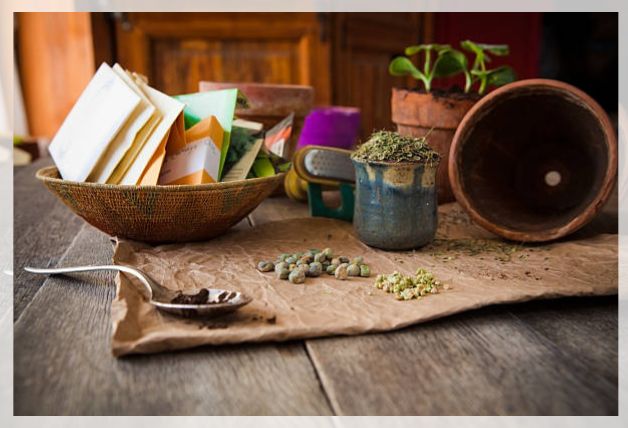
Peas plants can be propagated when you save their seeds.
Not only this is an inexpensive way to produce new plants, but it will also allow you to propagate certain varieties that you enjoy eating.
Here is how to propagate the plant:
- allow healthy pods to remain on the plant to dry
- once they turn brown and you can hear the seeds rattle inside, twist the pods off the plant
- remove the seeds from the pods
- spread them on a screen indoors to fully dry for a few days
- make sure you have only kept the seeds, not the excess plant material
- you can store the dried seeds in an envelope marked with a date, and they will be viable for a few years.
Growing Sweet Peas from Seeds
Before planting sweet peas, you will need to soak the seeds in warm water overnight.
This will help to speed up their germination.
Then, you can plant them in loosened soil.
Make sure that the soil is lightly moist but not wet, as this can rot the seeds.
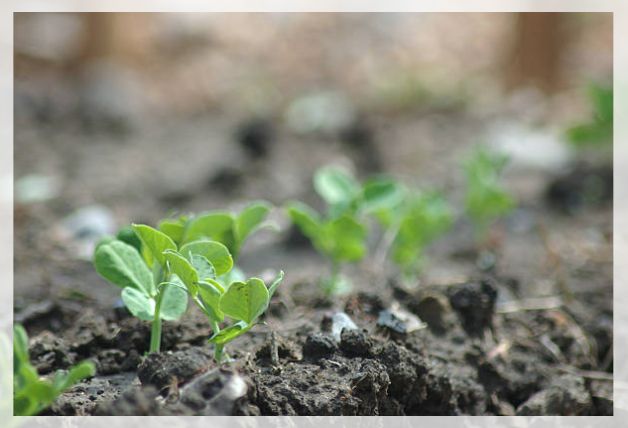
You can expect germination in about a week if the soil is 65 degrees Fahrenheit or above.
The seeds can take about a month to germinate in soil that is about 40 degrees Fahrenheit.
As these plants are annuals, they will complete their life cycle in one growing season.
So overwintering them will not be necessary.
Common pests and Plant Diseases
Pests that can infect your pea plant are aphids, pea weevils, and other insects that can attack both the leaves and roots of the plant.
You can try organic, food safety measures like knocking off the insects with a strong spray of water or using insecticidal soap to mitigate pest problems.
Moreover, you can also grow companion plants to deter insects.
For instance, you can repel aphids by planting rosemary plants.
Fungal diseases like fusarium wilt and powdery mildew can affect your pea plant.
You will need to destroy the affected plants to prevent diseases from spreading.

Leave a Reply