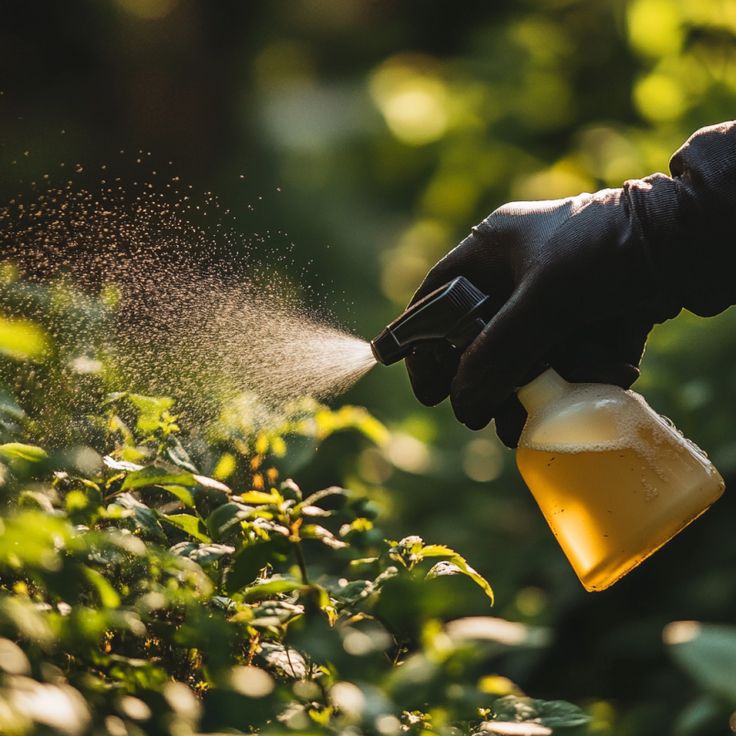
Many living organisms are attracted to a healthy home garden, including insects, birds, and microorganisms. Some insects are beneficial to plants because they pollinate flowers or they prey on harmful insects, but other insects damage leaves, stems, roots, fruits, and flowers. To stop pests, most gardeners immediately turn to chemical pesticides. However, over time, the pesticides harm helpful insects in the garden, pollute the soil, and affect human health.
Natural methods of pest control are safer and ecologically friendly ways of controlling garden pests. Rather than killing insects with powerful chemicals, natural pest control methods emphasize prevention, balance, and long-term plant health. Organic pest control techniques are simple to use on small home gardens and can effectively protect vegetables, herbs, fruits, and ornamental plants.
Why Natural Pest Control Is Important:
Natural Pest Control maintains the garden’s ecosystem balance. Instead of destroying all insects, it helps to control harmful pests while protecting useful organisms such as bees, butterflies, ladybugs, and earthworms.
Benefits of Natural Pest Control
Safe for Humans and Pets
Chemical pesticides may have harmful residues on fruits and vegetables. Ways of natural do away with health risks for families and pets.
Protects Beneficial Insects
Pollinators like bees and butterflies play an essential role in plant reproduction. Organic methods help preserve these beneficial insects.
Improves Soil Health
Natural gardening practices encourage healthy micro-organisms in the soil, hence soil fertility and plant growth.
Reduces Environmental Pollution
Chemical sprays can contaminate groundwater, air, and plants around the. Organic solutions are more beneficial to the environment.
Cost-Effective
Many natural pest control methods use simple household ingredients such as garlic, soap, chili, and compost, which are affordable for home gardeners.
Common Garden Pests:
Before deciding on treatment, an appropriate identification of the pest is necessary.
Aphids
Small, soft-bodied insects that suck sap from the leaves and stems. They weaken plants, and the leaves start to curl.
Whiteflies
Insects of white color and very small size which are mostly found under the leaves. They destroy plants by sucking plant juices.
Caterpillars
The larvae of butterflies and moths make holes in leaves and fruits.
Spider Mites
Very tiny pests that spin webs on plants and cause yellow spotting on leaves.
Snails and Slugs
The pests feed on the trembling leaves during humid weather.
Mealybugs
White cotton-like insects that attack indoor and outdoor plants by sucking plant sap.
Effective Natural Pest Control Methods:
Neem Oil Spray:
Neem oil, a by-product of seed oil from the Azadirachta indica tree, is a staple in organic gardening and a potent homemade garden pest repellent. Its active ingredient, azadirachtin, is not an immediate contact insecticide. Instead, it works systemically by disrupting the hormonal balance of the insects, suppressing their appetite, and inhibiting their ability to grow and reproduce. In this multi-pronged assault, neem oil proves to be a natural and powerful homemade garden pest repellent solution to various garden pests.
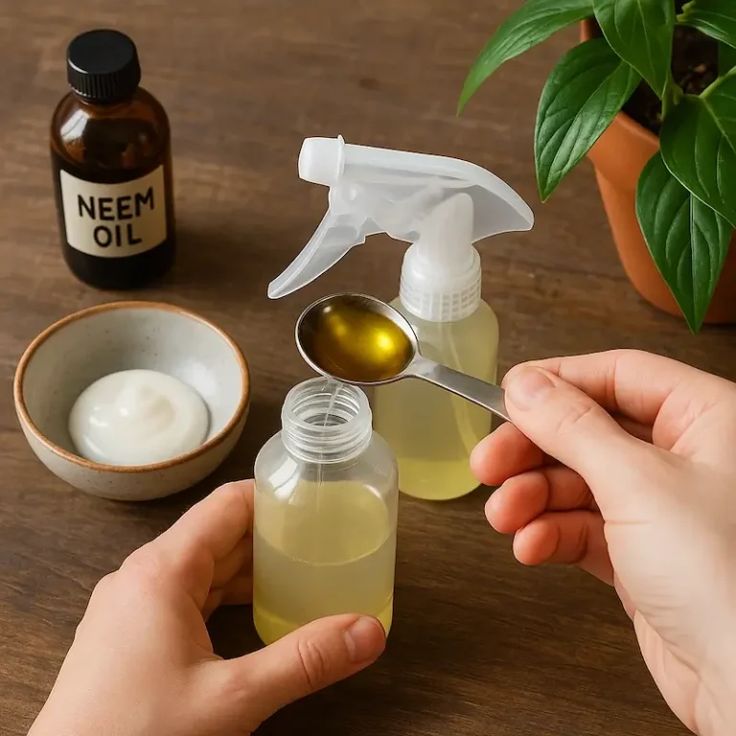
Unlike synthetic pesticides that deliver only a quick and harsh knockdown, neem oil offers a more sustainable control method. Neem oil is also quite effective for combating aphids, spider mites, whiteflies, and mealybugs – all of which have soft bodies. Because the active compound has to be ingested to be effective, neem oil is generally safe for beneficial pollinators such as bees and ladybugs, which do not feed on plant leaves.
How to Prepare and Use Neem Oil Spray
However, it is very easy and affordable to prepare neem oil spray on one’s own. This requires the oil to be coupled with an emulsifier, which will allow it to be evenly sprayed onto the plant leaves.
Ingredients:
1 gallon warm water Neem oil – 1-2 teaspoons of neem oil, preferably cold-pressed with a high azadirachtin content (the most effective compound in neem for pest control). 1/2 teaspoon of any mild liquid dish soap or insecticidal soap.
Preparation & Application:
Put the warm water and liquid soap together in a garden sprayer and mix well. Slowly add the neem oil while agitating the mixture till it is fully emulsified. Spray on all surfaces of plants, including the underside of the leaf where bugs are usually hidden. Do the application in the early morning or evening. Sunlight shining on wet leaves coated in oils can cause them to “burn”. When used as a preventative measure, reapply every 7-14 days or every 5-7 days to control active infestations. Always do a reapplication after any rainfall.
Soap Spray Solution:
One of the most easily available and widely-used homemade garden pest repellent methods, a simple soap spray solution works wonders. Its power comes from its direct mode of action. The fatty acids in the soap dissolve the waxy outer layer, or cuticle of soft-bodied insects, leading to dehydration and death. The spray only works on contact and does not have any systemic or residual effects on the plant.
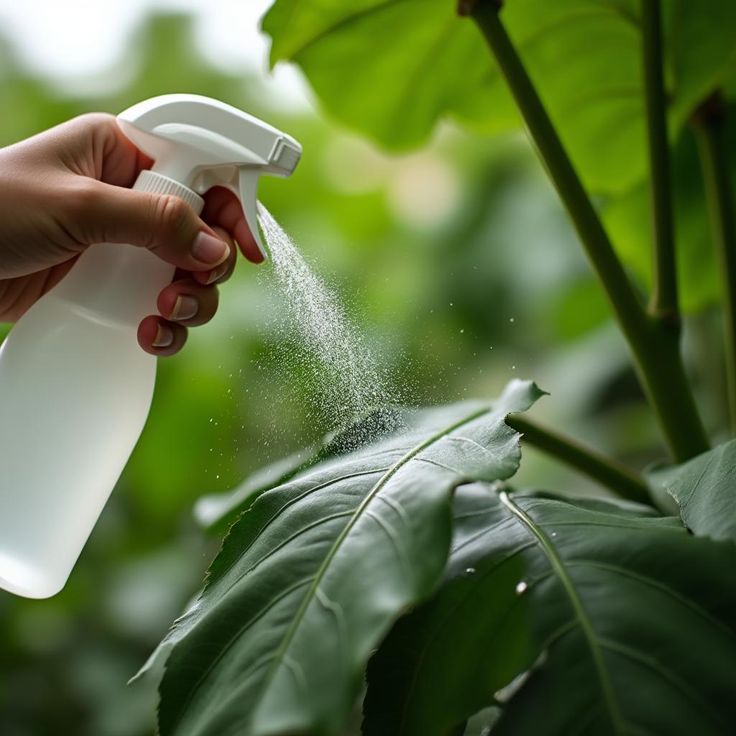
Unlike potent chemical insecticides, a soap spray solution is the gentlest, first-line treatment for the most common pest problems. The soap spray is “particularly effective against aphids, mealybugs, whiteflies, thrips, and spider mites. Spray application must directly coat the pest for the remedy to be effective; it is minimally threatening to beneficial insect populations, such as bees and ladybugs, that are absent from the affected plant. This is an important organic pest-management tool for dealing with specific plant infestations.
How to Prepare and Use Soap Spray Solution:
It only takes a minute to create this basic homemade garden pest repellent using household items. The decisive point is a pure soap, without degreasers, moisturizers, or synthetic detergents, which harm plants.
Ingredients:
1 gallon of water (preferably soft or distilled water to avoid soap scum), a teaspoon or two of mild liquid soap (Castile soap or a non-detergent dish soap is preferable).
Preparation & Application:
Put together the water and liquid soap in a garden sprayer. Stir gently to prevent excessive foaming. Spray thoroughly on all affected surfaces of the plant, focusing on the undersides of leaves, along with stem joints where pest populations are located. Take action during the cool early mornings or late evenings. This will prevent the spray from evaporating quickly, and the leaves will not burn under the sun’s rays. The soap spray is only effective when wet, so reapply every 4-7 days as long as the infestation is active and until the pests are exterminated.
Garlic and Chili Pepper Spray:
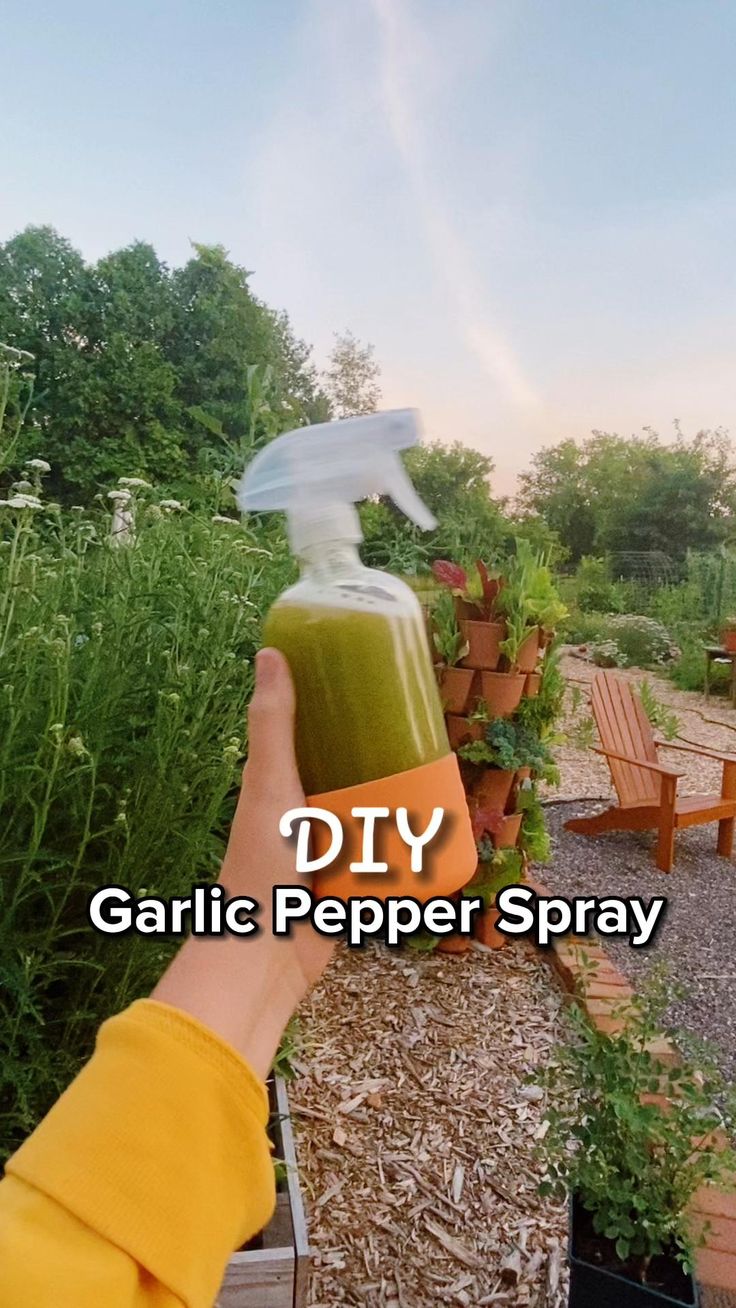
Garlic and chili contain strong natural compounds that repel many insects.
How to Make the Spray
Blend:
1 garlic bulb
2 hot chili peppers
1 liter of water
Let the mixture sit overnight, strain it, and spray lightly on plants.
Benefits:
Repels chewing insects
Discourages sap-sucking pests
Easy and inexpensive to prepare at home
Invite Beneficial Insects:
Nature has bugs like ladybugs, lacewings, and predatory wasps that help to control pests in their own way. They attack the aphids, caterpillars, and mites in the garden and keep the population under control. Plant a variety of flowers, herbs, and native plants to attract beneficial insects to the garden. Wildflowers offer shelter and food for a range of wildlife, including insects, birds, and small mammals. They attract pollinators like bees, butterflies, and hummingbirds essential for the propagation of many plant species.
Practice Companion Planting:
Companion planting entails arranging the right kind of plants in an area with the aim of boosting growth as well as keeping away pests. Basil, mint, and rosemary planted together with crops can keep away pests due to their strong smells. Marigolds also keep away pests. Plant them in your garden to keep nematodes, aphids, and other harmful bugs away.
Employ Physical Barriers:
Physical barriers are a simple yet very effective way of pest prevention for plants. Protect crops from insects with covers such as mesh netting or floating row covers. They allow sunlight, air, and water to reach the plants. Caterpillars, slugs, and other pests can also be controlled by removing them manually.
Practice Crop Rotation and Soil Health:
Rotating crops from year to year can help in disrupting life cycles of pests and prevent the buildup of soil-borne diseases. Composting, mulching, and irrigation can compensate for maintaining healthy soil, increasing the resilience of plants against pests and diseases. Plants grown in healthy soil are less prone to pest infestations and diseases and are in a better position to recuperate after pest attack.
Conclusion:
Natural pest control methods are an effective and sustainable approach to protecting home gardens. Instead of chemical sprays, gardeners can use organic sprays, companion planting, beneficial insects, mulching, and proper care of the garden to safeguard it from pest attack.
Healthy soil, regular plant monitoring, and preventive practices are the basis of organic gardening success. Natural ways may take time and more patience, but they improve the health of plants, people, and other wildlife in their surroundings and also enhance sustainable garden production in the future.

Leave a Reply