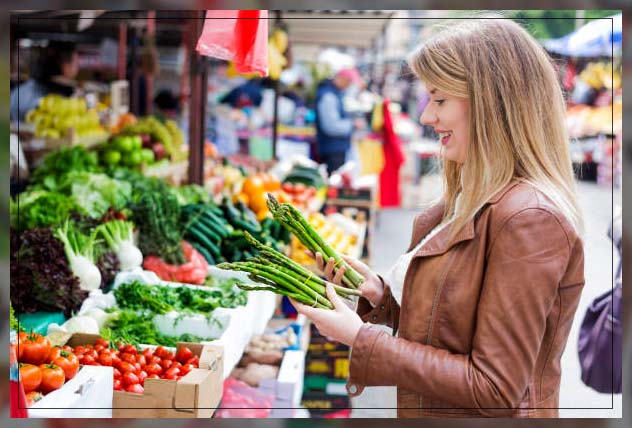
You can easily explore a market filled with colorful, irresistible produce in most of Dubai’s fruit and vegetable markets. In these markets, you can quickly get a glimpse of the fresh produce in Dubai, away from the hustle and bustle of the city center. Most of these fruit and vegetable market are located in places that are easy to reach.
Sprawling with the most extensive array of fresh fruits and vegetables, most of these markets house plenty of the usual stuff. You can also find some of the most exotic and colorful flora found in and around Dubai. Although most of these markets are wholesale, the vendors will still let customers buy in smaller quantities.
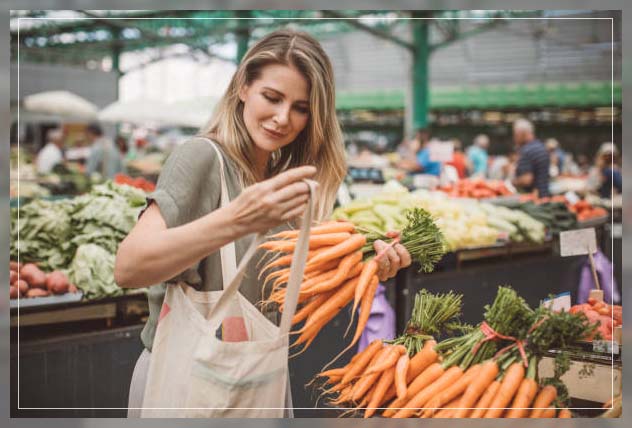
Otherwise, if you visit the market, you can still enjoy browsing around and trying samples from vendors who would happily let you taste some of their delicacies. These are also known as farmer’s market. Do not forget to try the variety of local dates and the more exotic fruits like rambutans, mangosteens, guavas, yams, and Omani bananas. Few of these exotic fruits are very, very special to Dubai.
Popular Fruit and Vegetable Market in Dubai
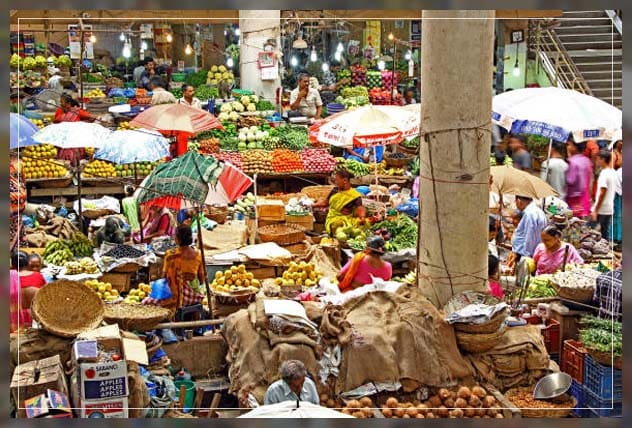
Frenetic as a beehive and as colorful as the towering piles of produce on sale, the Al Awaar fruit and vegetable market is one such place. The market transports visitors back in time to the souks of old Dubai. Merchants, savvy bargainers, and amateur photographers convene under a wooden roof of market roads. Why not join them?
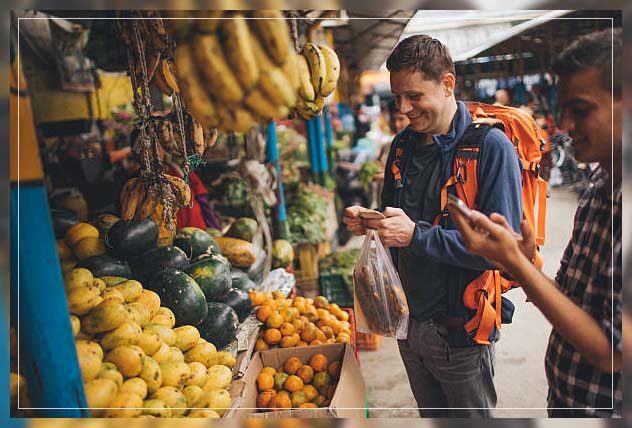
In most of these markets, you can buy enough fruit for a lavish family picnic and dates for your loved ones. Even if you are not buying, come for the smells, sounds, and people that keep this market buzzing alive through the early hours of the morning.
Fruit and Vegetable Market Dubai Overview
The UAE is the second-highest food consumer in GCC. The Dubai fruit and vegetable market was valued at more than USD 3 million in 2018. Moreover, these figures are projected to grow shortly.
The primary drivers identified in this market are favorable UAE government policies. Moreover, there is an increase in consumption of fruits and vegetables among people – due to health consciousness has also been a reason for its growth.
In addition, the fruits and vegetable market in Dubai has a strong distribution and retail network. The country is witnessing a remarkable increase in its agricultural potential. The growth within fruits and vegetables is likely to be driven by introducing new products and improvements in packaging. These ultra-modern facilities may give rise to extended product life cycles.
Key Market Trends
The growth within the fruits and vegetable market in Dubai is likely to be driven by introducing new products and improvements in packaging. These steps give rise to extended product life cycles.
The entire market has been segmented on the basis of vegetables and fruits. There are a few key factors instrumental in changing the market scenario, exploiting new opportunities, and gaining a competitive edge.
Increasing Consumption Affects the Fruit and Vegetable Market
The United Arab Emirates is the second-highest food consumer in the GCC area. Higher disposable income, the rising level of education and health awareness has made the educated group shift to more healthier choices.

Meaning a larger section of the population tends to shift from a carbohydrate-based staple diet to a more nutrition-rich diet. Such a diet includes more green leafy vegetables and fruits.
Due to the rising awareness regarding health issues, the UAE people prefer healthier and nutritious food. That food stuff that are high in quality, organic, and fair priced. With the increasing availability of several varieties of fruits and vegetables in the markets, there is a change in the common man’s diet. They have a remarkably high consumption of fruits and vegetables driving the fruits and vegetable market.
Favorable Government Policies Encourages the Production
In addition, the UAE government is providing subsidies in every aspect of farming. The govt has also announced an agricultural fund, started by the Abu Dhabi Farmers Service Centre or ADFSC.
This fund will help farmers by spending more than USD 6 million per year to support and finance modern farming techniques used on the farmland. The fund has its primary focus on promoting Hydroponic programs. Hydronic farming finds a special place in the arid UAE area. These programs are sure to cover up half of the total cost of production for all the farmers.
In one such effort, Dubai Municipality signed an MoU with Plant Fair way back in 2015. The primary objective of the MoU was to consolidate Dubai’s position as the regional hub for trading fresh fruits and vegetables. It aimed to turn UAE into a global business center for fruits and vegetables.
The Ministry of Climate Change and Environment, UAE, has launched a program to encourage local farming. The ministry is also actively providing farming equipment, including tools for organic and hydroponic farming, at half the price to the farmers. It is done to benefit the local production of tomatoes, zucchini, cucumbers, and eggplants in the region.
Importance of Fruit and Vegetable Market
We all know that fruits and vegetables are vital to human beings for their overall health. This fresh stuff from the Dubai vegetable market provides essential vitamins and minerals, dietary fiber, and phytochemicals. Thus reducing the risk of severe diseases and other medical conditions.
Interestingly, a world vegetable survey indicated around 392 vegetable crops cultivated worldwide. Most of these vegetables are marketed fresh with only a small portion processed. Note that most fruits and vegetables are important sources of many nutrients, including potassium, folic acid, dietary fiber, vitamin A, and vitamin C.
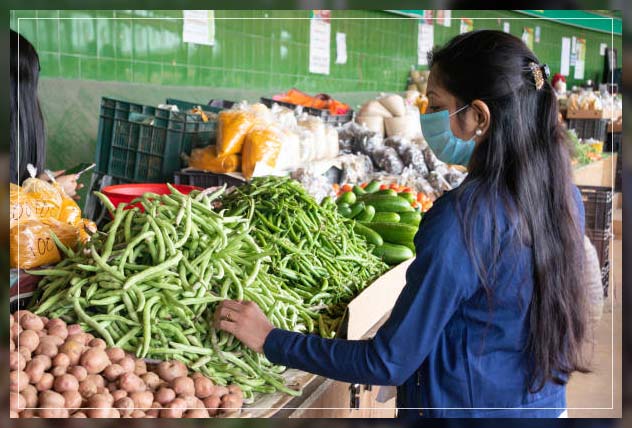
If you choose diets rich in potassium, it might help maintain healthy blood pressure, thus ensuring overall good health. Almost three-fourths of the world’s production of vegetables are grown in Asia, mostly in China, which produces over half of its vegetables.
Commercial vegetable production is a high input and labor-intensive activity that needs a large labor force from cultivation to processing and marketing the product. Vegetables rich in folic acid, in turn, ensure good hemoglobin levels among anemic patients. In turn, the vegetable markets ensure that the locals get a good hold on organic, fresh, and nutritious vegetables.
Benefits of Vegetable Market
Local vegetable markets have sprung up everywhere these days. Many people enjoy the benefits associated with these markets as they drive a few miles to pick up fresh produce and other products.
Are you shopping at your local vegetable market? If not, you should consider these reasons why you should visit your fruit and vegetable market.
1 Farm Fresh Vegetables and Fruits
Most of the vegetables and fruits you find at the grocery store are several days old. Before these farm fresh product hits the supermarket shelves, they are possibly shipped from thousands of miles away. But in the case of vegetable market produce, the stand’s owner generally picks it just that morning. So you know the food is as fresh as you can get if it was grown in your garden.
2 Organic
Farmers participating in vegetable markets often use organic methods to grow their produce. Most of them are labelled as well, to be confident you are purchasing chemical-free products. In addition, they also are more likely to use non-modified seeds. This makes the fruits and veggies more nutritious and tasty. Organic farming is better for the soil, the environment, and last but not least, your body as well.
3 Seasonal and Ripe
Some scientists and nutritionists suggest eating seasonally available foods better for your body. Moreover, you should always try eating produce in the season only. Lighter fruits and vegetables are generally available seasonally during the spring and summer seasons. In contrast, heartier winter vegetables like squash and parsnips provide nutrition for the cooler autumn and winter months.
The produce you get at the vegetable market is generally picked at the peak of their ripeness when the plants’ natural sugars are at their peak. At this stage, the produce also tastes good. Eating produce when they are ripe tastes better and provides the best nutrition possible than refrigerated stuff.
4 Nutritious and Taste Better
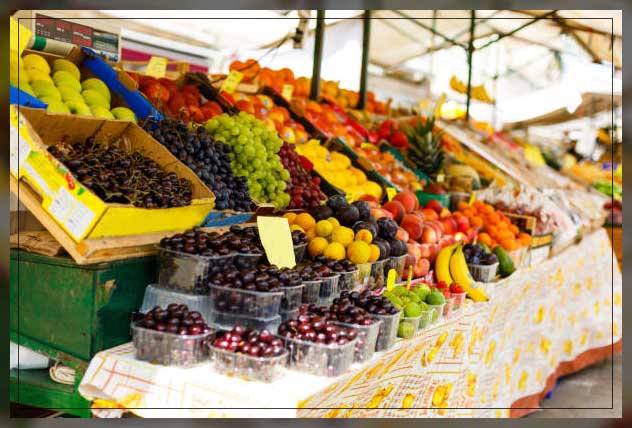
Have you noticed the vivid colors of the produce found in the vegetable market? You can quickly tell just how nutritious the fruits and vegetables are. Compare that to the produce at the grocery store. You will see that the supermarket’s fruits and vegetables are pale in color.
Vivid colors in fruits and vegetables available at the local market reflect their nutrients. Many local farmers cultivate nutritious produce through their careful farming methods. Remember that the produce from the vegetable market always tastes better. Why ? While it was picked use it is picked at the peak of ripeness and is incredibly fresh when it gets to the market. If you start adding local market products to your cooking, you will be amazed at the difference in flavor and texture.
5 Affordable and offers a variety
Grocery stores always charge an arm and a leg for organic vegetables and fruits. However, when you buy organic stuff at the local vegetable market, they are typically not much more expensive and cost similar to normal veggies. However, having these fresh ingredients will benefit your health in the future. You are likely to save money on healthcare expenses over the long term. Small local farms tend to favor variety, offering fruits and vegetables you would not be able to find in your local supermarket.
Conclusion
In conclusion, the local fruit and vegetable market produce is a lot more nutritious. Additionally, it is organic, and inexpensive than that of the produce of the supermarket.

Pingback: Dubai Vegetable Market - Destination for Organic Produce - AAAKSC