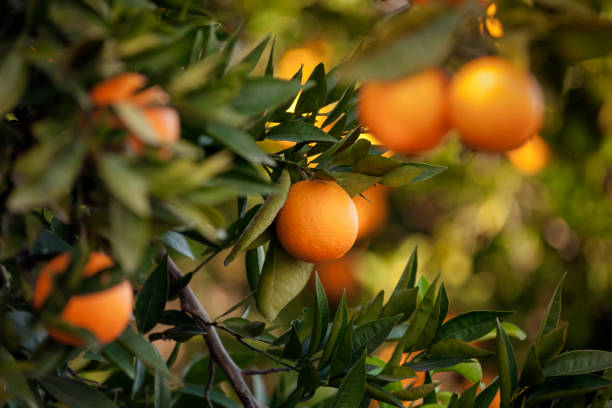
When growing your own orange tree or other citrus trees, the important things to keep in mind are how to plant, where to plant, and how you can care for your budding fruits.
The sweet orange is a tender perennial fruit in the citrus family.
It tends to grow on trees both in full size and smaller, dwarf trees.
Moreover, oranges are summer fruit that tends to grow in warm weather and tend to be very sensitive to cold and frost.
It is important to note that the orange tree is a tender crop.
And you will need to plant it at least 6 weeks after the last frost date when the air and soil temperatures are consistently warm.
If you live in the commercial citrus belt, you can plant orange trees at any time.
This is because they have perennial warmth.
However, before planting make sure to consult the plant hardiness map to determine if your area is suitable for year-round citrus plant growth.
Keep on reading.
Orange Tree
An orange tree is one of the most recognized types of citrus trees that features full, leafy canopies and fragrant flower displays.
Best of all is the delicious fruit this plant produces during the growing season.
A full-size tree tends to grow about 32 feet tall, with dwarf varieties reaching about 12 feet in height.
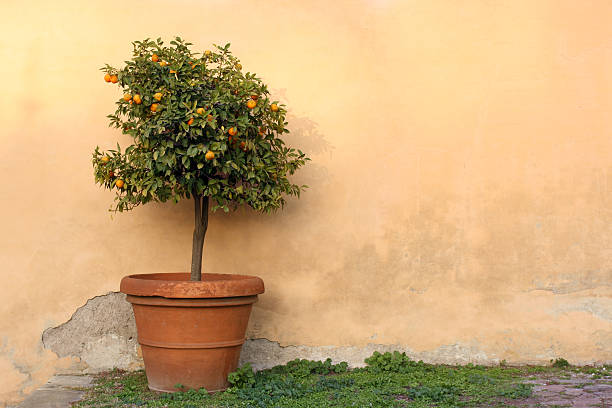
Moreover, you can keep an orange tree smaller when you plant them in containers.
This makes them a great choice for indoor gardening as well.
An orange tree is notable for its white blooms that tend to appear in summer followed by its famous fruit.
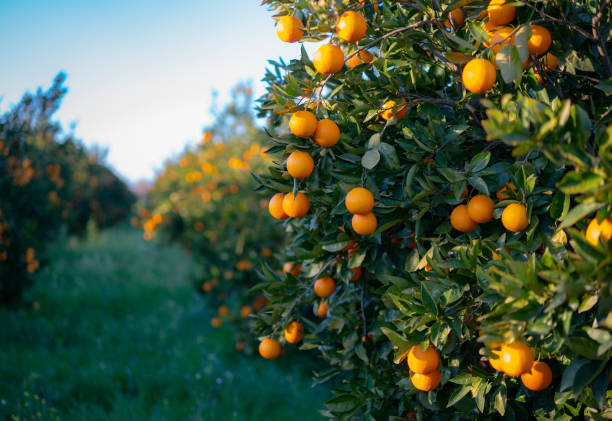
These trees can be planted at any time of the year in warm climates.
However, in cooler climates with significant seasonal variations, grow better when you plant them in spring or summer.
This allows the plant to acclimate before cooler weather arrives.
Though the fruit is delicious, the plant itself is known to be toxic to pets.
Learn more about Poisonous Plants for Pets here.
Quick Facts about Orange Tree
Some quick facts about the orange tree are:
| Botanical Name | Citrus sinensis |
| Family | Rutaceae |
| Plant Type | Tree, Fruit |
| Size | 30 ft. tall (full size), 12 ft. tall (dwarf), 30 ft. wide (full size), 12 ft. wide (dwarf) |
| Sun Exposure | Full |
| Soil Type | Loamy, Well-drained |
| Soil pH | Acidic, Neutral |
| Bloom Time | Summer |
| Flower Color | White |
| Hardiness Zones | 9-11 (USDA) |
| Native Area | Asia |
| Toxicity | Toxic to pets |
Orange Tree Care
The orange tree tends to need plenty of sunshine and warmth, which are the key factors for producing sweeter fruit.
They are susceptible to wind damage so they will need some protection.
As the trees can grow fairly large, depending on variety, make sure to space them about 20 feet apart.
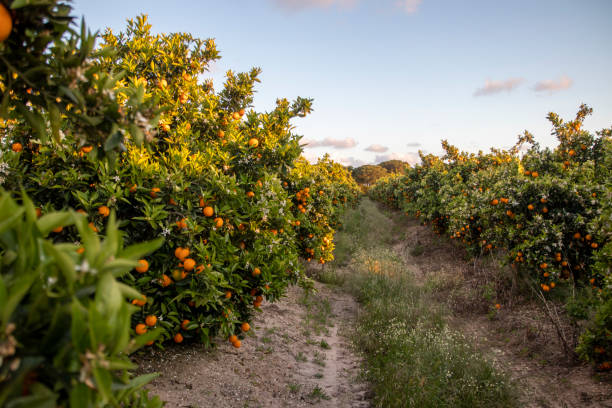
However, for dwarf varieties, 10 feet should be enough.
An orange tree is self-fertile and will not need another orange tree to produce fruits.
But including more than one orange tree in your garden tends to attract more pollinators which can increase fruit production.
Light and Soil Requirements
An orange tree will need plenty of sunshine and warmth to produce the best-tasting fruit.
Thus make sure to choose a spot that receives full sun for eight hours a day.
In the case of dwarf varieties that you grow indoors, place them in a sunny window.
Moreover, the orange tree tends to thrive best in loamy, well-draining soil.
It is important that excess water drains away, as this plant cannot tolerate heavy, wet soil.
When planting this tree, you can mix in potting soil for additional nutrients.
Slightly acidic to neutral soil pH levels from 6.0 to 7.0 tends to work best for this tree.
Water, Temperature, and other requirements
An orange tree will need consistent watering, but do not tolerate soggy soil.
You can improve drainage by building up a small mound at the bottom of the planting hole.
Established orange trees will do best with 1 inch of water a week.
How often you water your plant depends on the amount of rainfall you receive.
Moreover, the orange tree tends to thrive well in subtropical regions with warm temperatures and moderate humidity levels.
You can grow them indoors in USDA hardiness zones 9 to 11 and they will go dormant when the temperature dip below 50 degrees Fahrenheit.
The optimal temperature to grow an orange tree hovers between 60 and 90 degrees Fahrenheit.
This also applies to trees in the ground and pots.
However, it does not depend on the cold tolerance of the type of orange tree you plant.
For instance, a naval orange tree is not as cold-hardy as a mandarin orange tree.
When you grow this plant in cooler areas, it will need fertilizer every month or two during the growing season.
However, in warmer zones, like 10 and 11, fertilizing year-round will encourage continual growth and fruit production.
For young trees, make sure to start with a small amount of fertilizer about half-strength.
Once the tree matures, give it full-strength fertilizer and spread it out around the tree all the way to the drip line.
It is best to use a well-balanced fertilizer like 10-10-10 or one that is specifically designed for citrus trees.
Types of Orange Tree
Some types of orange trees you can grow are:
Navel Orange: This one is a common variety that you find in grocery stores.
These are easily identifiable by their navel-like marking at the bottom of each fruit.
Moreover, this variety is sweet, seedless, and enjoyed both for its juice and as a snacking fruit.
Blood Orange: This one is popular for its unique red coloring and sweet flavor.
These oranges are popular ingredients in prepared dishes and are good for snacking.
Valencia Orange: Another common variety, this one contains a high juice content ideal for juicing.
They do have seeds, however.
Satsuma Orange: This one is a small, sweet, and cold-hardy orange with loose, leathery skin.
And it is better known as Mandarin orange.
Moreover, the tree can take up to eight years to bear fruit.
Harvesting Tips
Harvesting oranges is easy and fun.
It depends on the variety of trees you have to know when picking an orange tree or its fruit.
For instance, navel oranges are ready to pick between November to June.
Valencia oranges are ready to pick from March through October.
Once you find when it is the best time to harvest your tree, look for fruit that is bright and consistent in color, a firm with a slight give, and fragrant.
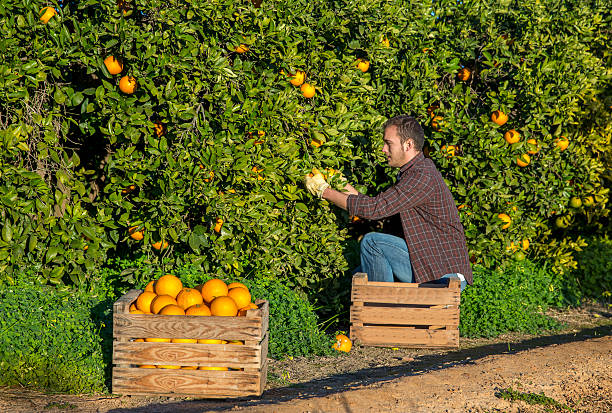
Such are ripe and ready to pick and eat.
Gently pull the fruit from the branch or use snips to cut the fruit from its stem.
However, make sure that it is ready, the oranges do not ripen after you pick them.
You can store oranges in the refrigerator, and last for a few weeks.
Pruning Orange Tree
When you prune this tree after fruit harvest, it tends to benefit the following season’s crop.
In cooler regions of their growing zones, the orange tree is best pruned in the fall after fruiting and before cold temperature arrives.
However, in warmer regions, that are consistent year-round, you can do pruning almost any time but is most effective before new growth begins in spring.
It is important to note the pruning for shape is optimal but not necessary.
Moreover, it is important to prune away damaged or dead branches that cross each other.
This will keep the tree healthy and provides good airflow and light.
For young trees, make sure to remove branches that are less than a foot above the ground.
Propagating Orange Tree
You can propagate an orange tree through cuttings.
This is best done in the late spring or early summer while the tree is producing new growth.
In order to do so, you will need a sharp pair of snips, a pot with rich, well-draining soil, rooting hormone, and a plastic bag.
Then follow the instructions below:
- select a branch tip that is about 6 inches long with healthy leaves and cut it below a leaf node at a 45-degree angle
- remove the leaves on the lower half of the cutting and also remove any blossoms or developing fruit
- score the bark with a clean knife near the cut end of the cutting to encourage root growth
- dip the cut end into rooting hormone and shake away excess powder
- moisten the soil then poke a hole in the center to plant the cutting
- plant the cutting in the hole and firmly press the soil around it
- then place the plastic bag over the cutting to keep the humidity levels up
- place the pot in a warm area that receives bright, indirect light
- allow the bag to breathe daily and check the soil moisture, keep it moist but not wet
- remove the bag after a week or so and allow the cutting to acclimate to average humidity levels, and keep the soil moist
- after roots form, move the cutting outdoors to a partially shaded, protected area
- this can take several months, once outside, slowly expose the cutting to more and more sun until you can directly plant it in direct sunshine
Growing from Seeds
You can start the orange tree from seeds, though it is important to note that the seeds may not produce trees with the same characteristics as their parent plant.
If you want to start a tree from seeds, you will need a bowl of water, a tray, a small pot with rich potting soil, and a plastic bag.
Follow the instructions below:
- before planting the seeds, soak them in a bowl of water for at least 24 hours, dispose of the seeds the float, as they are not viable, and only plant those that stay below the water
- plant the soaked seeds in the rich potting soil about 1 inch deep
- then place the pot in a warm area and keep the soil moist
- place a plastic bag over the pot to keep the humidity levels up, and allow the bag to breathe daily, checking the soil moisture
- once the seeds germinate, remove the bag
- place the seedlings in an area that receives bright light, while your seedlings may also needs grow light
- report each seedling into its own container and keep them in bright light
Potting, Repotting, and Overwintering
Dwarf orange trees are famous fruit trees to keep in pots.
This is a great option if you live in climates that are colder than those recommended for growing citrus.
You can bring a potted tree indoors before the cold temperature hits.
Make sure to choose a deep pot made from wood, clay, or even plastic, however, make sure it tends to have plenty of good drainage holes to accommodate the root system.
You will need to repot an orange tree every two to four years, depending on the tree.
Check for the signs that the tree has outgrown the container like stunted growth or roots coming out of the drainage hole.
Ropotting is best done in the spring before new growth appears.
When repotting your tree, tip the container onto its side.
Tap the outside of the pot to loosen the roots, then grasp the trunk close to the soil and gently slide it out.
Then place the tree into a container that is several inches larger than the previous one and fill it with new, rich soil, and press the soil around the tree.
Lastly, give it water.
When a growing orange tree is in its appropriate growing zones, not much is needed to overwinter.
You will simply need to remove the leftover fruit and cut back on watering.
If there is a threat of frost, you can insulate the tree with frost cloths.
For trees that are growing outside their growing zones, you will need to move the tree indoors before any heavy frost begins.
Common Pests and Plant Diseases
Like many fruit-bearing plants, orange trees are prone to certain pests and diseases.
Pests that commonly attach orange trees include:
- aphids
- scale
- spider mites
- Asian citrus psyllids
- leafminers
Moreover, different fungal and bacterial diseases can affect the trunk, leaves, and fruit of orange trees.
These include citrus canker, citrus melanse, and root rot.
How to get an Orange Tree to Bloom
An orange tree dotted with oranges and delicate white blossoms is a sight to behold.
Orange blossoms, Florida’s state flower, first show as tight little white bugs that then unfurl into sweetly fragrant star-shaped flowers.
Each one tends to have five waxy petals with orange-yellow stamens.
The best way to make sure your tree blooms is to make sure that you are giving it the right amount and type of fertilizer formulated for citrus trees.
Though an orange tree will need nitrogen, too much of it can impede your tree from flowering.
Trees damaged by a long spell of extremely cold weather or a lack of sunshine will often not bloom.
Common Problems
This tree is easy to grow until they show signs of problems.
Frequent examination of your tree is often important to mitigate issues.
You can learn how to recognize when something is potentially wrong with your orange tree.
Yellowing Leaves: In case the veins of the orange tree’s leaves are yellowing, it can be that your tree is not receiving enough nitrogen.
Moreover, yellowing leaves can also indicate root rot from overwatering.
Yellowing leaves may also mean that your tree is affected by citrus greening which is a bacteria transmitted by the citrus psyllid.
There is no cure for this disease, however, you can control psyllids with neem oil or other insecticidal soaps.
Blistering Leaves: Small blistering spots that are brown, brown with yellow halos, or cause holes in leaves tend to indicate that your tree has a citrus canker.
You will need to use copper fungicides to combat the problem.
Excessive fruit Drop: Mature orange trees with excessive fruit drops may indicate that the ground is saturated with water and the tree is stressed, causing it to produce damaged fruit.
Fruit Splitting: Fruit can split its skin during prolonged hot, humid periods.
Moreover, this can also occur when the tree quickly drinks up water after somewhat of a drought period, which can cause fast swelling of fruit and splitting of the skin.




Leave a Reply