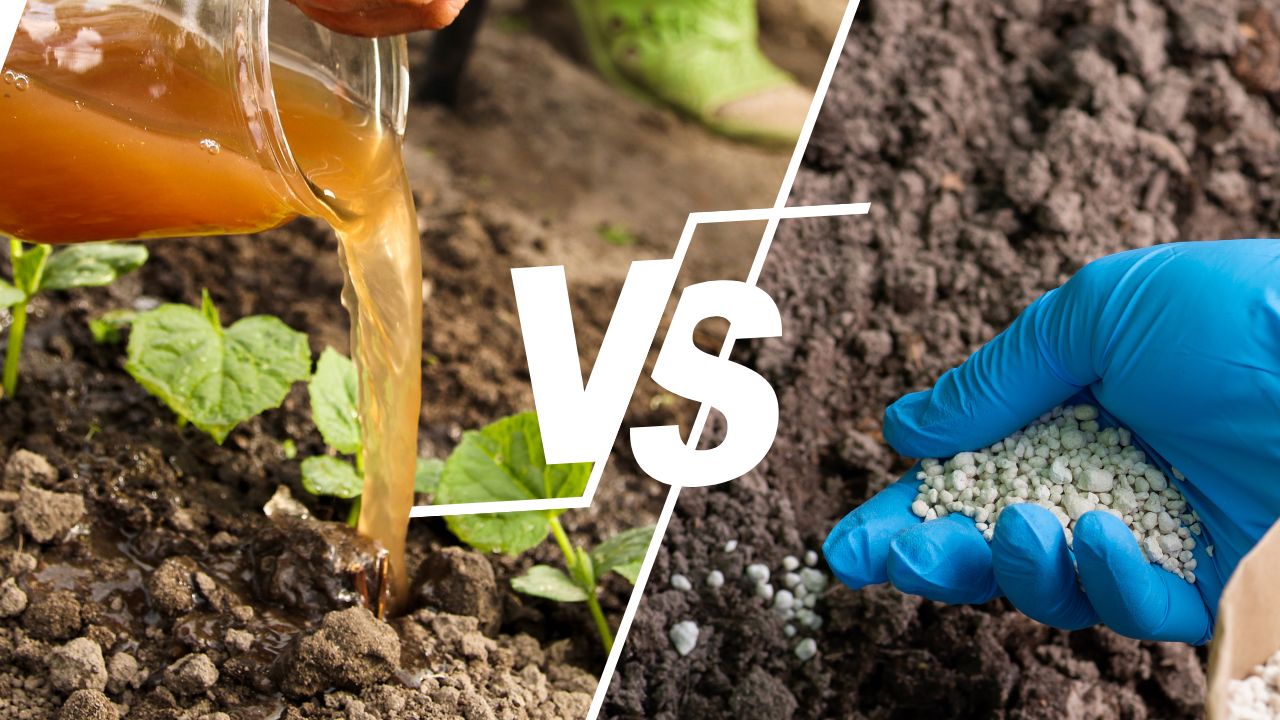
What Is Liquiid Fertilizer?
Liquid fertilizer is one of the plant food types that offer plants important nutrients within a form that plants can use. These fertilizers are specially formulated for quick and effective use by plants, and plants are able to use them through both leaf spraying and root watering.
Liquid fertilizers are best used during critical periods when plants are developing their roots, when plants are developing their leaves and stems, when plants are developing flowers, and when plants are developing fruits.
In soils that are not good for plant growth or when plants are not able to get important nutrients from their soil, using liquid fertilizer by spraying on leaves is recommended.
What Does Liquid Fertilizer Do?
The main purpose of using liquid fertilizer on plants is to ensure plants get their needed nutrients during critical periods.
The main benefits of using liquid fertilizer include:
Corrects Nutrient Deficiencies: Gives plants the main nutrients and trace minerals plants may be lacking or unable to get from their soil.
Boosts Plant Growth: Assists plants with photosynthesis, root development, flowering, and fruiting.
Improves Crop Yield and Quality: Ensures plants are healthy and maximizes plant productivity when used properly.
Regardless of whether you are growing vegetables, fruits, or row crops, using liquid fertilizers on your plants will make a huge difference in their health, as well as balance the soil and plant relationship.
What Is Granular Fertilizer?
Granular fertilizer is a dry fertilizer in the form of small granules. This fertilizer works by releasing the required nutrients gradually into the soil. Therefore, unlike other fertilizers, there is less need for frequent use of granular fertilizer. It is this fertilizer that prolongs the retention of nutrients in the soil and ensures that the plant is provided with the nutrients it requires for growth.
Most of the slow-release fertilizers are such that they need to be applied only once during the growing season. Mostly, the pellets have nitrogen, phosphorus, potassium, and other elements needed by plants. The plant food is thereafter released slowly to ensure that the plant is provided with sufficient plant food it requires. The fertilizer does not contain any sudden surges of the plant food, which could interfere with the growth of the plant.
The time taken by the fertilizers to start the release of the plant food ranges between 3 and 9 months. This makes the fertilizer very useful for a large number of plants, ensuring plant health. Slow release of plant food also ensures that leaching of fertilizer into the soil is minimized, hence protection of the environment. Besides, use of this fertilizer is easy, especially within various garden environments. The said environments include a small lawn, pots, and a large area.
For the fertilizer to take effect, one should spread the fertilizer over the soil, more so in the area where the roots are. The soil should then be watered, and the fertilizer should be checked at regular intervals to know when the plant food needs to be administered again. The fertilizer use is very beneficial, especially in the promotion of sustainable gardening. The use of the fertilizer ensures the health of the plant, hence promoting the growth of the plant. Its use also promotes improvement of the soil, thus, soil conservation. The use of the fertilizer promotes the growth of many plant species, thus protecting the environment. The use of the fertilizer helps in the promotion of the health of the plant and hence protecting the environment. The use of the fertilizer promotes the health of the plant, thus protecting the environment.
Key Differences:
1- Nutrient Absorption:
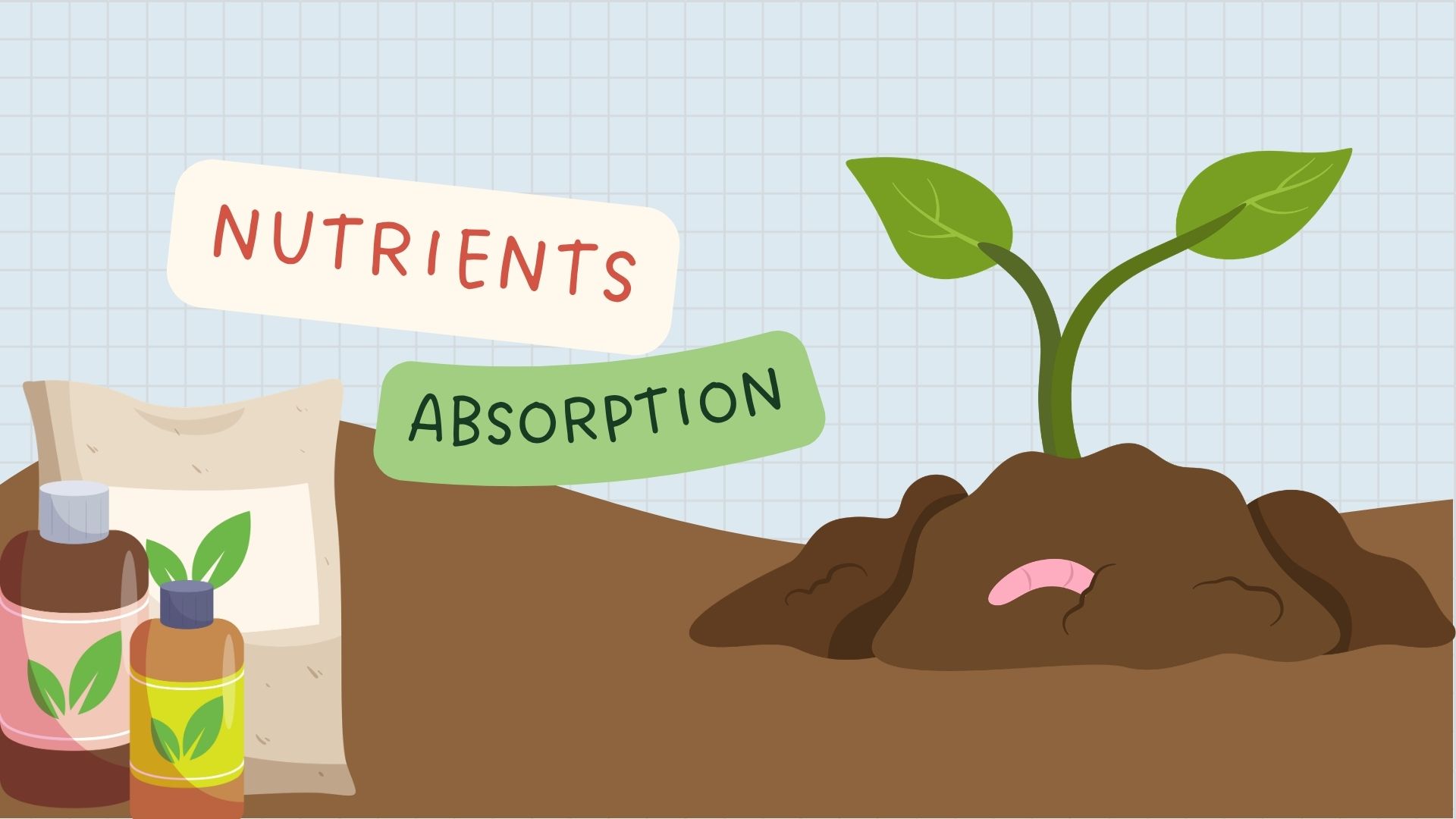
Liquid fertilizers immediately dissolve in the soil and are consequently easily absorbed by the roots or leaves of plants. This speeds up their growth and development. However, solid traditional fertilizers take longer to dissolve in soil, and their nutrients are not readily available to plants.
When the liquid fertilizers are mixed with water, they spread evenly over the entire territory. Thus, each plant receives the same nutrients. When it comes to using solid fertilizers, it’s not always possible to spread the nutrients evenly by hand. Besides, if the solid fertilizers are not properly spread, some of the plants will not get the required nutrients, which can result in poor yield.
First, liquid fertilizers are taken up by plants much faster. This has something to do with the nature of the fertilizer’s components and the behavior of plants during the process of nutrient absorption. Because of this, liquid fertilizers become an advantage for plants that require amplification of nutrients during some stages of growth. This is because the plants are able to take in the nutrients instantaneously, as the fertilizer has directly reached the root zone first.
Nutrition from Soil:
Quick Dissolution: Unlike solid fertilizers with granules or powders, liquid fertilizers are fully soluble when mixed with water. This makes it possible for them to follow water and penetrate plant roots easily.
Direct Access to Stem Cells: The molecular structure of liquid fertilizers does not hold on to the soil colloids, thereby making it easier for the nutrients to pass through the outer membranes of the root cells. This ensures the delivery of nutrients to the plant in a shorter time frame.
Supporting Root Development: Liquid fertilizers with balanced formulas contribute to strengthening root systems in plant growth. The root system of such plants also enables the plants to take in more water and nutrients from the soil.
Granular fertilizers:
Granular fertilizers are solid pieces that you put right on the soil. They are different from fertilizers because they do not melt into the soil immediately. Granular fertilizers take some time to break apart when they get wet from watering or rain.
This slow process has a big effect on granular fertilizers.
* The nutrients in fertilizers come out a little at a time, not all at once.
* Plants get an amount of nutrients from granular fertilizers so they do not get too much too fast.
* There is less of a chance that nutrients from fertilizers will wash away through the soil or run off.
Some granular fertilizers are special because they release nutrients over time. These granular fertilizers have a layer on them that helps control how fast the nutrients come out. This special layer looks at how hot or cold it is and how wet the soil is to decide when to release nutrients from the granular fertilizers.
WINNER: Liquid fertilizers for quick and immediate results.
2- Duration of Effect:
Liquid fertilizers provide nutrients to plants immediately. The average shelf-life of most liquid fertilizers is one to two weeks, and new doses are also necessary. Its duration depends on the type of fertilizer and the amount used. After spraying liquid fertilizer directly on the plant, it is quickly absorbed through the leaves. The most appropriate time to apply liquid fertilizer is at the beginning of the growing season and in its middle. An improper concentration or application of the fertilizer may lead to the damage of the plant in question.
Granular fertilizers are in a dry state; they must be added to the soil instead of directly onto the plant. Before planting, they are usually mixed with soil, or they are side-dressed. The shelf life of these fertilizers can be four or more weeks in soil. This requires fertilizer granules to decompose and present useful nutrients for the roots to harness. Granular synthetic fertilizers contain a coating that regulates the release of nutrients. This coating reduces the rate of absorption by the soil, making the fertilizer last longer.
WINNER: Granular Fertilizers.
3- Application:
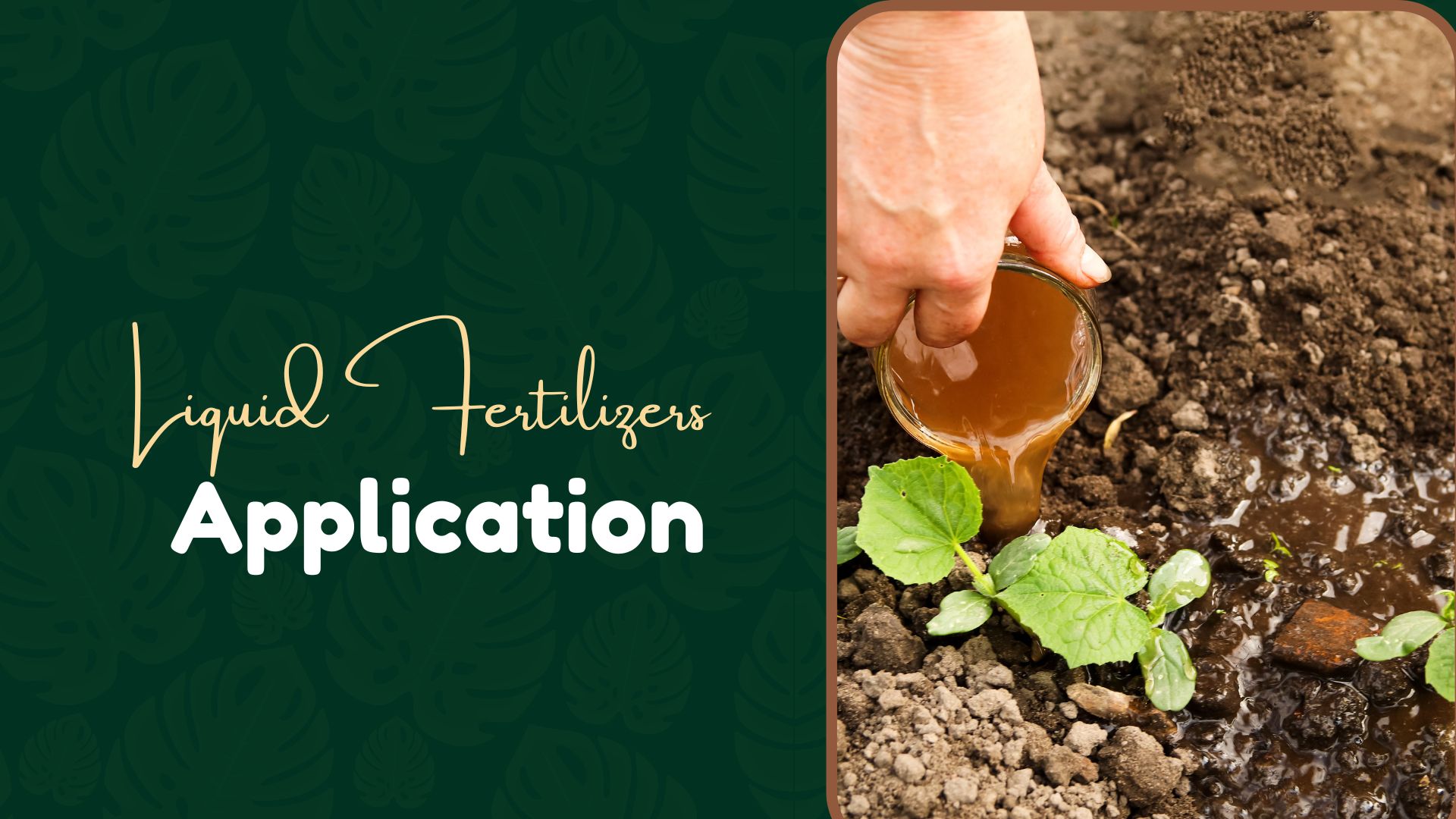
Liquid fertilizers are really easy to use compared to the kinds. You can easily add them to your automated irrigation system. Liquid fertilizers are simple to apply and manage because they do not require any steps. You can use fertilizers by just diluting them with the right amount of water. They come in quality containers so liquid fertilizers stay effective for a time if you store them properly.
Easy to Blend:
Liquid fertilizers are easier to mix than the kinds because liquid fertilizers are already in a liquid form. This makes things simpler for you.
Consistent Quality:
The ingredients in fertilizers are all dissolved, which makes liquid fertilizers easier to mix and makes them uniform. This makes liquid fertilizers more effective.
Better Coverage Due to Uniform Application:
You can use a sprayer to apply fertilizers evenly over a big area because liquid fertilizers can dissolve in water. This ensures that the nutrients are spread out consistently. Also a small amount of fertilizer can cover a much larger area, which makes liquid fertilizers practical and helps avoid damaging your plants with too much liquid fertilizer.
Liquid Fertilizer Application Methods:
Foliar Feeding: You spray fertilizers directly onto the leaves of your plants. This method allows your plants to absorb the nutrients quickly and is good for fixing problems with micronutrients.
Fertigation or drip irrigation with fertilizers is another method.
You give fertilizers directly to your plant roots along with the irrigation water through drip systems. This ensures that your plants get the nutrients they need evenly and continuously.
Soil Application: You can also apply fertilizers directly to the soil near your plant roots. This helps your plants take up the nutrients quickly and grow healthy.
Granular fertilizers:
Granular fertilizers are different from fertilizers because granular fertilizers are applied as solid particles.
So you need to spread fertilizers over the soil or put them near your plant roots. Unlike fertilizers granular fertilizers cannot spread on their own.
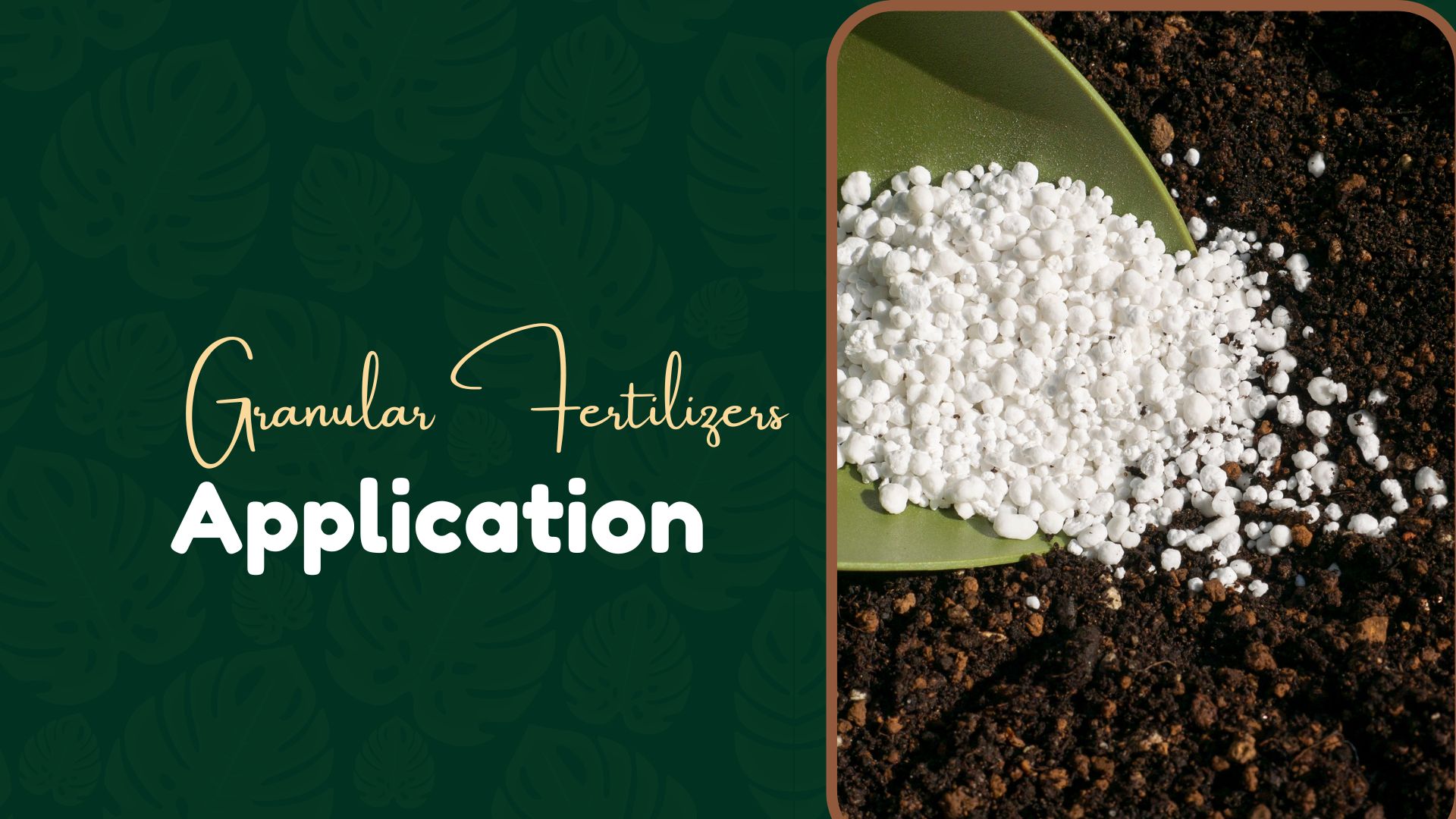
To apply fertilizers properly you need to:
* Spread granular fertilizers manually or use a spreader for big fields
* Make sure the granules are spread uniformly across the area
* Mix them lightly into the soil. Water them after application so the nutrients can dissolve and reach your plant roots.
Liquid fertilizers are still easier to use than fertilizers because liquid fertilizers are already, in a liquid form and can be applied directly to your plants.
WINNER : Liquid Fertilizers
4- Cost Efficiency:

Liquid Fertilizers:
The liquid fertilizers are quick-results, but this benefit is usually paid for in a higher overall cost over time.
Why they are more expensive:
Their application is needed more frequently because their nutrients do not last for long. Farmers may have to use them on a weekly or bi-weekly basis, which calls for more frequent purchasing. With such huge numbers of applications, a lot of money will go towards purchasing these fertilizers, which may adversely affect the economics of the farm, especially large commercial farms. Applying liquid fertilizers requires a sprayer, irrigation system, or qualified employees, increasing agricultural costs. There is likely to be a nutrient wash or loss in liquid fertilizers before the nutrients aid growth due to the compounded rate of nutrient absorption, This results in increased demand for fertilizers with time. Even though liquid fertilizers deliver result literally fast, in the long run, they may prove to be more expensive than solid fertilizers, especially for larger agricultural operations.
Granular Fertilizers:
Granular fertilizers are usually more cost-effective, especially in long-term and large-scale farming.
Why they are cost-efficient
They release nutrients at a slow rate, so there are no frequent applications of fertilizers, as they are applied once or few times throughout the growing period. Also, less waste is associated with theoretically less fertilizer in use. Less application means less work, time, and use of equipment, and the cost of running the farm is reduced. They keep supplying nutrients in the soil for a longer time and are therefore apt for nurturing stable growths in plants without having the get more fertilizers very often. This makes granular fertilizers more economical for large-scale farmers.
Winner: Granular fertilizers are more cost-efficient because they have a longer life span, fewer applications, and they reduce the overall costs of inputs and labor.
5- Soil Health Impact:
Increasing Soil Nutrient Content and Organic Matter Levels
Liquid fertilizers help to supply soil with the required nutrients for plant growth. Individual nutrients are essential elements transferred to soil through liquid fertilizers. Term Paper Context:
Liquid fertilizers provide nutrients directly to the soil. Organic liquid fertilizers increase organic compounds in the soil and the level of humic acids. This augments the capacity of the soil to retain water and nutrients.
Promoting Soil Biological Activity and Microbial Diversity
Organic and microbial liquid fertilizers promote the growth of beneficial microorganisms in the soil. The microbial action results in nutrient cycling, decomposition of organic material and healthy root growth.
Improving Soil Structure and Water Retention
Liquid fertilizers contribute to the formation and stabilization of soil aggregates. It gives aeration, water filtration into the soil and soil the ability to hold water.
Balancing Soil Acidity and Salinity
Certain liquid fertilizers can be used for correcting pH or reducing salt concentration. This results in enhanced suitability of the soil for a variety of plants.
Granular fertilizers:
Granular fertilizers work by giving nutrients to the soil over time. They dissolve bit by bit providing plants with a supply of nutrients instead of a lot all at once. This slow-release way of fertilizing is good for keeping plants healthy for a time.
As the granules break down they mix with the soil and can change a things:
* Soil pH: Some granular fertilizers can make the soil more acidic or more alkaline depending on whats in them. For example those with a lot of ammonium or sulfur can lower the pH.
* Other types may raise the pH.
* Soil structure: Using much chemical-based granular fertilizer can make the soil hard and unable to hold water well.
Organic-based granules on the hand can help make the soil better.
* Microbial activity: Granular fertilizers can affect the living things in the soil in different ways.
Organic types often help good bacteria grow while some chemical fertilizers can reduce the variety of microbes if you use much of them.
Granular fertilizers play a role in maintaining soil health and granular fertilizers can make a big difference, in how well your plants grow.

Leave a Reply