Vertical farming is the production of food in more than one level (usually in a building or enclosed greenhouse) and using the vertical space (walls and shelves) to grow plants. This enables more food to be produced within a smaller space and uses the space of the vertical wall structures to produce part of the food.
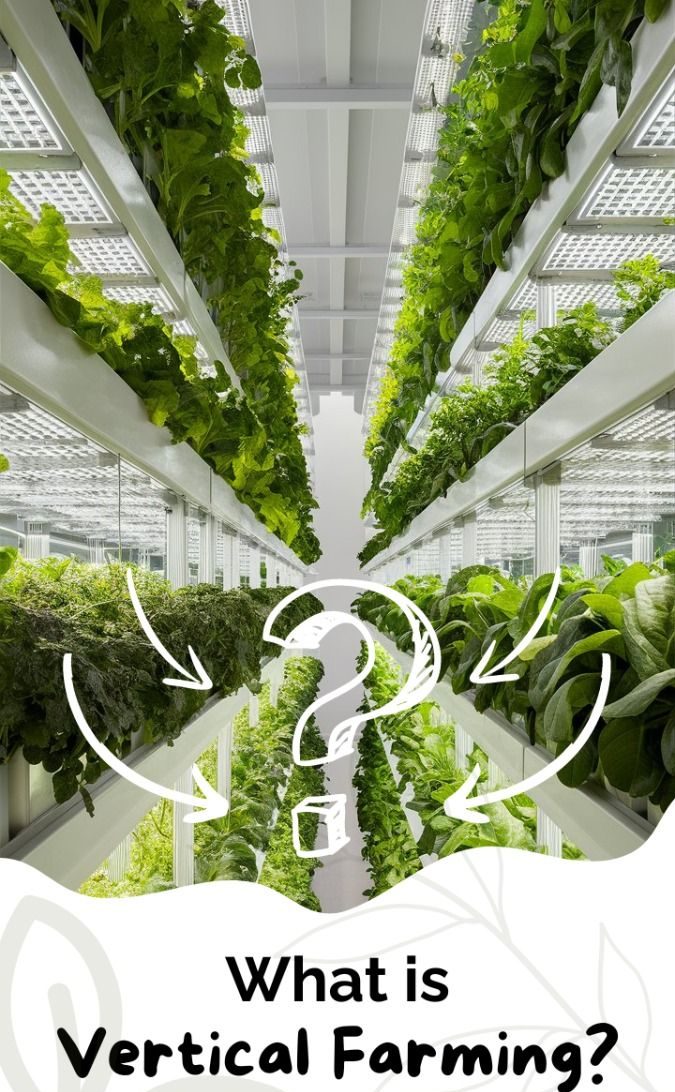
Besides, vertical farming involves the application of other technologies that help to support the growth of plants more efficiently, such as hydroponics (growing crops without soil), aeroponics (suspending roots of crops in the air when growing), and artificial lighting. Moreover, as a modern method of agriculture, vertical farming is the cultivation of crops by layers of crops stacked, usually within shipping containers or specifically designed vertical farms, and by employing hydroponics, aeroponics, and LED lamps.
Small-scale vertical farming operations that are mainly provided by hydroponics can be used as a practical approach to boosting food production. Vertical farms may be practiced either outside with enough coverage, in tunnels, or indoors under conditions of controlled conditions. In growing plants indoors, grow lights can either be used as a supplement to natural light or as a replacement for natural light. They can be installed alongside either manual or digital timers.
There are various grow light types, but the most popular ones are LED lights at the moment. The LED grow lights are tuned to emit only the specific type of light required for plant growth, or photosynthetically active radiation (PAR).
The growth of plants in a controlled environment in vertical lines prevents damage from weather and enables farming throughout the year. This reduces the possibility of pests and diseases.
This type of farming is ideal for cities, thus bringing the grower right to the market. This shortens the supply chain and reduces the carbon footprint.
Using a hydroponic, an aquaponic, or an aeroponic system aids in enhancing the quality of plants as well as increasing their productivity while using fewer units of water and less time. Growing the plants vertically also increases the yields.
Benefits:
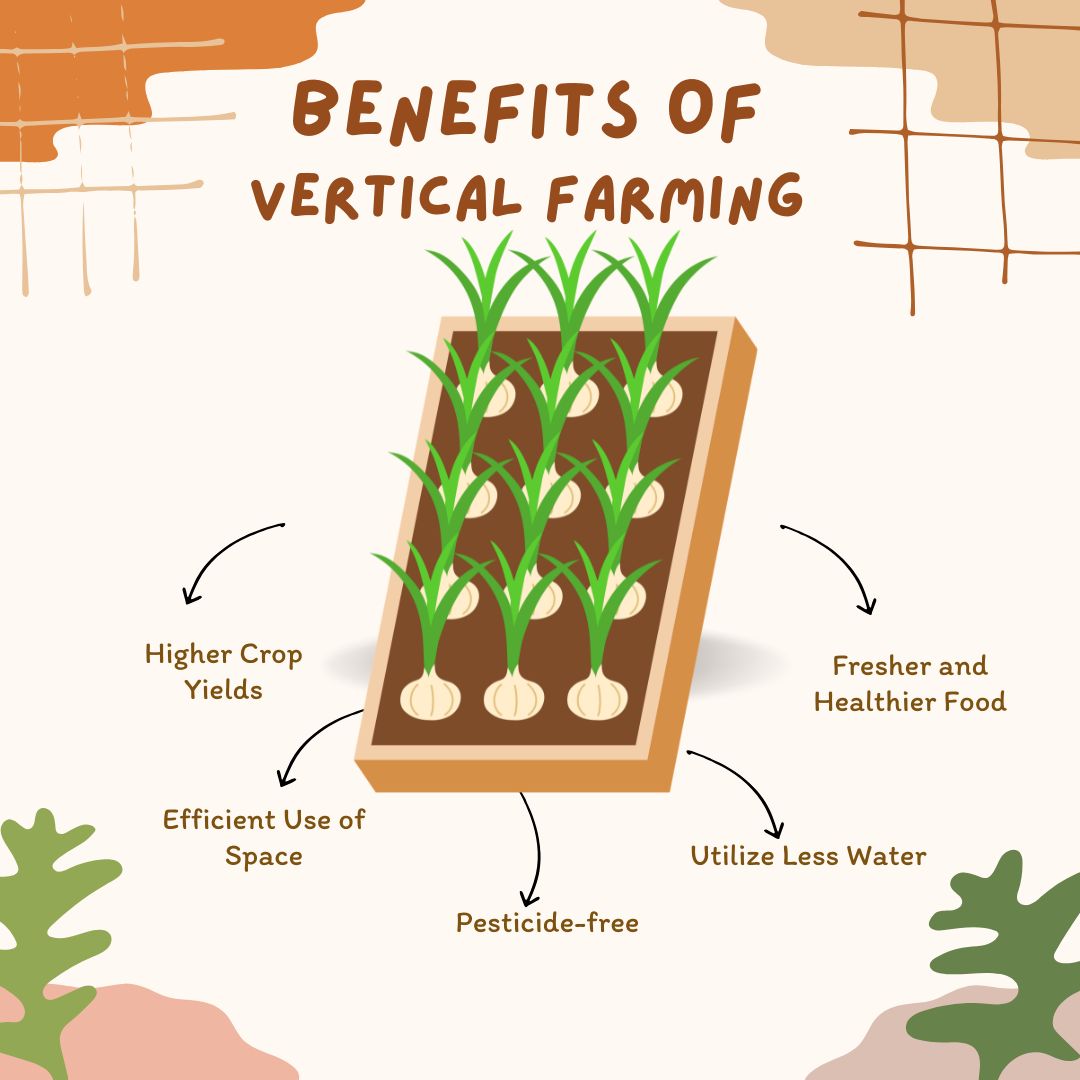
Utilize Less Water:
With the vertical farming methods, farmers can use 98% less water and 99% less land in comparison with traditional farming. This is possible because they take advantage of regular harvesting, which ensures that there is a crop being harvested throughout the year. All of our crops have been grown under sunlight, rather than depending on artificial LED lights, so they are not reliant on fossil fuels or other less environmentally friendly energy sources. In hydroponics or aeroponics, only a small amount of water is used, and most of the water is funneled back into the system. This plays a role in saving wastage and adopting efficient water use practices, especially in locations with drought or water shortage issues.
Pesticide-free:
Vertical farms with CEA rarely require or utilize pesticides. By blocking access to pests, CEA negates the need for pesticides, which in turn reduces the subsequent need to address the effects of pesticides.
Reduced Emissions:
Vertical farms can be built in cities, so food does not have to travel from farms to stores over long distances. This means that the carbon footprint is reduced, food miles are reduced, and the consumers get much fresher produce. This way, less food is wasted, and local families are better provided for as the food is both fresh and healthier.
Efficient Use of Space:
Vertical farming optimizes the use of limited spaces by growing crops vertically, instead of horizontally (Urban Environmental Challenges and Solutions, 2020). This allows farming in cities or areas with limited land. This is particularly beneficial in urban areas where space in buildings can be used.
Reduced Transportation Costs:
Since vertical farms can be located near human habitation, food items do not have to travel long distances. This minimizes transportation costs and environmental damage, reducing the carbon footprint.
Higher Crop Yields:
The vertical farms have controlled growing conditions, which help the crops to grow faster and in greater volumes. It means that they can produce more food in a smaller space to meet the increasing food demand.
Improved Biodiversity:
Vertical farming does not disrupt natural habitats compared to traditional farming practices. Local animals and plants can flourish because the practice does not need to use and clear vast land, thus protecting biodiversity in the region.
Fresher and Healthier Food:
Also, locally grown food reaches consumers much faster, and it is wise management to use foods that have been delivered with fresh nutrients compared to those foods that have lost nutrients during long distances of transportation.
Small Space Vertical Layouts:
Stacked Rack Limited-Footprint Concepts:
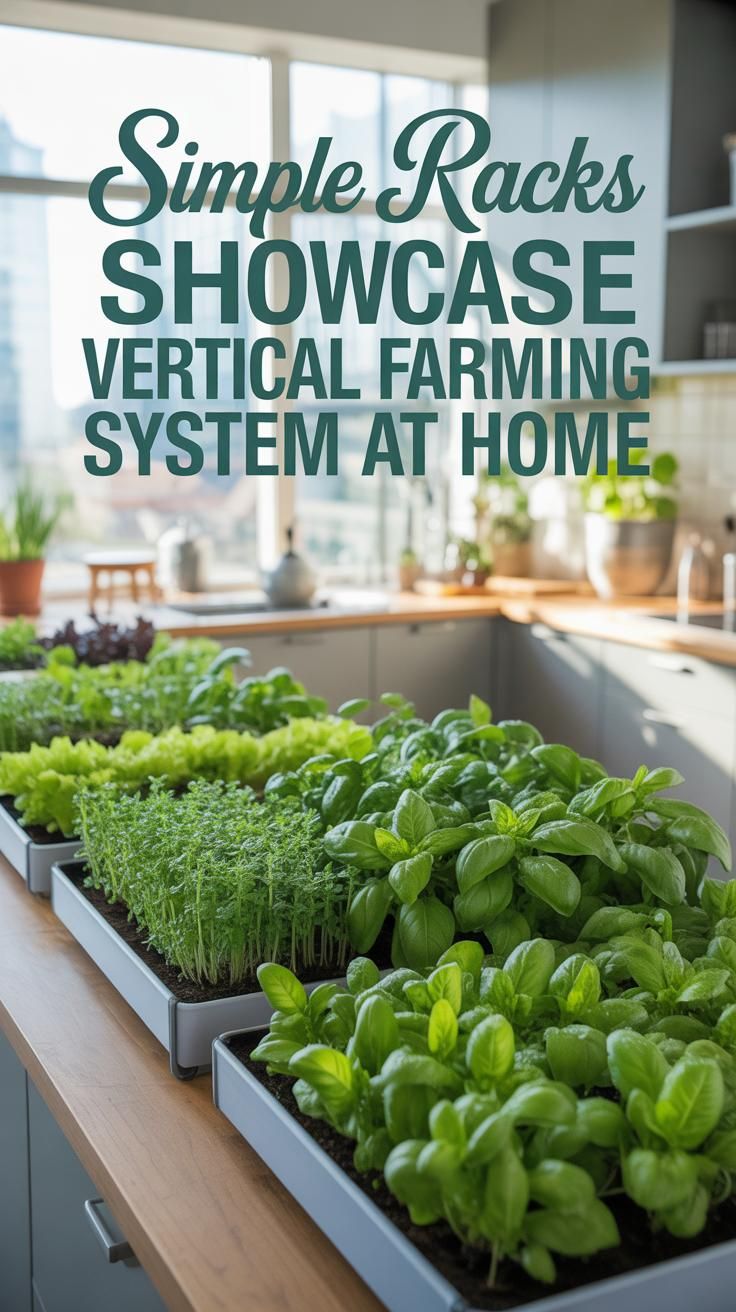
The use of stacked racks enables the use of more planting space vertically, with a square meter of floor space becoming multiple layers of growing space.
Install metal or wooden shelves, which can be adjusted to various heights according to the size of the plant and the amount of light required. The 4-tier rack can expand the productive space and yet fit into a balcony or utility room.
Consider the weight that the shelves can support.
Full water trays, reservoirs, and other equipment will increase the weight; hence, the consideration of powerful materials. Place drip lines and water lines at the shelves to simplify the process of watering and to keep the area clean.
Balcony Vertical Towers and Living Walls:
The vertical towers and the living wall facilitate the cultivation of more plants in a small space on small balcony walls or in sheds.
Towers have circular or hexagonal units with built-in irrigation systems that provide 10 or 20 planting points in a tall vertical column. Planters or pockets are hung in levels on living walls.
Ensure that there is a balance of irrigation.
When you water the top, the plants at the bottom may receive too much water without adequate drainage. In small setups, drip emitters, wick systems, or capillary mats can be used to ensure that there is even moisture throughout all levels.
Plants with shallow roots should be the ones used in living walls and towers, which include basil, lettuce, and microgreens.
Occasionally, towers may be switched on to expose all the plants to an equal amount of light, particularly on those balconies that face the sun directly.
Small Space Lighting Solutions:
LED Strategies of Effective Vertical Development:
LED grow lights provide the appropriate type of light with minimal heat, and thus, they are ideal in narrow vertical installations and balconies.
Install full-spectrum LEDs or red-blue mixtures that aid in plant growth, thus consuming less energy and providing uniform light at all levels. Install lights that can be raised or lowered with the growth of the plants.
To be energy efficient, adjust the light intensity to the stage of the plant.
The seedlings do not require as much light as the mature lettuce. Introduce dimmable lights and timers to maintain a consistent light program and conserve electricity in small-space farms.
Make sure that the lighting fixtures are cool.
Small enclosures may trap heat, and LEDs should have built-in fans or passive cooling, and the temperature of the plants should be monitored to prevent stress when stacked up.
Tower Gardens:
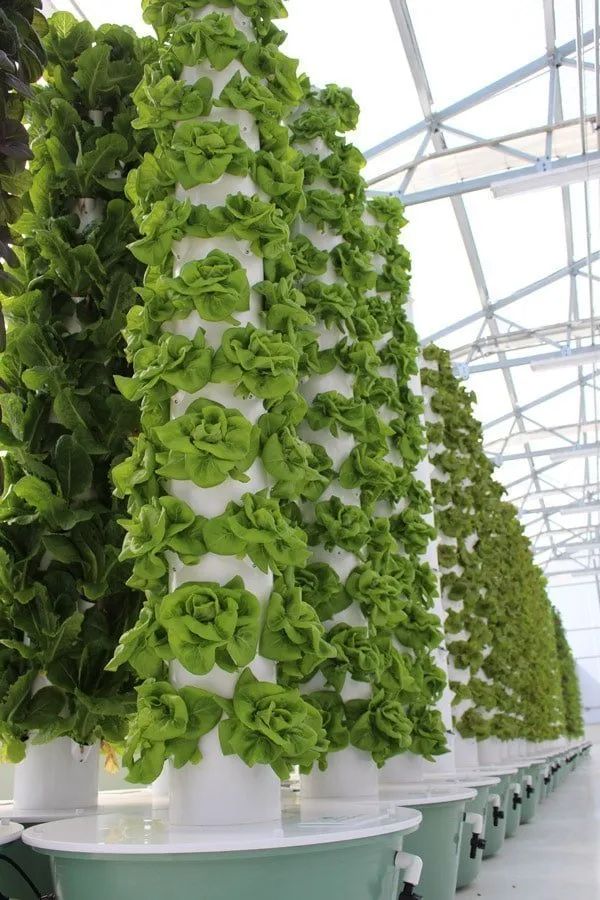
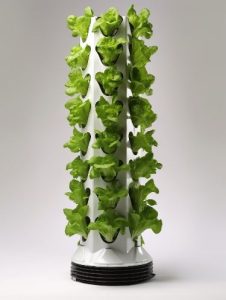
Tower gardens refer to vertical farms in the form of a tower that has several planting holes on the outer sides.
The tower is growing upwards, and the plants grow outwards. In such systems, a water system is usually used to give nutrients to the plants. Tower gardens are space-efficient and highly productive; hence, they are suitable for producing strawberries, lettuce, and herbs in a limited space.
Types of Vertical Farming:
1. Hydroponics:
Hydroponics is the method of cultivating crops without soil.
The plants instead obtain their nutrients using water mixed with special minerals. Vertical hydroponic farming involves planting in layers (such as shelves arranged side by side or towers), and water circulates throughout the system to ensure everything is wet. The technique consumes less water compared to conventional farming and can be applied in such locations as homes or urban areas where space is limited.
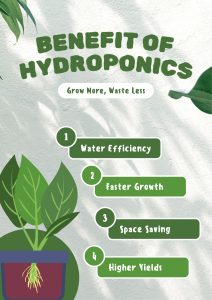
Hydroponic kits designed for small spaces remove soil, reduce mess, and often include compact reservoirs and pumps. They are water-efficient and can be placed on countertops, closets, or shelves. Choose a kit with a reliable pump and easy nutrient dosing to simplify management.
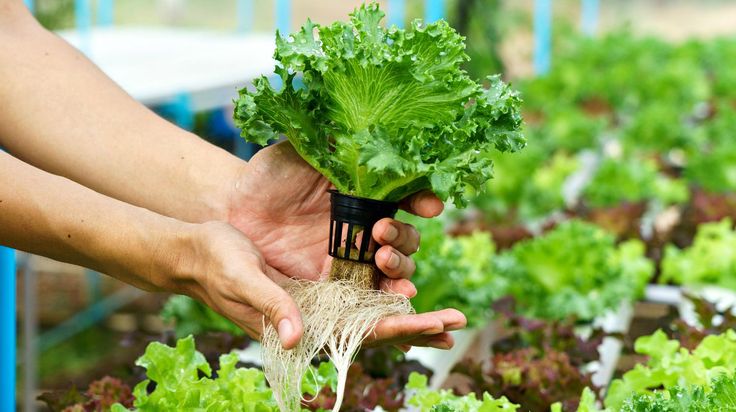
Hydroponics, at its core, is a method of growing plants in water, utilizing a nutrient solution as opposed to conventional growing in soil. There are many variations to conventional hydroponics and a diversity of uses for them that have emerged over the last few years as well. Hydroponics can also be applied to any outdoor crop, though the majority of hydroponic produce grown in the U.S. today is produced in greenhouses.
Whether using the greenhouse or environment control system for the growing of conventionally grown crops or hydroponically grown crops, the greenhouse and environment control system itself will be the same. The differences between the methods of growing conventionally as opposed to hydroponically are seen in the methods of support and delivery of both water and nutrients.
2. Aeroponics:
Aeroponics resembles hydroponics except that it does not make use of water but air.
The roots of the plants are allowed to hang in the air and receive a sprinkling of water and nutrients. There being no soil, it keeps away pests and diseases and is therefore a cleaner method of growing food. It is typically applied in sophisticated vertical farming systems.
Aeroponics is the cultivation of plants without soil; rather, the roots are exposed to the air and sprayed with nutrient-filled mist.
Hydroponics is different from aeroponics in that the plant roots are immersed in water with added nutrients.
In aeroponics, the roots are supplied with more oxygen, thus leading to better plant health, faster growth, and high yields. The nozzles spray mist in aeroponics. Nutrients tend to clog nozzles, therefore hindering the scalability of aeroponics.
3. Aquaponics:
One of the systems is called aquaponics, which combines hydroponics and fish farming.
In this system, fish are confined in tanks, and their waste gives nutrients required by plants. The plants are used to purify the water, which is then used for the fish. This forms a balanced ecosystem in which the plants as well as the fish end up supporting each other. Aquaponic systems may be configured vertically; thus, the farmers may cultivate plants alongside fish within the same space.
Aquaponics involves the hydroponic growth of vegetables along with the farming of fish in an integrated and beneficial process. In aquaponics, ammonia is generated from the feeding and waste of the fish, which is converted to nitrates and serves as essential nutrients for plants. Moreover, plants act as filters to ensure clean conditions for fish.
Aquaponics is a unique process where both protein and vegetables can be cultivated using aquaponics in an urban setting. Further, aquaponics is more effective in nutrient and water consumption when compared to traditional methods. In aquaponics, up to 80 percent of the necessary nutrients for plants are provided through the wastes of fish. Aquaponic systems use only ten percent of the water as compared to in-ground systems due to water recycling and re-cycling.
BENEFITS:
1. Fast Plant Growth:
The provision of the right nutrients and the environment that contains a lot of oxygen enables the plants to grow three times their rate when they are in the soil.
It also increases the taste of the plants as they are in a position to concentrate on growing healthy leaves rather than on searching for water by extending their roots.
2. Reduced Chemical Use:
When you establish an aquaponics system in a greenhouse or with an insect mesh, you have fewer pests to handle.
Fish cannot tolerate pesticides; thus, they do not use these pesticides in aquaponics. As a result, you will have clean, non-toxic, and organic produce, depending on the place of residence.
3. Smarter Farming:
Aquaponics also helps in the prevention of soil erosion because you do not have to dig into the soil.
You do not need to perform physical labor to plow soil and weed, which reduces expenses as compared to conventional farming. Imagine growing your plants at waist height; picture gardening!
4. Reduced Water:
Aquaponics consumes 90 percent less water compared to conventional soil gardening.
The plants and fish tank will always recycle the water; the only water that is lost is the evaporated water in the fish tank (unless it is covered) and the water lost by the plants through transpiration.
Vertical Farming Problems:
Expensive Start-Up Costs- There must be money to finance the technology, equipment, and systems to manage the environment to start a vertical farm. Energy Use—Indoors is a high-power consumer of electricity, both in lighting and climate control, particularly when the indoors is not powered by renewable energy.
Expertise Requirement- The farmers should be taught to take good care of hydroponic and aeroponic systems.
Not All Crops Work – The vast majority of vertical farms cultivate small, leafy greens, herbs, and other small vegetable crops, but larger crops, such as wheat, rice, and corn, are not easily cultivated indoors.
Legal and Location Issues – There are cities whose regulations make it difficult to establish large farms in urban locations.

Leave a Reply