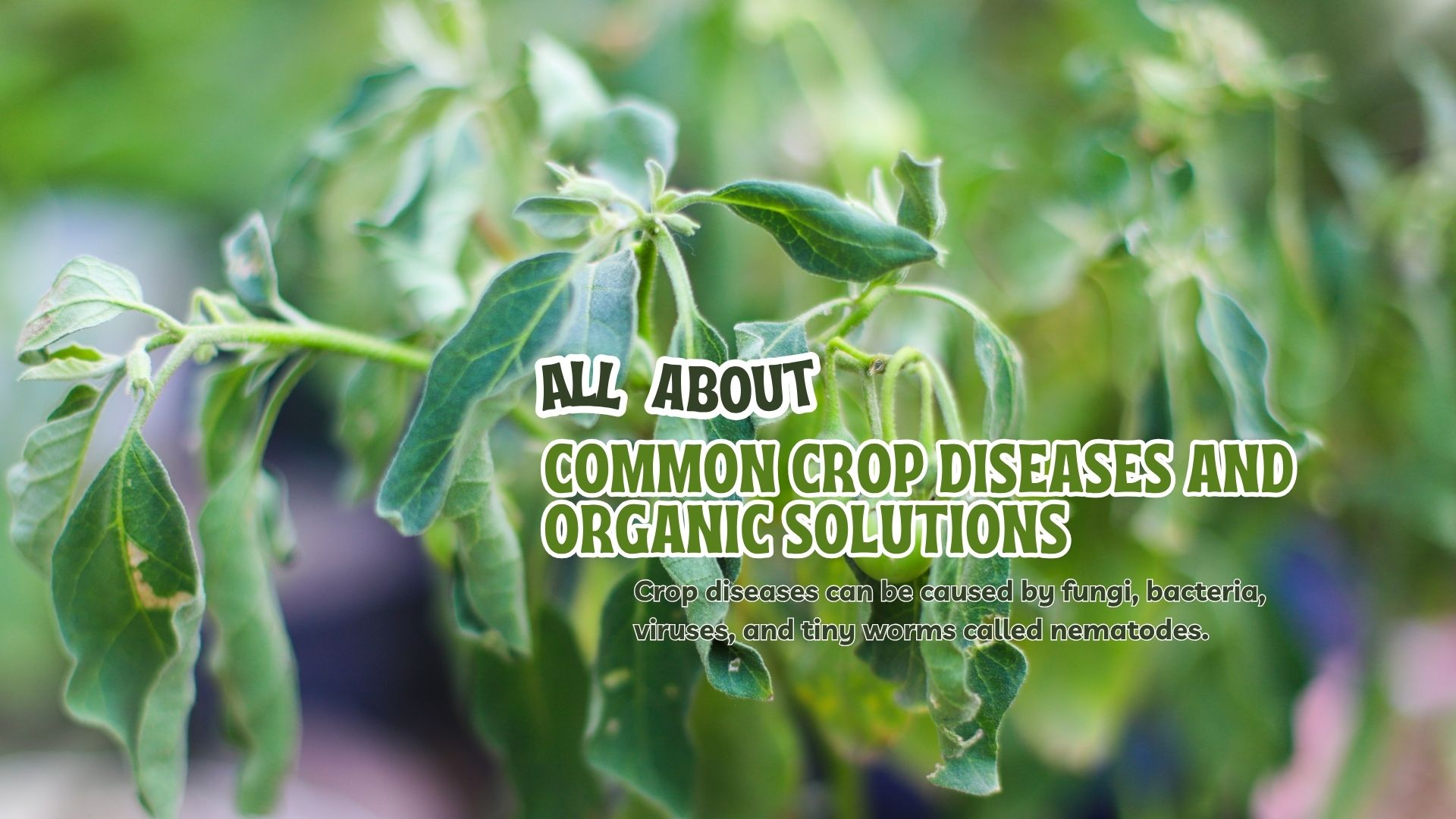
Crop diseases are a problem for farmers. Farmers need to take care of them and watch out for them from the start. Crop diseases can be terrible for big farms because there are many serious crop diseases.
Crop diseases can be caused by fungi, bacteria, viruses, and tiny worms called nematodes. These can hurt the plant above and below the ground. For farmers who grow grains like wheat, barley, oats, and triticale or legumes like field peas, chickpeas, and beans, as well as canola and lupine, it is challenging to know when crop diseases happen and how to stop them.
If your plants do not look healthy, it can be sorrowful. Sometimes crop diseases can be helped by giving plants water or putting them in the sun. If that does not work and you have tried everything, it might be a big problem. Your plant may have a crop disease, or something else is wrong with the plant.
Powdery Mildew:
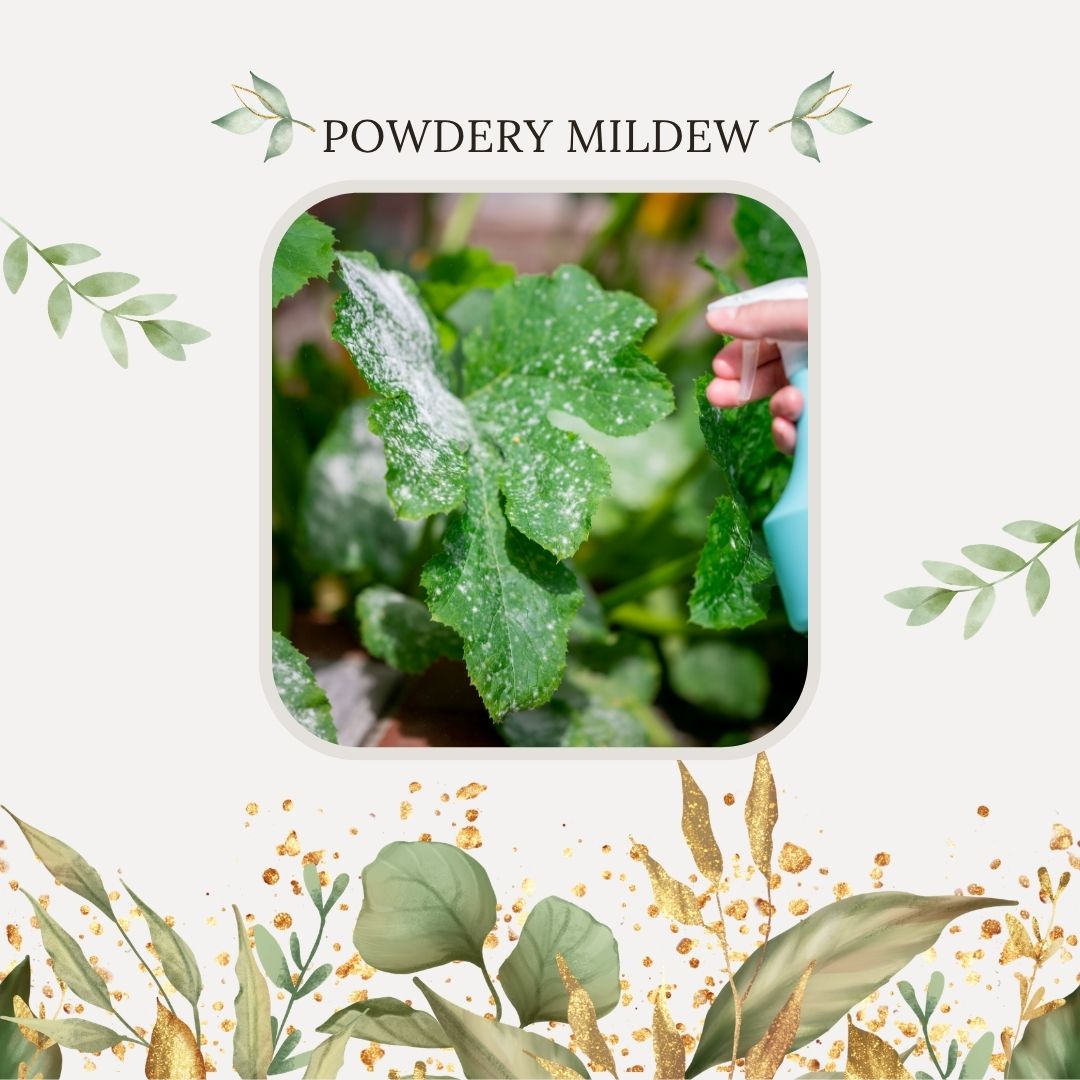
Across the world, powdery mildew is one of the most common plant diseases. For barley farmers, powdery mildew has been proven to be a major threat, leading to economic losses due to its role in reducing the volume of crops and the overall grain quality. Despite being a fungus, the causative agent of this disease has managed to develop mechanisms that allow it to survive in uninhabitable conditions for most fungal agents.
Look out for signs such as purple or reddish spots, uneven patches, yellowing areas, and dead leaf patches. In addition, there are white or gray extensions of filamentous fungal mycelium in the affected plant parts. Primula obconica fungus can attack mature parts of the plant, but more often, it attacks young shoots, leaves, and flowers.
Symptoms may include leaves wilting, browning, and falling off prematurely. There may also be scab-like sores on leaves, curling and twisted leaves, and stunted growth.
TREATMENT:
There are several natural ways of dealing with powdery mildew.
Some of the solutions include
- Neem oil can be used alone against powdery mildew, but mixing it with other remedies can also help.
- Baking soda, or sodium bicarbonate, can be a helpful preventative if used regularly, but can additionally help slow down the spread of the disease in case it is already present.
- Milk can help fight the mildew and strengthen the plant’s natural defenses. This is especially effective when growing watermelon and other plants belonging to the same family.
Leaf Spot Disease:
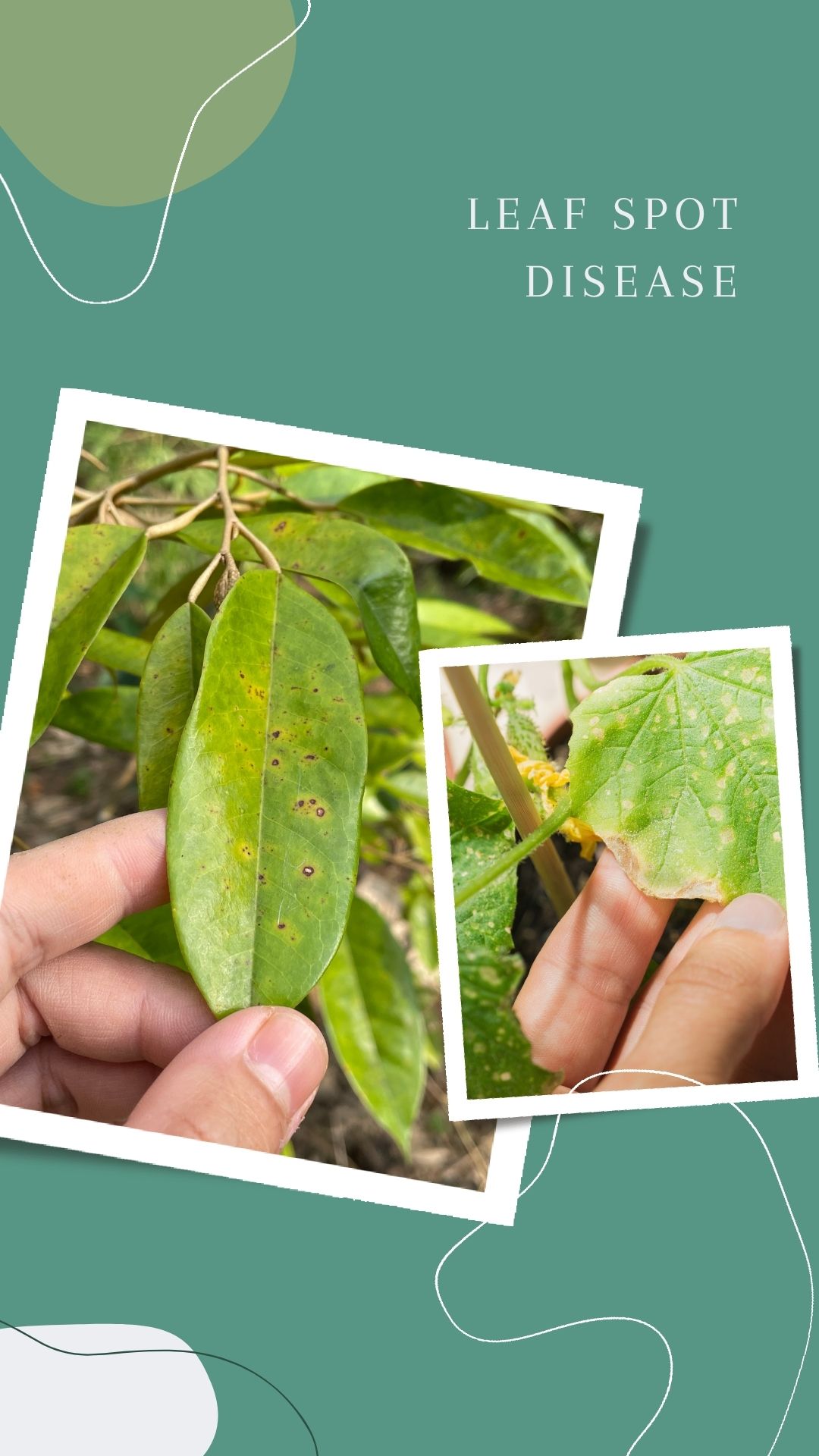
Leaf spot is a disease that comes from kinds of bad germs and shows up as spots or damaged areas on plant leaves. There are types of leaf spots, so you need to figure out which one you have if you want to fix it properly.
Leaf spot is usually caused by tiny living things like fungi or bacteria.
In fact, most plant diseases, about 85 percent, are caused by fungi. However, spots can also appear because of damage from weather conditions or viral infections.
TREATMENT:
The first thing to do is remove any leaves that are affected. Move the plant to a place away from other plants. If many leaves are damaged, you can use a fungicide made with sulfur or copper. If a few spots are present, you might try natural treatments first. Neem oil is an option because it has natural properties that help stop fungal growth. Neem oil is also an organic choice.
Another natural way to treat leaf spot is to make a spray with leaf spot in mind. You can mix some baking soda, horticultural soap, and water, then spray it on the leaves to fight leaf spot. This helps make the environment less friendly for fungi that cause leaf spot, which can slow their growth and help treat leaf spot.
Root rot:
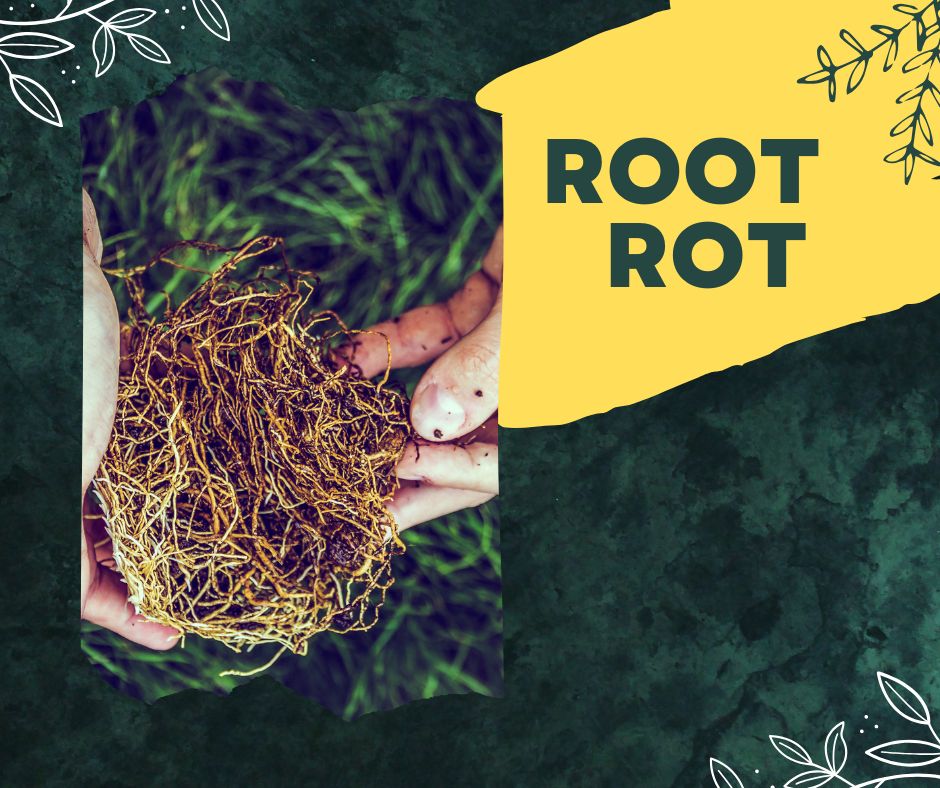
Root rot is a general term used to describe any plant disease whose causal organism damages the root system. Both trees and flowering plants can suffer from root rot. It may also become fatal in a short time. Plants with root rot usually have slow growth and yellow or red leaves, which may look like a lack of nutrients. The roots are also likely to be mushy, brown, and emit a foul odor on close inspection.
Two major causes of root rot include hypoxia and fungal infections.
Insufficient oxygen: When a plant is overwatered, or the soil is poorly draining or too compacted, the roots do not get enough air. This is the same thing as underwatering the roots and is harmful.
Fungal infection: Excess moisture in the soil can allow fungi to grow and attack the roots. These fungi can enter the soil through contaminated tools, such as pruning shears or pots, or already exist in the purchased soil.
TREATMENT:
How you should deal with root rot:
1. Inspect the plant for root rot. Don’t assume your plant is suffering from root rot just because it looks wilted. Take the plant out of the pot and check the roots before coming to any conclusion.
2. Wash the roots. Clean the roots; rinse the roots under running water to remove as much soil as possible, since the soil might contain harmful fungi.
3. Cut off the damaged roots. Snip off any dark or soft roots with sanitary tools. Cut back on those damaged areas thoroughly because the plant might suffer from root rot again if there are any remaining dark and soft roots. If the good roots are too few, you might also have to cut some leaves to relieve your plant of excess growth pressure.
4. Discard the soil. It is safer to throw out old soil, even if you are not sure that the root rot is caused by a fungus. If there is a chance that it has fungus spores, then it is better not to keep it.
5. Wipe down the pot and all your utensils. Clean the pot and tools. This will prevent the spreading of any fungal growth.
6. Finally, repot the plant in a new soil medium. To help avoid future problems, the remaining roots should be spread gently and potted in a new, draining soil mixture fitting its needs.
Downy Mildew:
This is the most common disease of crops. Downy mildew is not identical to powdery mildew and should be differentiated. This is a form of fungus and causes a white and powdery coating on the upper side of the leaf. Late blight, on the other hand, was more like algae and produced gray fur-like spores on the underside of leaves.
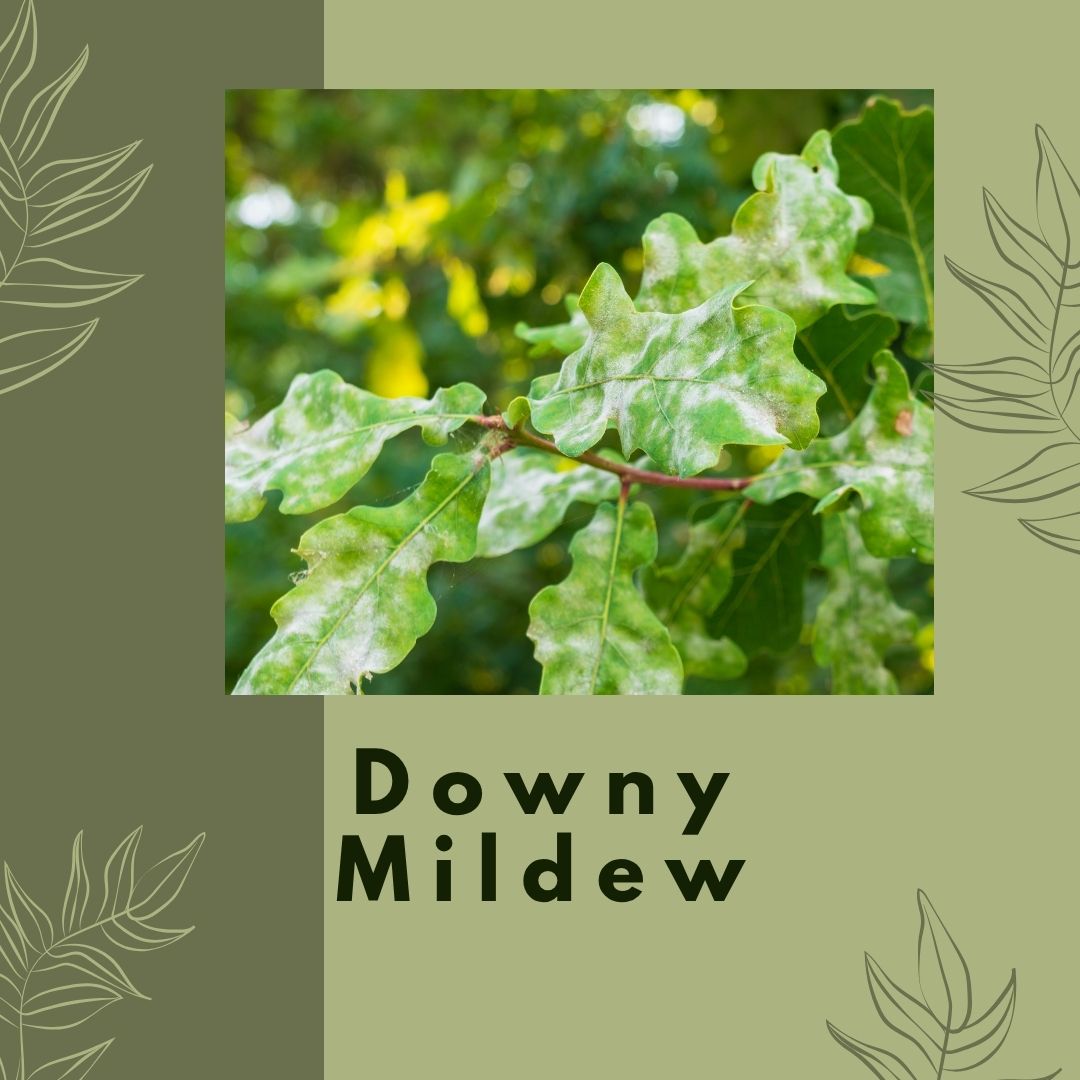
Look for pale green or yellow patches on top of older leaves to identify late blight. On the underside of the leaves, the fungus produces a cotton-like substance that is white or grey. The late blight is best grown in cool and humid conditions, preferably during the early spring or late autumn. The spread of spores is accelerated by high humidity and temperatures below 65°F (Schousboe & Pedersen, N.d.).
Downy mildew is a bit challenging to detect compared to powdery mildew.
Look at the following:
- Discolored patches on the upper side of the leaves. Depending on the plant species, these can be pale green, yellow, purple, or brown. Sometimes, the discolored patches have a straight edge, especially if they lie on the veins of the leaves, as in the case of lettuce.
- A mold-like growth appears underneath the leaves that corresponds to the patches above. White, grey, and purple are all typical colors of downy mildew.
- On certain plants, such as peas and pansies, it is easy to spot the mold with the naked eye. But on others, such as foxglove and rose, it cannot be detected even with a hand lens.
- If the leaves are infected heavily, they might also have a curled and brown effect, as with tobacco plants, or might be yellow and have fallen off early, as with impatiens and roses.
- Sometimes, other plant parts are affected, for example, cauliflower heads, Impatiens flowers, and pea pods.
- Plants that are badly affected often become stunted and weak. For columbine, impatiens, and tobacco, the plants cannot survive.
TREATMENT:
Water is essential for the spread of late blight. Without water, the leaves cannot spread the disease. Make sure that the leaves do not get wet in any way. Try as much as you can to keep the leaves dry because the disease cannot spread if the leaves are dry.
- As soon as there are signs of the disease, the affected leaves should be removed and disposed of appropriately. This can be done by deep burying them, burning them, or taking them to the local waste management facility.
- If the plants are highly affected, remove and destroy them entirely.
- Avoid planting too close together and keep weeds in check to increase ventilation around the plants.
- In glasshouses, never allow long periods of wetness on leaves or a high humidity level.
- Avoid overhead watering as much as possible. If possible, open doors and vents to let in air.
- Don’t water the plants in the evenings, as this can cause high humidity during the night or cause wet leaves. It is better to water plants early in the morning so that the leaves have time to dry out.
- To prevent the likelihood of infection from spores present in the soil, rotate your crops and avoid planting the same species in the same spot for at least a year if an ornamental plant has been infected previously.
Mosaic Viruses:
Mosaic viruses are a form of plant virus that causes a mottled or patchy appearance on leaves, commonly in yellow, white, or different shades of green. They retard growth, cause deformities in leaves, and reduce the amount of food produced by the plant.
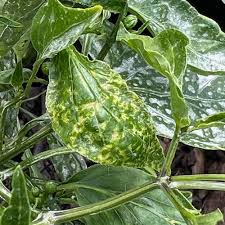
There are many sorts of mosaic viruses, but two viruses that gardeners are accustomed to seeing are the tomato mosaic virus and the tobacco mosaic virus.
Mosaic virus for tomatoes spreads over plants of tomatoes, peppers, potatoes, apples, pears, and cherries. Tobacco mosaic virus infects tomatoes, peppers, cucumbers, lettuce, beets, petunias, and tobacco.
Some common signs of mosaic virus include yellow leaves, slow-growing plants, strangely-shaped fruits, and lower harvests. These viruses are usually transmitted faster during warm seasons.
Symptoms:
- First, slow growth or small-sized plants;
- Crinkled, wavy, and twisted leaves
- Shaped leaves with a shoestring appearance (CMV Cucumber Mosaic Virus).
- TMV (Tobacco Mosaic Virus): twisted new growth and yellowing leaves.
TREATMENT :
- To help stop the virus, remove all weeds that live year-after-year and use the least toxic herbicides possible within 100 yards of your garden.
- This virus is transmitted through humans, tools, and equipment. People should wash their hands thoroughly and clean all tools, stakes, ties, pots, and even greenhouse benches with a bleach and water solution (1:4) to prevent spreading.
- Do not work in the garden when the plants are wet because viruses spread faster. Also, do not use tobacco products near easily infected plants. Viruses can also be transferred on cigarettes and tobacco.
- If there are plants found to have the virus, remove the plants and dispose of them immediately. They should not be put in a compost pile. Use fungicides for viral diseases.
- Where possible, plant virus-resistant varieties. Acquire plants from reliable suppliers. Use seeds from infected plants.
- Pest control products like Safer Soap, Bon-Neem, and diatomaceous earth should be used to keep disease-carrying insects from infesting the house.

Leave a Reply