Nutrient deficiency is when a plant lacks enough of a necessary nutrient for growth. They end up exhibiting certain symptoms, signs of malfunction, or signs of nutrient deficiency. For the plants to grow and develop healthily, certain minerals have to be present in the soil or the growing medium that they’re using. Major nutrients (macronutrients) include nitrogen, magnesium, phosphorus, potassium, sulfur, and calcium. They are required in large quantities.
On the other hand, trace nutrients or micronutrients like zinc, boron, manganese, iron, and molybdenum are required in much smaller quantities but are essential for the plant’s full life cycle.
All plants need nutrients for growth and good health. In this case, plants get their nutrients from the soil and any fertilizer nutrients supplied to the soil. In case the growing method is hydroponic or soilless, one uses a specially mixed nutrient solution.
Regardless of which growing method you choose, it is vital to ensure that the plants receive the right amount and balance of nutrients.
Plants need more of the macronutrients nitrogen, potassium, phosphorus, calcium, sulfur, and magnesium. Also, they require lesser quantities of micronutrients such as boron, copper, iron, manganese, molybdenum, and zinc.
Most of the nutrient problems come from a lack of sufficient nutrients in the growing medium or solution.
But environmental conditions can also be a factor. If the growing medium is too acidic or too basic, or if it’s too dry or too wet, nutrients are unable to be absorbed by plants.
Common symptoms of a nutrient deficiency:
First, examine the sites where the symptoms are appearing to find a nutrient deficiency by inspecting the plant. This will depend on whether the nutrient is static or mobile in the plant. An immovable nutrient remains in one place, whereas a mobile nutrient can move throughout the plant as required. For immobile nutrients, the symptoms will first show up on fresh growth; for mobile nutrients, though, the first symptoms usually manifest on older leaves.
The next step is to examine the particular aspects of the symptoms.
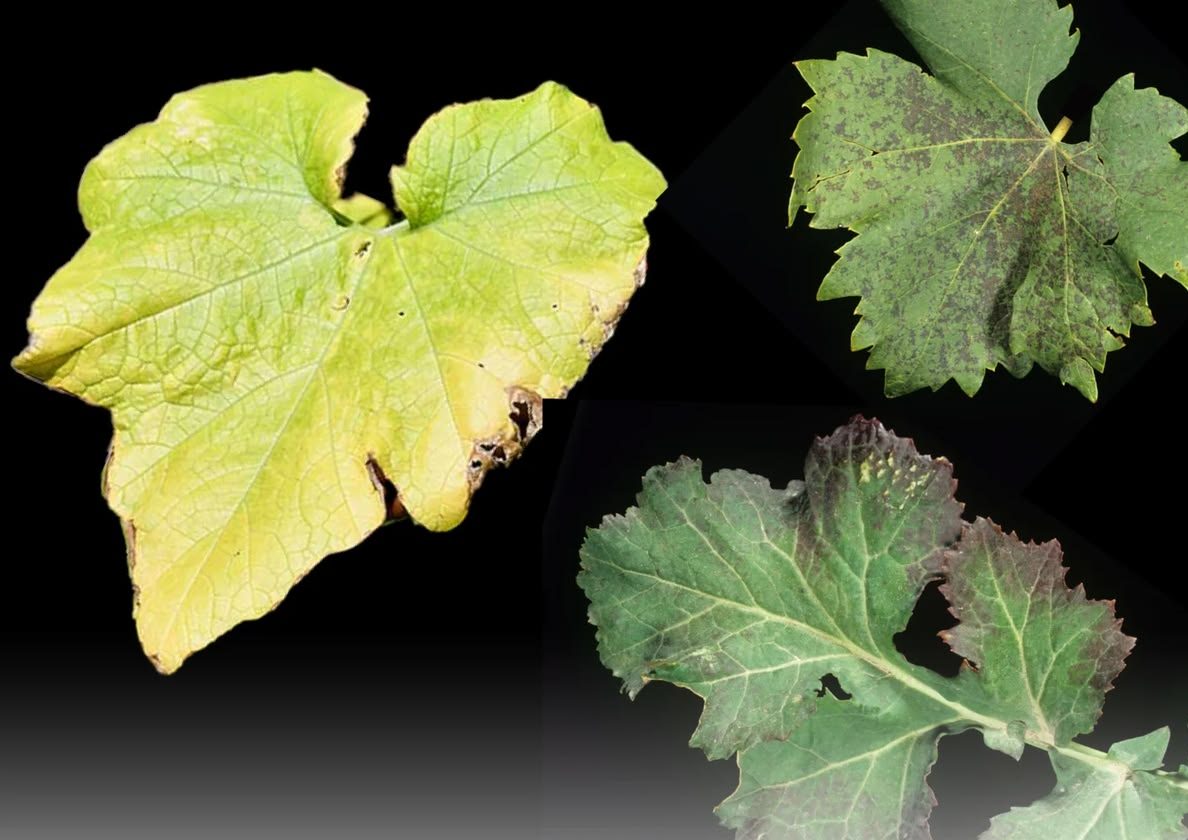
For instance, leaves may exhibit necrotic tissue or turn yellow, a condition known as chlorosis. The symptoms might manifest between the veins or on the edges or tips of the leaves.
The most obvious indication of a nutrient deficiency is a color or shape shift in leaves.
Many flaws can resemble one another, and plants frequently suffer from more than one nutritional issue simultaneously.
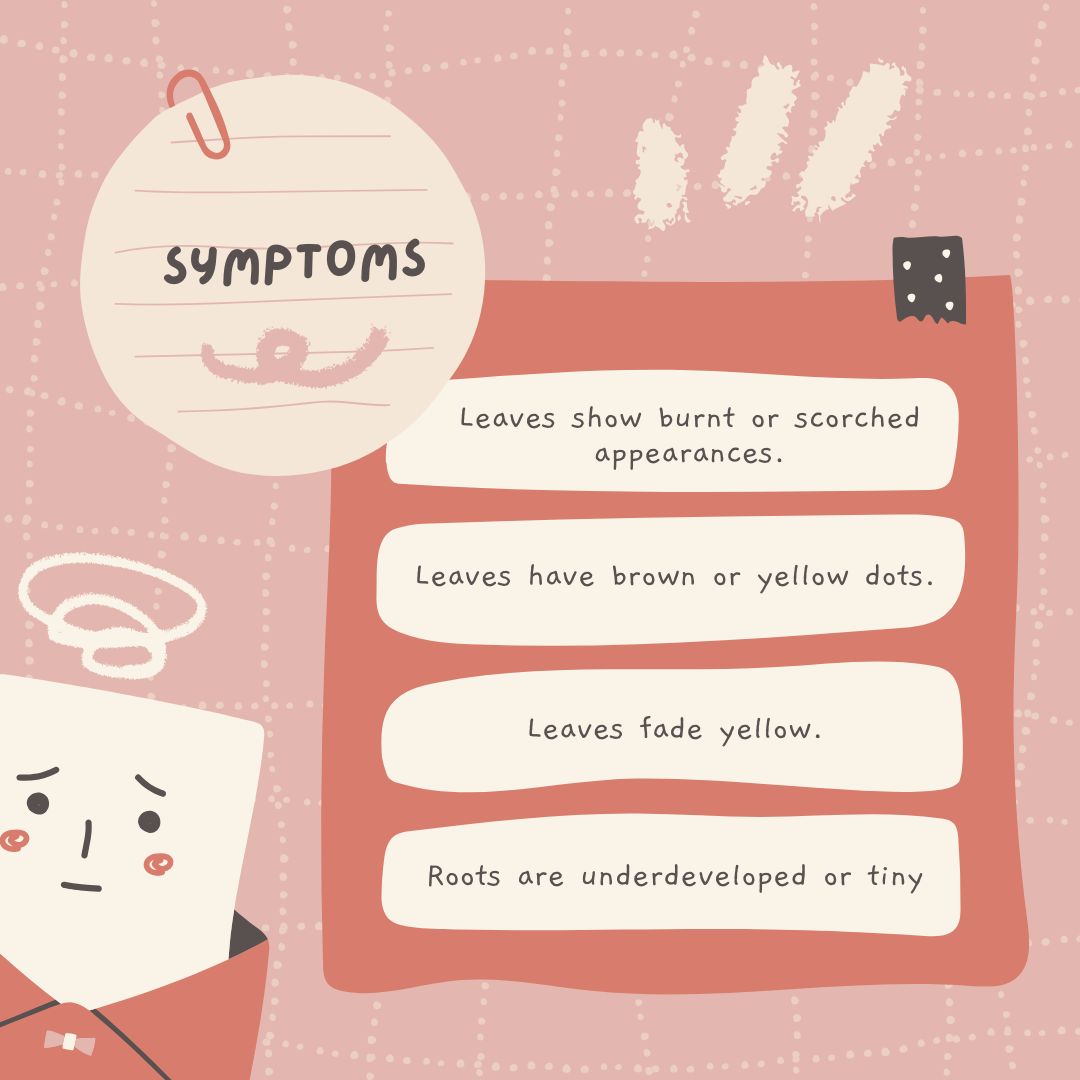
The following are the most typical symptoms of plant nutrient deficiencies:
– Leaves fade yellow.
– Leaf borders get brown or yellow.
– Leaves have fissures
Leaves show burnt or scorched appearances.
– Leaves can range from crimson to purple in hue.
– Between the leaf veins, yellowing
Leaves range in size or are underdeveloped.
– Leaves have brown or yellow dots.
– Leaves are twisted or malformed.
– Roots are underdeveloped or tiny
– Variance in agricultural output
– Failure of total crops
1. Nitrogen (N) Deficiency:
Since N provides the green color in plants due to the chlorophyll pigment, the main signs of nutrient deficiency are new pale-green leaves and yellowish old leaves. Without early intervention, these signs contribute to poor new growth, purple-streaked stems, thinning crops, or stunted plants. Specific signs of N deficiency in corn include V-shaped yellowing and shiny kernels. In rice, there is poor plant growth and limited tillering.
What does it look like?
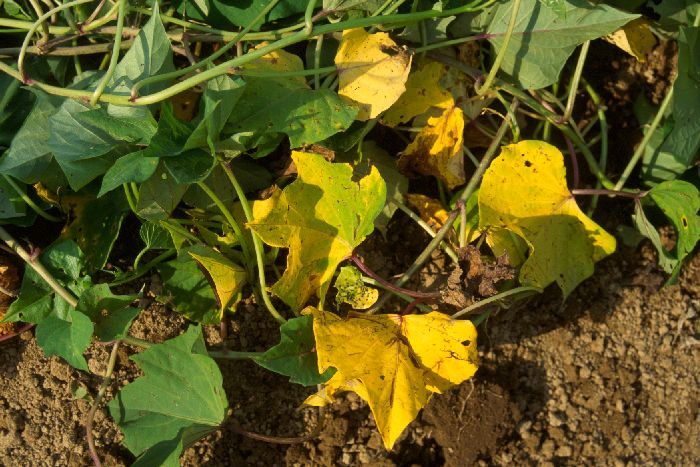
Several things can show a nitrogen deficiency. The yellowing of the lower leaves is the major symptom, and the upper leaves remain pale green. Growth is also affected, and there are weak branches or shoots. There may be stripes of purple on the stems of some plants. The crop yield will reduce drastically due to poor growth if nothing is done to treat nitrogen deficiency.
Why does it happen?
Nitrogen is a key part of plant proteins and helps in healthy growth, so a lack of nitrogen leads to yellow and stunted plants. It is also needed for the chlorophyll, which plays a significant part in enzymatic reactions, and is essential for the metabolism of the plant.
There are several reasons for a nitrogen deficiency.
It could be due to high or low soil pH, nutrient imbalance, or natural loss of nutrients over time. Also, since nitrogen is water-soluble, when incorporated in soil, it may be washed off by frequent rains, leaving the soil nitrogen-deficient.
2. Phosphorus (P) Deficiency:
The formation of proteins, buds, seeds, and flowers in crops needs phosphorus. Phosphorus has a dark red, purplish, or bronzy tint for its negative symptom in the lower parts of the older leaves. In severe deficiencies, the leaves brown and drop off. Lack of phosphorus results in fewer tillers in cereal crops such as wheat.
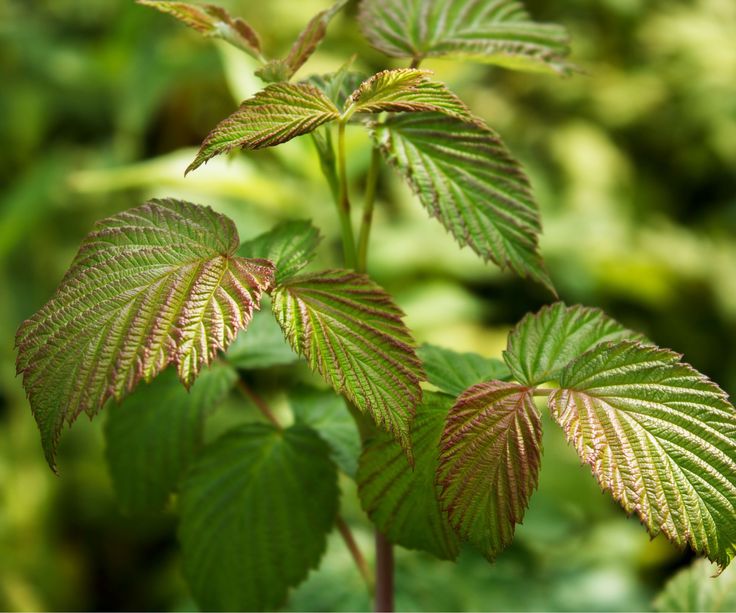
Phosphorus compounds give plants the ability to develop an innate resistance to various diseases. Mild yellowing of leaves and stunted growth are symptoms of phosphorus deficiency in plants. Such a plant will find it difficult to grow or spread its roots or branches. Phosphorus rarely experiences deficiency in most soils, but this can occur where there are a lot of heavy clay soils or where there is intense rainfall per annum.
What does it look like?
The signs first appear on the oldest leaves of the plant when there is a phosphorus deficiency. The older leaves may become a dark green with a tinge of purple, bronze, or red. Growth is retarded, brown spots appear on the leaves, and the leaves begin to die out.
Phosphorus works in many vital functions in plants. Its contributions to cell division, photosynthesis, plant growth, and protein synthesis are critical. It also enhances the resistance of plants to diseases and various stresses.
Why does it happen?
Phosphorus deficiency may also occur due to an incorrect soil pH or as a result of an imbalance in nutrients. If plants are growing outdoors, low temperatures can dampen their absorption of phosphorus. An excess of iron in the growing medium may also cause issues with phosphorus uptake.
3. Potassium (K) Deficiency:
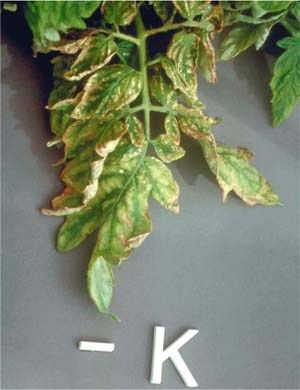
By using K, the crops are resistant to diseases and also help in the production of sugars, protein manufacturing, cell copying, and the production of roots for plants. If plants lack potassium, their leaves show serious problems like yellowing at the edges, rotting, scorching, curling, crinkling, shriveling, and dying around the middle of the leaf veins.
Potassium plays a very crucial role in maintaining the health of the plants and boosting their immunity against diseases.
Symptoms:
The leaves might turn purple and have brown edges when plants have insufficient potassium. The plant might also have a diminished number of flowers and fruits.
What does it look like?
The main signs of a lack of potassium are brown and burnt leaf edges and tips, along with yellowing between the leaf veins. Underneath the leaves, there are purple spots; the leaves may fall off, growth is slow, and susceptibility to diseases is high if the deficiency is left unchecked.
Why does it happen?
Potassium is important in the functioning and wellness of plants. It helps in the synthesis of carbohydrates through photosynthesis and supports flowering, fruiting, and resistance to diseases. It also regulates stomata, the epidermal leaf pores responsible for water loss and gas exchange.
12.4 Potassium deficiency is more common in light, sandy, or chalky soils where potassium can easily wash away or drain. It can also be the result of neutral pH; hence, it becomes hard for the plants to access the required nutrients.
4. Iron (Fe) Deficiency:
Iron is used by vegetation to produce enzymes and proteins, so any deficiency of iron can hamper growth. Leaves of plants with iron deficiency have signs like pale green, yellowish, or whitish leaves with small brown spots. In cotton, the tops of leaves turn white due to the lack of iron. The deficiency in iron bears the same effect as the deficiency of magnesium, but iron deficiency is noted in young leaves and shoots, whereas magnesium deficiency is noted in old leaves.
Iron is important for plants because it helps in the synthesis of chloroplast proteins and a number of enzymes.
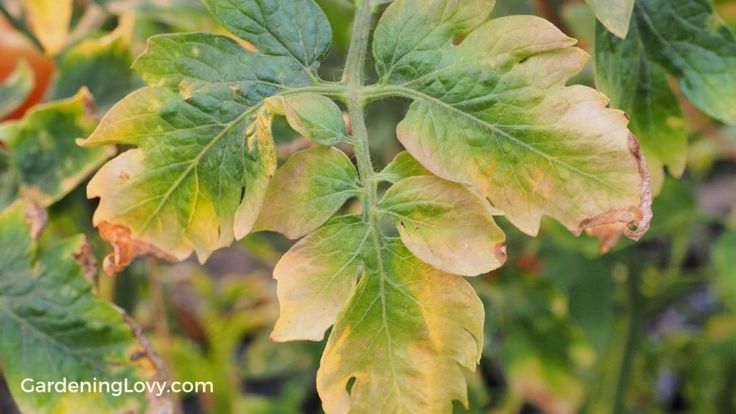
When plants are missing iron, the new leaves and shoots may become light green or yellow between the veins. Also, the leaves start dying backward from the tip. The new leaves may also become smaller and almost white, with brown spots forming on them.
What does it look like?
A clear sign of iron deficiency is the yellowing or paling of leaves between the veins while the veins remain dark green. Furthermore, the growing shoots die off, with the dying point beginning at the tip. The leaves can also turn completely white if the problem aggravates.
Iron is also necessary for making chlorophyll, a pigment that gives plants their green color and aids in photosynthesis.
Why does it happen?
There are several causes of iron deficiency. This might include nutrient imbalance, the soil being either too acidic or too alkaline, and over- or underwatering if growing in soil. There can also be an imbalance of manganese, copper, or zinc, which inhibits the plant’s ability to uptake iron.
5. Calcium (Ca) Deficiency:
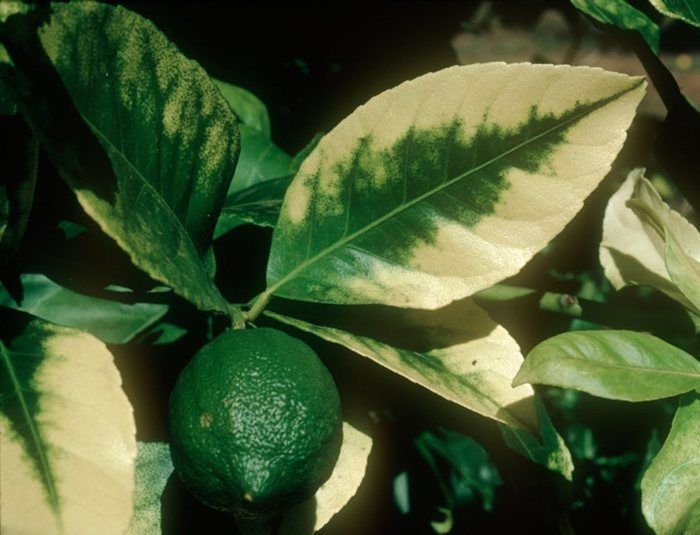
This chemical assists in the process of making new cells. Due to this, weak spots in the plant’s growth indicate a lack of calcium:
Tip burns, abnormal growth in the new parts, blossom-end rot, drop in flower numbers, and small and scrawny fruits.
What does it look like?
New leaves and other growing areas of the plant are usually the areas affected by a calcium shortage. Observing the tips of the youngest leaves and other growth points of the plant, which appear dried up or stopped in growth and bent, is a classic symptom of calcium deficiency. Tip burning is also a frequent symptom. Flowers eventually drop in a calcium-deficient plant, and even fruit states are small or show disease. In such tomatoes and peppers suffer from blossom end rot (the bottom of the fruit is dark and rotten).
Why does it happen?
Calcium plays a major role in the growth of the plant. It not only helps in forming strong cell walls but also in the formation of new cells. That is why calcium deficiency shows in the actively growing tissues of the plant.
There are several reasons why a calcium deficiency is likely to occur. The pH level in the soil may be too high or too low, there may be insufficient watering, or there may be a disparity with other nutrients. But once a growth nutrient like calcium is absorbed into the plants, it becomes immobile. When it comes to the substance received, there is little movement, and calcium remains in the oldest parts. Therefore, it is essential to ensure a continuous supply of calcium so that it can be used in newer parts of the plant.
6. Magnesium (Mg) Deficiency:
Crops also need magnesium to assemble chlorophyll, which is what gives plants their green color. Magnesium is also essential for crop plants to produce chlorophyll, the green pigment in plants, and a magnesium deficiency alters the appearance of plants. Crops also need magnesium for chlorophyll, a substance responsible for coloring crops in green shades. A magnesium deficiency in soil can trigger morphological changes in the plant’s appearance.
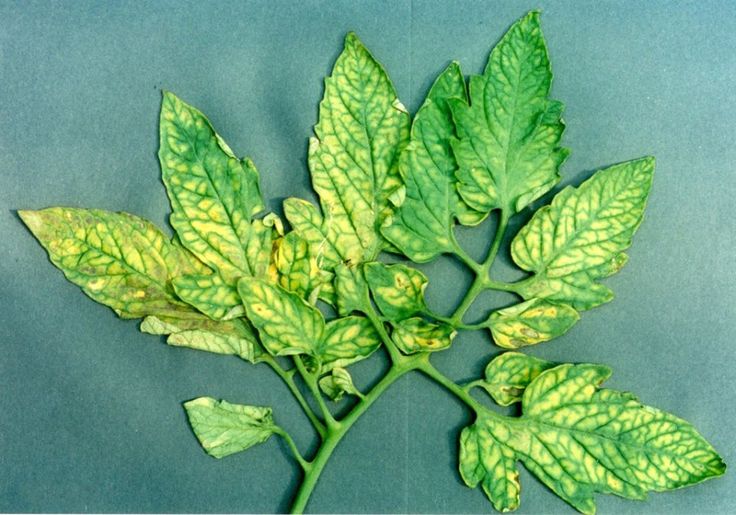
The most visible sign is a change observed in older or lower leaves, where the area between the bright-green veins becomes pale. Otherwise, the growth of the plant might stop, and some parts may die. These include tomatoes, apples, potatoes, raspberries, and rhododendrons.
Magnesium is an essential component of chlorophyll, which stimulates greenness and photosynthesis in plants. That is mainly why magnesium is crucial to plants for their health and growth.
If growing in soil, magnesium shortages are prevalent in sandy, light soils. Application of too much potassium—for instance, in tomato feed—may also result in such magnesium complications, as the plants are likely to take in potassium instead of magnesium. An excess of calcium also results in the same problem.
Whether it’s soil or hydroponics, if the pH is not right, magnesium may be unavailable to the plants.
7. Zinc (Zn) Deficiency:
What does it look like?
Similar to some other micronutrient shortages, a zinc deficiency usually affects the newest leaves of your plant. You might notice interveinal chlorosis, which means the leaves turn yellow , but the veins stay green.
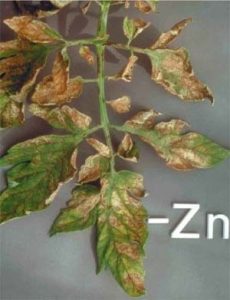
In addition, these leaves could develop brown or black spots and might appear smaller than usual, with a patchy or bronzed look.
Because the space between the leaf nodes shortens, new leaves may grow close together, forming a rosette shape.
Why does it happen?
Even though your plant only needs a little zinc, it plays a key role in keeping your plants healthy. It helps your plants make chlorophyll, enzymes, sugars, and proteins.
Zinc deficiencies are more likely in sandy soils or in growing mediums with a high pH (alkaline).
Also, too much phosphorus can make it hard for plants to use the zinc they need.

Leave a Reply