As far as the growing crops are concerned, it is critical to know what type of soil you are dealing with. Four primary kinds of soil commonly occur in agriculture. They both possess physical and chemical characteristics. Although the soils are more favorable to certain things, the application of the correct amendments to the soils can still be of great assistance to farmers.
Practicing good farming is not only the growth of crops but also the maintenance of healthy and strong soil.
The retention quality of the soil in nutrients and sustaining life has a close relationship with the quality of crops and the level of their growth. This also contributes immensely to the duration of land use in farming.
Industrial farming is causing the ill impacts of poor soil care in the farming communities across the globe.
The damage and erosion that have been constant have resulted in broken land becoming dry and unproductive dust bowls, which are difficult to utilize in crop production.
What is soil?
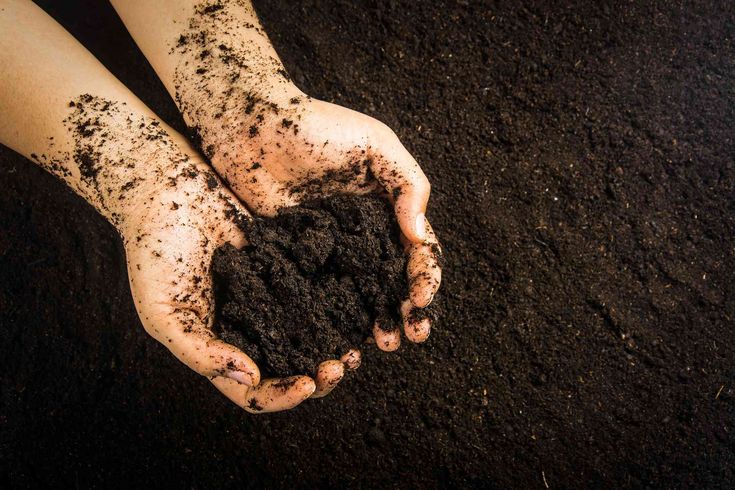
Soil is a component of the earth that is formed by weathering, as well as a deposit of organic matter.
It is an amalgamation of minerals, organic matter, water, air, and life. It is significant in aiding plants to grow by providing them with nutrients, water, and sustenance. Furthermore, it also assists in water flow in the land, sustaining the ecosystems, and aids in the flow of nutrients in the environment.
Soil is a conglomeration of organic components and minerals, which contains water, air, and minute living beings.
It is the sloppiest part of the surface of the earth, and where much is happening.
There are three important properties of healthy soil:
Chemical properties: These pertain to the chemical transformation of the soil, such as the nutrients that are contained in it, whether the soil is acidic or salty, etc.
Biological properties: These are the living items in the ground, such as small living organisms (worms, mites), and the organic materials they aid in their decomposition.
The activity of such organisms is also significant.
Physical properties: These are what you can feel, such as the texture, the structure of the soil, the amount of air and water in it, and the ease with which water can infiltrate the soil.
The combination of all these features creates rich and healthy soil that is abundant in minerals and capable of sustaining a great variety of life.
As an example, the soil contains plants and animals that generate organic matter that is decomposed using chemical processes. This is referred to as decomposition, and it replenishes nutrients and minerals in the land, which assist in the growth of new plants.
This is why compost is so popular among gardeners. Organic waste, such as food scraps and animal manure, is used to create compost, which is applied to the soil to make it rich and fertile to grow plants, crops, and vegetables.
Main Types of Soil:
1. Sandy Soil:
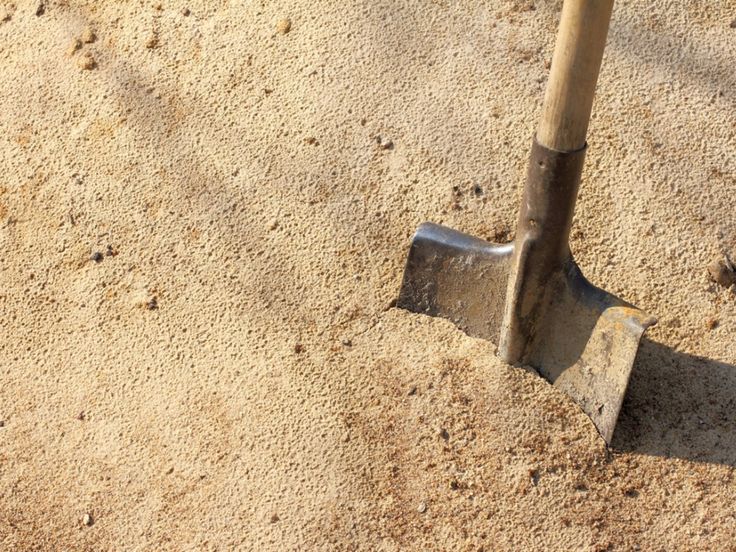
Sandy soil is loose-grained and composed of big particles. It is created when rocks, in particular quartz, are eroded over time due to weathering. Sandy soil allows water to pass through it very fast due to the size of the particles, and this will prevent the accumulation of water.
Nonetheless, such rapid drainage implies that sandy soil is not very suitable for plants that require excessive water. It also tends to lose nutrients fast. Root vegetables such as carrots and potatoes, herbs such as rosemary and lavender, and some drought-tolerant plants such as cacti are plants that grow well in sandy soil. The advantageous effect of the sandy soil is that it warms easily in spring, and this makes it suitable to plant early.
Sandy soil is not very likely to be eroded, and it is easy to dig and to work with, as the particles are large. However, due to the speed with which water flows through it, it is capable of transporting nutrients in the deeper segments. Further, the sandy soil is usually acidic, which may complicate the ability of plants to access the nutrients and water required.
Plants that can thrive well in sandy soil are collard greens, tomatoes, melons, squash, strawberries, sugar beets, lettuce, and peppers.
Other plants, such as maize, millet, and barley, can also grow with proper irrigation. Potatoes, parsnips, and carrots are root vegetables that are known to grow well in sandy soil. Tulips, tree mallow, sun roses, and hibiscus, for example, are also good shrubs and bulbs. Sandy soil is suitable for herbs like oregano, rosemary, and lavender, which are Mediterranean in climate.
Benefit:
The primary benefit of the sandy soil is that it has good drainage, and hence water flows through it freely. Its loose soil texture has made it easy to dig and also enables plants to establish easily, provided they are given adequate water and nutrients.
Drawback:
The only major drawback of sandy soil is that it drains too fast, and thus it dries easily. The soil may also get very dry without regular watering, particularly during summer. Moreover, since the sandy soil does not retain the nutrients effectively, the fertilizers applied can easily be washed off, leaving the plants without the nutrients to sustain them.
2. Clay Soil:
Clay soil is compact and heavy, a fact that assists it in retaining moisture, hence making it suitable for plants that require a lot of water. Clay soils are excellent for farming most crops as they are rich in nutrients. Nevertheless, clay soils are usually alkaline, thus rendering them incapable of giving plants all the nutrients that they require to grow healthy and yield a good harvest.
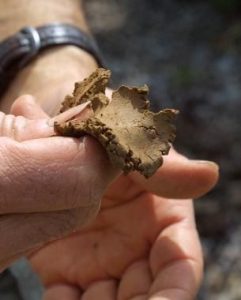
Clay soil is easily identifiable by its thick, sticky texture. It cracks into tiny crumbly bits when it is dry and peels off your shoes when wet. Clay particles tend to adsorb nutrients, yet due to their dense nature, they are difficult to push through by the roots of plants. Clay soil takes a long time to warm up, thus making it difficult to plant early in spring. The disadvantage of clay soil is that it is difficult to work with. During the winter, it may stick and get wet, and in the summer, it becomes hard and solid masses.
Some crops thrive in clay soil:
Some of them include broccoli
Cauliflower
Kale
Peas
Potatoes
Cabbage
Brussels sprouts.
– Leafy greens and fruit trees—perennials, ornamental plants, flowering quince, Helen flower, and aster shrubs.
The advantages of clay soil are as follows: –
– It is drought-resistant as it retains moisture, which provides plants with water during the dry season.
– It is very nutrient-rich, since the particles of clay cause minerals, such as calcium, magnesium, and potassium, to be drawn and trapped, which are needed by plants.
– It is also suitable for the production of vegetables because of these minerals.
– Some plants also grow well in clay soil, particularly those that prefer excessive moisture and nutrients.
Nevertheless, clay soil has certain disadvantages:
– It is not aerated well, as the thick structure does not allow a lot of air to penetrate to the roots, which are essential to the healthy growth of plants.
– It gets compacted during dry periods, thus making the roots unable to grow properly.
– It does not drain well, and as a result, water in the soil is retained too long, resulting in root rot and other related issues.
3. Silty Soil:
Silty soil is a kind of soil that is sandy and clayey in nature. It is soft and smooth, and due to its fine texture, the amount of water it can contain is more than sand. This renders it highly productive and nutritious, which is favorable for growing plants.
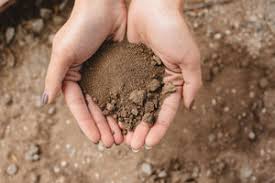
Most plants thrive in silty soil when the soil has the proper drainage. It can be easy to work with, but in some cases, you may have to add something to assist in drainage to achieve the optimal results. Silty soil is soft and easy to excavate when it is wet. However, it may dry up and become hard and compact, thus making it difficult to till. Silty soil does not pack down as easily as clay, but it is not that strong. This is enhanced by planting perennial crops whose roots assist in keeping the soil together.
Silty soil is good for plants that prefer humid and fertile soils, like perennial bushes and trees. Most vegetables, climbing plants, perennials, grasses, shrubs, and trees, such as willow, birch, and dogwood, are some of the examples of crops that can be grown on silty soil.
The advantages of silty soil are that it is fertile, it retains nutrients better than sandy soil, and it is also easy to work with, unlike clay.
But it has certain disadvantages, including a lack of water drainage, a tendency to crust, and the risk of becoming compact and hard.
4. Chalky Soil:
Usually light and simple to work in any season, the chalky ground is. It usually has stony fragments mixed in, though. The good news is that chalky soil drains well; therefore, you need not be concerned about water remaining too long. Still, the soil may dry out fast owing to this rapid drainage, particularly in warm conditions. Chalky soil is well-known for its calcium carbonate content. It has a dry, gritty feel when touched; its light hue—typically white or pale gray—helps it to stand alone from other kinds of soil. The way chalky soil responds to acids is one main indication.
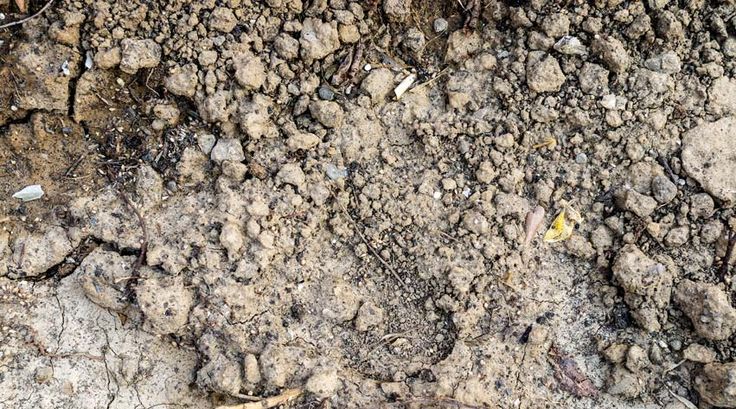
Chalky soil’s problem is that it’s too alkaline and lacks some crucial minerals like iron and manganese. Plants grown in chalky soil may turn yellow and have stunted growth. You need to apply the suitable kind of fertilizer to balance the pH if you want to raise crops. Chalky soil, which is strongly alkaline, sits at the opposite extreme of the pH spectrum. This is so because it is primarily composed of lime or calcium carbonate from chalk or limestone underneath the ground.
Chalky soil usually has fewer stones and is shallow; hence, water passes swiftly through it. This increases the chance of the soil drying out. Because of its alkaline character and makeup, chalky soil is often not very nutritious and is less fertile and more difficult to deal with.
Among the crops that flourish in chalky soil are: –
Vegetables including:
Spinach
Beets
Cabbage
Sweet corn
Flowers like wallflowers, mock oranges, California poppies, Madonna lilies, weigela, and lilac; rising plants include clematis, grape vines, ivy, jasmine, lonicera, akebia, and Virginia creeper; and shrubs and trees.
Advantages of Chalk Soils
1. Fertility:
Although chalk soils lack organic matter, they are naturally abundant in vital minerals like magnesium and calcium. These elements promote plant development and make the soil rich.
2. Good drainage:
Chalk soil’s rough texture and ease of water movement make it drain well. This implies it’s less prone to waterlogging, which would be beneficial for places with high rainfall or where water could collect.
3. Soil with higher temperatures:
In spring, chalk soils heat up quicker than heavier ones like clay. This might enable plants to begin earlier and develop more quickly.
4. Smaller erosion:
The strong structure of chalk soils aids in preventing their washout by heavy rain or wind. This keeps nutrients in the original location and helps to preserve the topsoil.
5. Less prone to solidifying and packing down, chalk soils are simpler to work with and more suited for plant growth.
6. Alkaline pH:
Although some plants find chalk soil’s high pH to be a difficulty, it’s perfect for raising plants that prefer alkaline conditions like lavender, rosemary, and some decorative shrubs. Moreover, it shields the soil against particular illnesses that impact acidic soils.
5. Peaty Soil:
Because the peat structure is light and not difficult to press down, it quickly warms up and holds water well. It also allows air to move through it, which helps plant roots breathe. Good for starting seeds, peat soil has fewer dangerous bacteria than other soils. Peat, on the other hand, is acidic, so it can make it more difficult for plants to get the nutrients they need; thus, you will have to use fertilizer to promote their development. Peat creates a more acidic environment that must be balanced with lime or other compounds for most crops to flourish; hence, it is the antithesis of chalky soil.
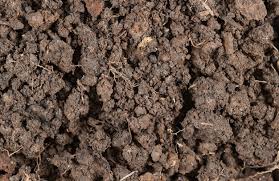
Like a sponge, peat soils are light and airy, with a springy texture that can absorb a significant amount of water.
The highest soil layer, comprising partly decayed plant matter accumulated in waterlogged, low-oxygen, acidic, and nutrient-poor surroundings, is peat. The poor drainage of peat soils is one of their main drawbacks. But you can combine them with lime or chalky soils (and vice versa) to improve drainage and balance pH.
One of peat soil’s major negatives is that it cannot be easily replaced. Shrinking peatlands release greenhouse gases into the atmosphere, hence speeding up climate change.
Crops appropriate for peat soil include: –
Brassicas, like broccoli and cabbage; legumes; salad leaves; root crops; blueberries and other berries that like acidic ground; and shrubs like heather, witch hazel, rhododendrons, and lantern trees.
Advantages of peat soil comprise:
– It retains water quite well; hence, you should not water plants as often.
– It has organic matter that feeds plants with some nutrients.
– Usually, there are few dangerous bacteria or pathogens in it.
Peat soil presents certain obstacles:
– It can be too damp, which causes root rot and inefficient drainage.
– Its strong acidity restricts the types of plants that may be grown.

Leave a Reply